
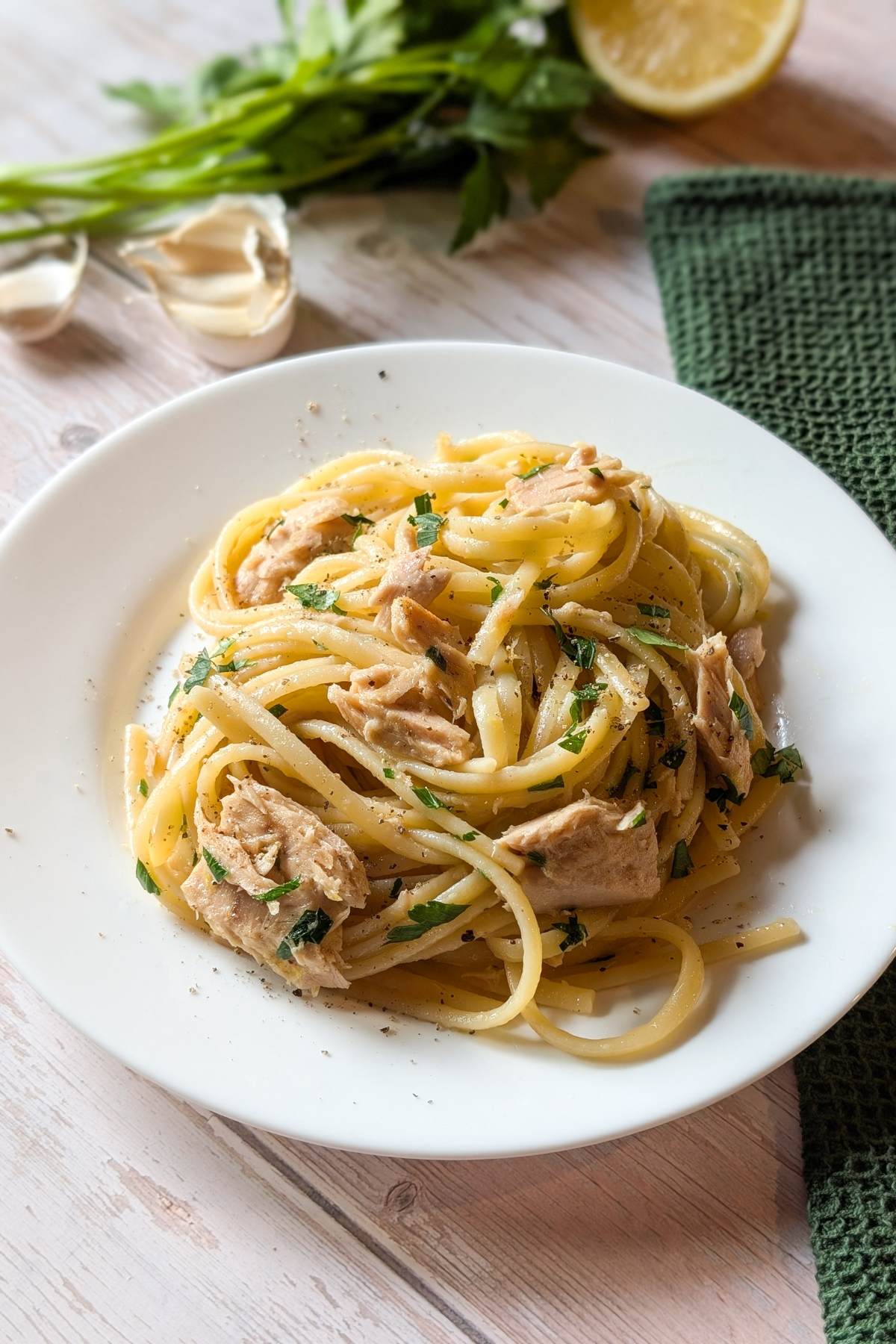
Linguine with Tuna and Lemon is a quick and easy Italian pasta recipe, perfect when you want something fresh, flavorful, and ready in very little time.
This simple pasta with tuna and lemon is made with a few basic ingredients: tuna in oil, fresh lemon zest and juice, garlic, extra virgin olive oil, parsley, and black pepper. The result is a light but tasty pasta dish, with the savory flavor of tuna balanced by the bright and fragrant aroma of lemon.
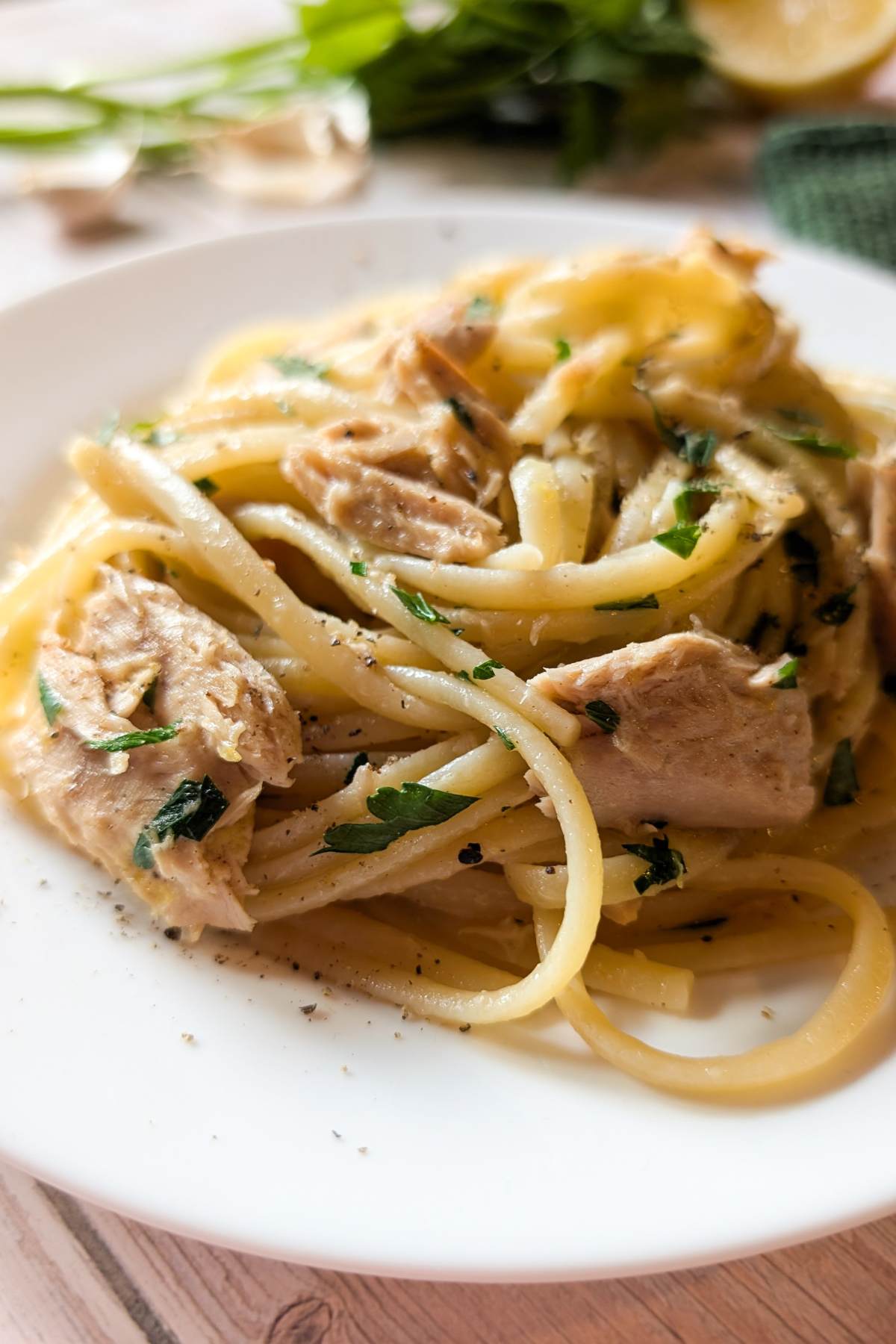
In Italy, canned tuna is often used to make quick pasta recipes, especially when there is little time to cook but you still want a satisfying homemade meal. In this recipe, the tuna is gently warmed with garlic and olive oil, then combined with lemon zest and a little pasta cooking water to create a simple, creamy sauce without cream or butter.
The secret is to finish cooking the linguine directly in the skillet. This helps the pasta release its starch and bind with the tuna, lemon juice, and olive oil, creating a smooth and flavorful coating.
This lemon pasta with tuna is ideal for a weeknight dinner, a summer lunch, or any time you need a quick pantry recipe with an Italian touch. Serve it immediately, with fresh parsley, extra lemon zest, and freshly ground black pepper.
Jump to:
Ingredients
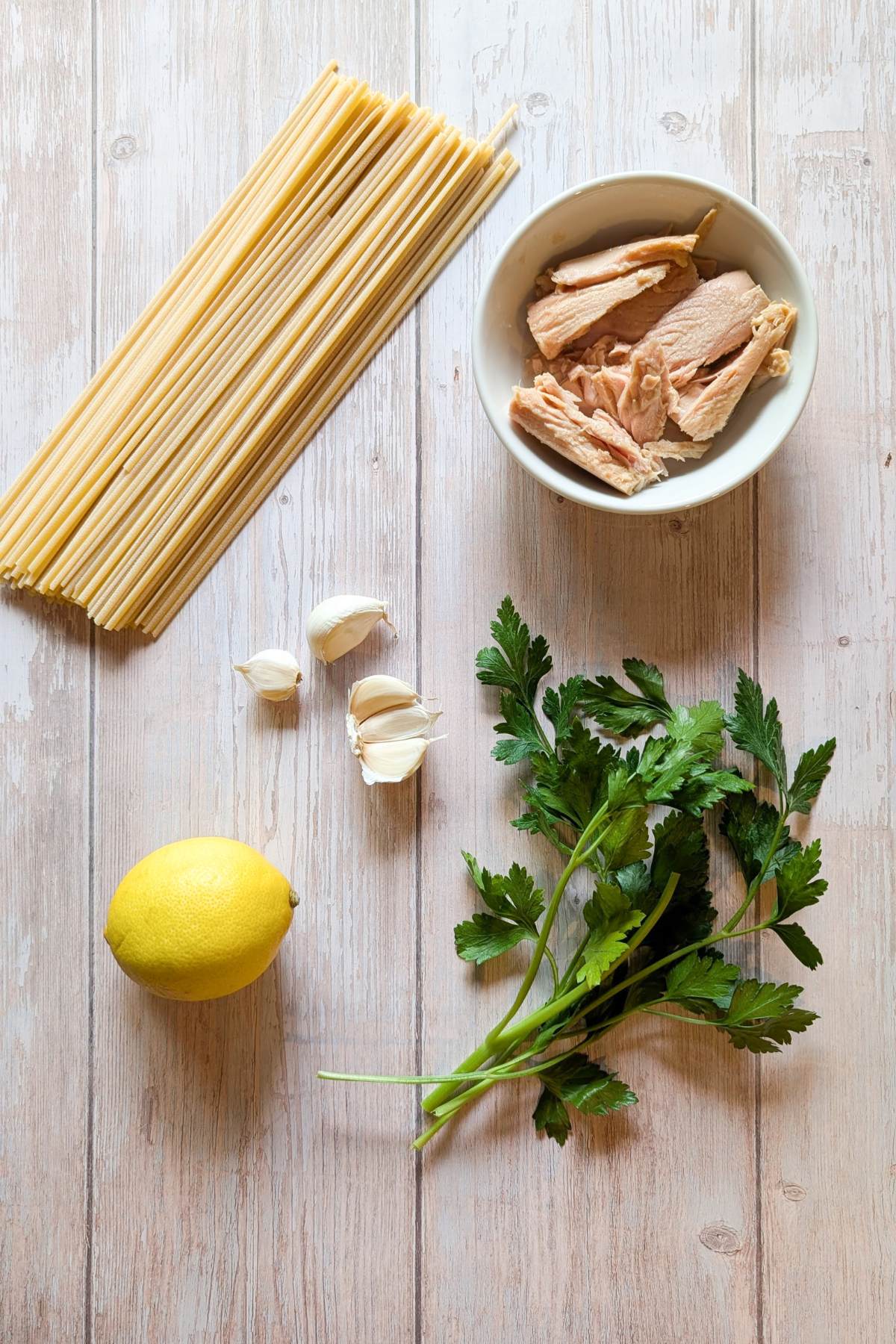
Prep Time: 10 Min | Cook Time: 10 Min | Servings: 4
- 350 g (12 oz) linguine
- 160 g (about 6 oz) tuna in oil, drained
- Grated zest of 1 whole organic lemon
- Juice of ½ lemon
- 4 tablespoons extra virgin olive oil
- 1 garlic clove
- Fresh parsley, to taste
- Salt, to taste
- Freshly ground black pepper, to taste
How to Make Pasta with Tuna and Lemon
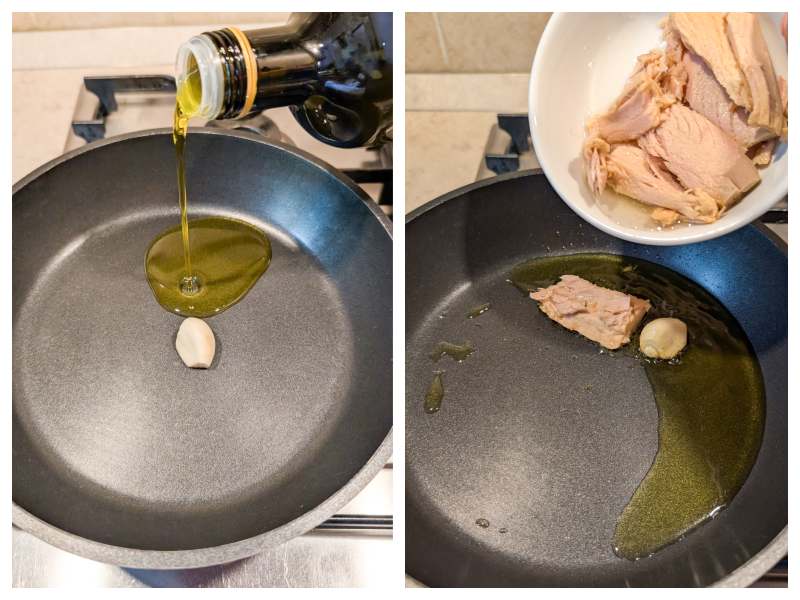
Step 1) - To make creamy and flavorful linguine with tuna and lemon, start by preparing the sauce.
Peel the garlic clove. You can leave it whole, so it will be easy to remove later, or finely chop it if you prefer a stronger garlic flavor.
Pour the extra virgin olive oil into a large skillet and add the garlic. Sauté over low heat for 1 to 2 minutes, until the garlic is lightly golden. Be careful not to burn it.
Drain the tuna well from its oil and add it to the skillet.
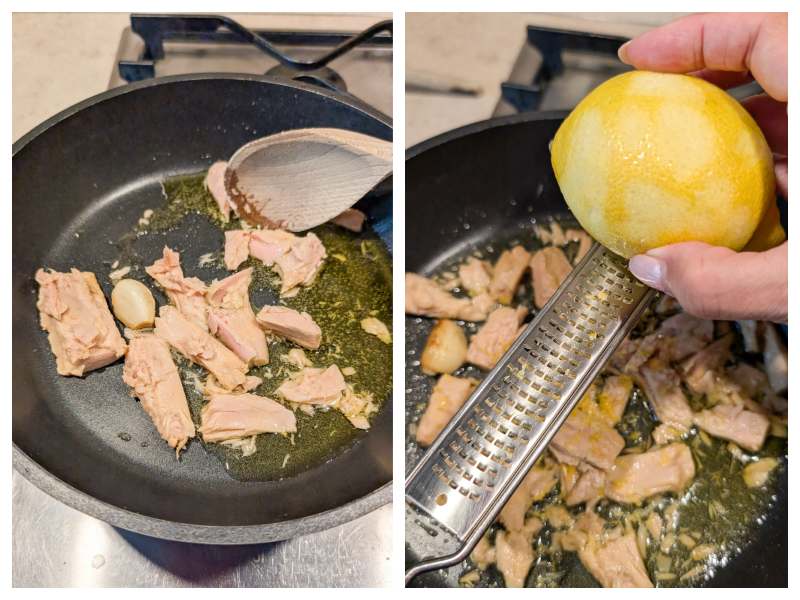
Step 2) - Break the tuna into pieces with a wooden spoon and let it flavor for a couple of minutes over medium-low heat. It should not cook for too long; it only needs to warm up and absorb the flavor of the garlic and oil.
Wash the lemon well. Grate the zest directly into the skillet with the tuna, using only the yellow part and avoiding the bitter white pith.
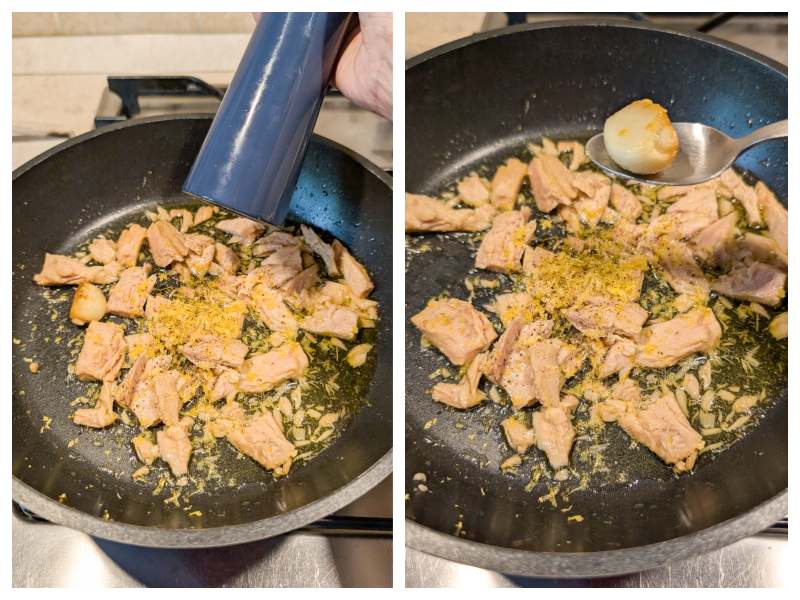
Step 3) - Add some freshly ground black pepper. Stir, then turn off the heat. If you left the garlic clove whole, remove it at this point.
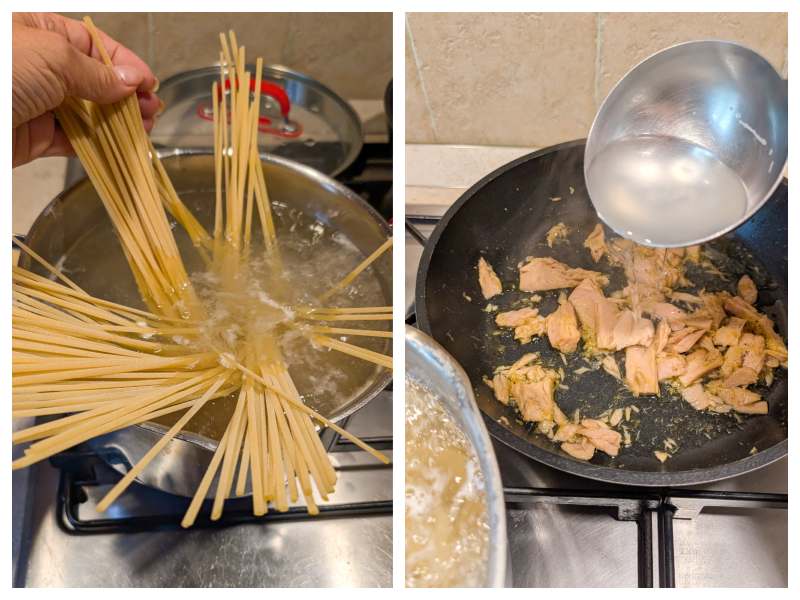
Step 4) - Cook the pasta. Bring a large pot of water to a boil. When the water is boiling, add salt, then add the linguine.
Cook the pasta according to the package instructions, but drain it about 2 minutes before the end of the cooking time.
Just before draining the pasta, reserve a ladleful of the pasta cooking water and add it to the skillet with the tuna and lemon sauce.
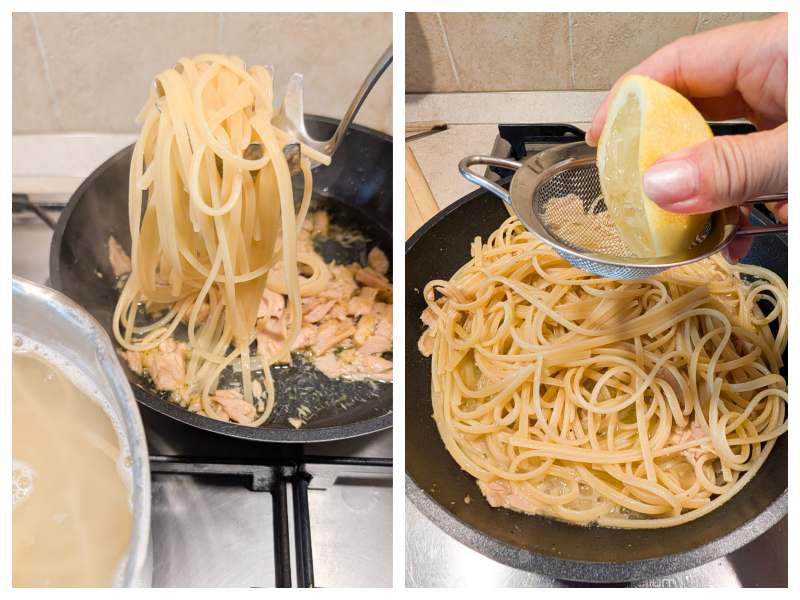
Step 5) - Drain the linguine and transfer them directly to the skillet with the tuna and lemon sauce.
Turn the heat back on to medium-high. Add the strained juice of half a lemon.
Toss and stir the pasta vigorously for the remaining cooking time. The linguine should finish cooking in the skillet with the starchy pasta water and lemon juice, creating a light and creamy sauce.
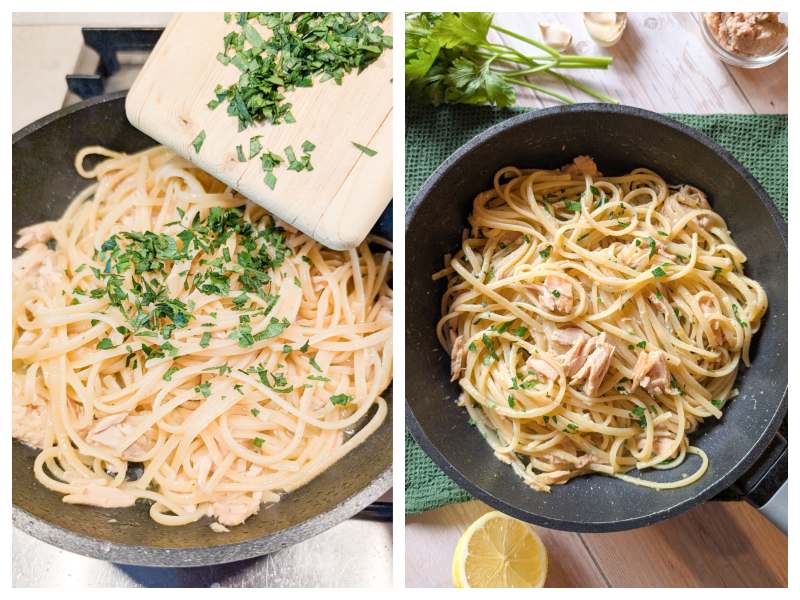
Step 6) - Turn off the heat. Finely chop the fresh parsley and add it to the skillet.
Toss everything one last time. Taste and adjust with salt if necessary, keeping in mind that both the tuna and the pasta cooking water are already salty.
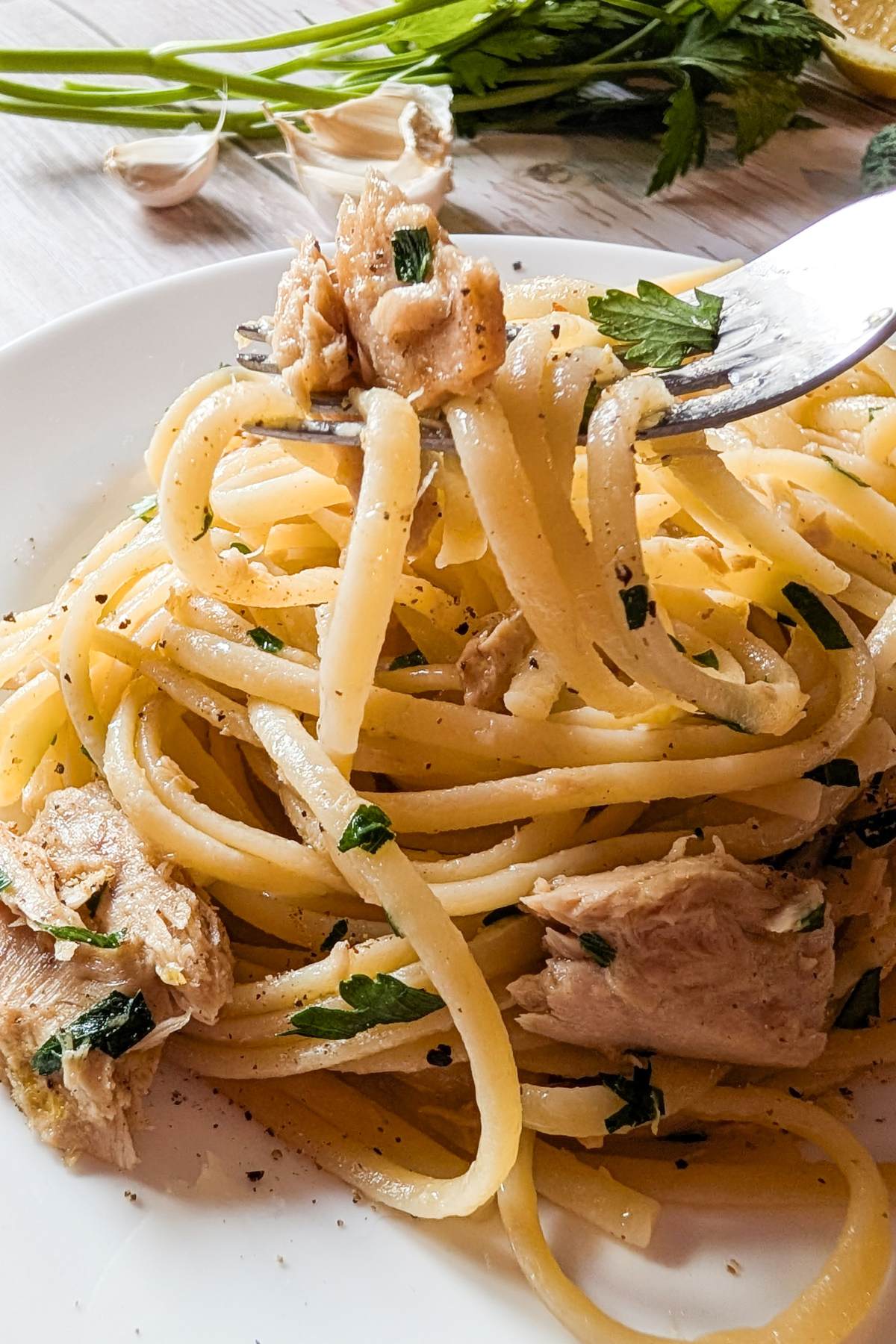
Serve the linguine with tuna and lemon immediately, while hot. Finish each plate with a little more grated lemon zest and freshly ground black pepper, if you like.
Tips for the Best Pasta with Tuna and Lemon
Use good quality tuna. Since tuna is one of the main ingredients in this recipe, its quality makes a big difference. Choose tuna in olive oil, preferably packed in glass jars and in large pieces. It has a better texture and a richer flavor than finely shredded canned tuna.
Adjust the lemon to your taste. Lemon is the key flavor in this dish, but you can make it more or less intense depending on your preference. Use the zest of a whole lemon for aroma, then add the juice gradually. If you like a more tangy flavor, add a little more lemon juice at the end, just before serving.
Choose the right pasta. I used linguine, which are perfect because they hold the tuna and lemon sauce very well. However, other types of dry pasta also work, especially long pasta such as spaghetti, trenette or bavette. For the best result, use high-quality bronze-cut pasta. Its rough surface helps absorb the sauce and gives the dish a better texture.
Do not overcook the tuna. Tuna in oil is already cooked, so it only needs to be warmed gently with the garlic and olive oil. If cooked for too long, it can become dry and lose its delicate flavor.
Save some pasta cooking water. This is essential for creating a light and creamy sauce without adding cream or butter. The starch in the pasta water helps bind the olive oil, lemon juice, and tuna together.
Finish the pasta in the skillet. Drain the linguine a couple of minutes before they are fully cooked and finish cooking them in the pan with the sauce. This step helps the pasta absorb all the flavors and creates a smooth, well-balanced result.
Serve immediately. This pasta is best enjoyed right away, while hot and creamy. Once cooled, the sauce tends to dry out and the lemon flavor becomes less vibrant.
Variations
With capers. For a more savory and Mediterranean flavor, you can add some desalted capers to the tuna and lemon sauce. Rinse them well under running water, then add them to the skillet together with the tuna. Their salty and slightly tangy taste goes very well with the freshness of the lemon.
With olives. Another delicious variation is to add sliced black or green olives. They make the sauce richer and more flavorful without changing the simplicity of the recipe. Black olives give a deeper, more intense taste, while green olives add a fresher and slightly sharper note.
With bottarga. For a more refined version, finish the dish with a little grated bottarga just before serving. Add it off the heat, directly on the plate, so it keeps its aroma. Bottarga pairs beautifully with tuna and lemon and gives the pasta a more elegant seafood flavor.
For extra creaminess. This pasta is naturally creamy thanks to the starchy pasta cooking water and the final tossing in the skillet. However, if you want an even creamier result, you can add a very small knob of cold butter at the end, off the heat, and stir until melted. Alternatively, add one tablespoon of fresh ricotta to the tuna sauce and loosen it with a little pasta cooking water before adding the linguine.
How to Store Linguine with Tuna and Lemon
Linguine with tuna and lemon are best eaten immediately, while hot and creamy. Like many simple pasta dishes made with olive oil and pasta cooking water, the sauce tends to dry out as it cools.
If you have leftovers, store them in an airtight container in the refrigerator for up to 1 day.
To reheat, place the pasta in a skillet with a drizzle of extra virgin olive oil and a splash of water. Warm it gently over low heat, stirring until the pasta becomes softer and more moist again. Avoid overheating it, as the tuna may become dry and the lemon flavor may turn slightly bitter.
Freezing is not recommended. The texture of the pasta and tuna would not be the same after thawing, and the fresh lemon aroma would be lost.
More Italian Pasta Recipes with Tuna or Lemon
If you enjoyed this linguine with tuna and lemon, here are more Italian pasta recipes to try. Some are made with tuna, others with fresh lemon flavor, but all are simple, tasty, and perfect for everyday cooking.
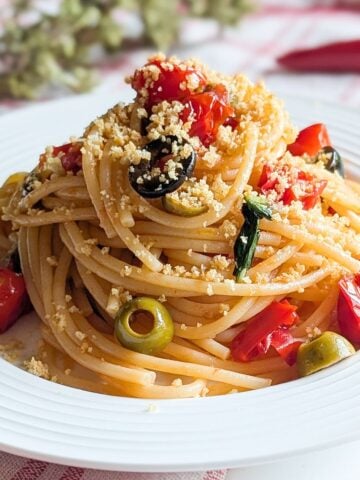
- Pasta with Tuna and Tomato Sauce
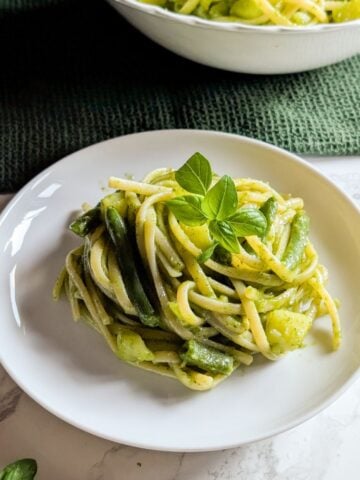
- Tuna Pasta Salad with Green Beans
- Lemon Spaghetti
- Lemon Ricotta Pasta
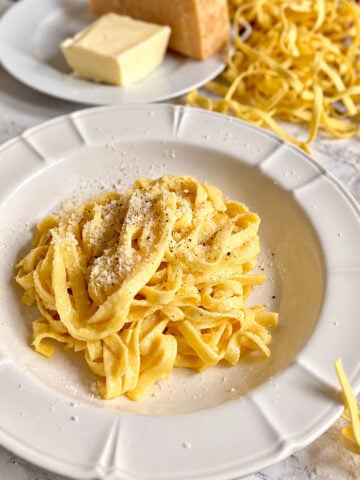
- Spaghetti with Butter, Anchovies and Lemon
Recipe Card
Linguine with Tuna and Lemon

Ingredients
- 350 g linguine pasta - 12 oz
- 160 g tuna in oil - about 6 oz, drained
- 1 organic lemon zest
- ½ lemon juice
- 4 tablespoons extra virgin olive oil
- 1 clove garlic
- fresh parsley - to taste
- salt - to taste
- freshly ground black pepper - to taste
Instructions
- To make creamy and flavorful linguine with tuna and lemon, start by preparing the sauce. Peel the garlic clove. You can leave it whole, so it will be easy to remove later, or finely chop it if you prefer a stronger garlic flavor.
- Pour the extra virgin olive oil into a large skillet and add the garlic. Sauté over low heat for 1 to 2 minutes, until the garlic is lightly golden. Be careful not to burn it.
- Drain the tuna well from its oil and add it to the skillet.
- Break the tuna into pieces with a wooden spoon and let it flavor for a couple of minutes over medium-low heat. It should not cook for too long; it only needs to warm up and absorb the flavor of the garlic and oil.
- Wash the lemon well. Grate the zest directly into the skillet with the tuna, using only the yellow part and avoiding the bitter white pith.
- Add some freshly ground black pepper. Stir, then turn off the heat. If you left the garlic clove whole, remove it at this point.
- Bring a large pot of water to a boil. When the water is boiling, add salt, then add the linguine. Cook the pasta according to the package instructions, but drain it about 2 minutes before the end of the cooking time.
- Just before draining the pasta, reserve a ladleful of the pasta cooking water and add it to the skillet with the tuna and lemon sauce.
- Drain the linguine and transfer them directly to the skillet with the tuna and lemon sauce.
- Turn the heat back on to medium-high. Add the strained juice of half a lemon.
- Toss and stir the pasta vigorously for the remaining cooking time. The linguine should finish cooking in the skillet with the starchy pasta water and lemon juice, creating a light and creamy sauce.
- Turn off the heat. Finely chop the fresh parsley and add it to the skillet.
- Toss everything one last time. Taste and adjust with salt if necessary, keeping in mind that both the tuna and the pasta cooking water are already salty.
- Serve the linguine with tuna and lemon immediately, while hot. Finish each plate with a little more grated lemon zest and freshly ground black pepper, if you like.
Leave a Reply