
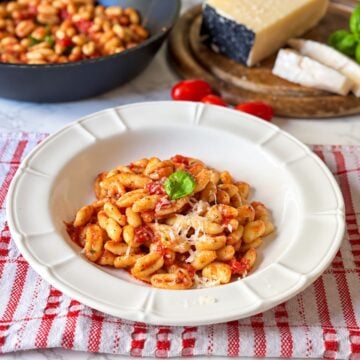
Cavatelli al Sugo Vedovo is a traditional Italian pasta dish from Molise, particularly associated with Montenero di Bisaccia, a small town in the province of Campobasso.
This rustic recipe combines cavatelli pasta with a flavorful tomato sauce made with Italian lardo, garlic, parsley and extra virgin olive oil, finished with fresh basil and grated pecorino cheese.
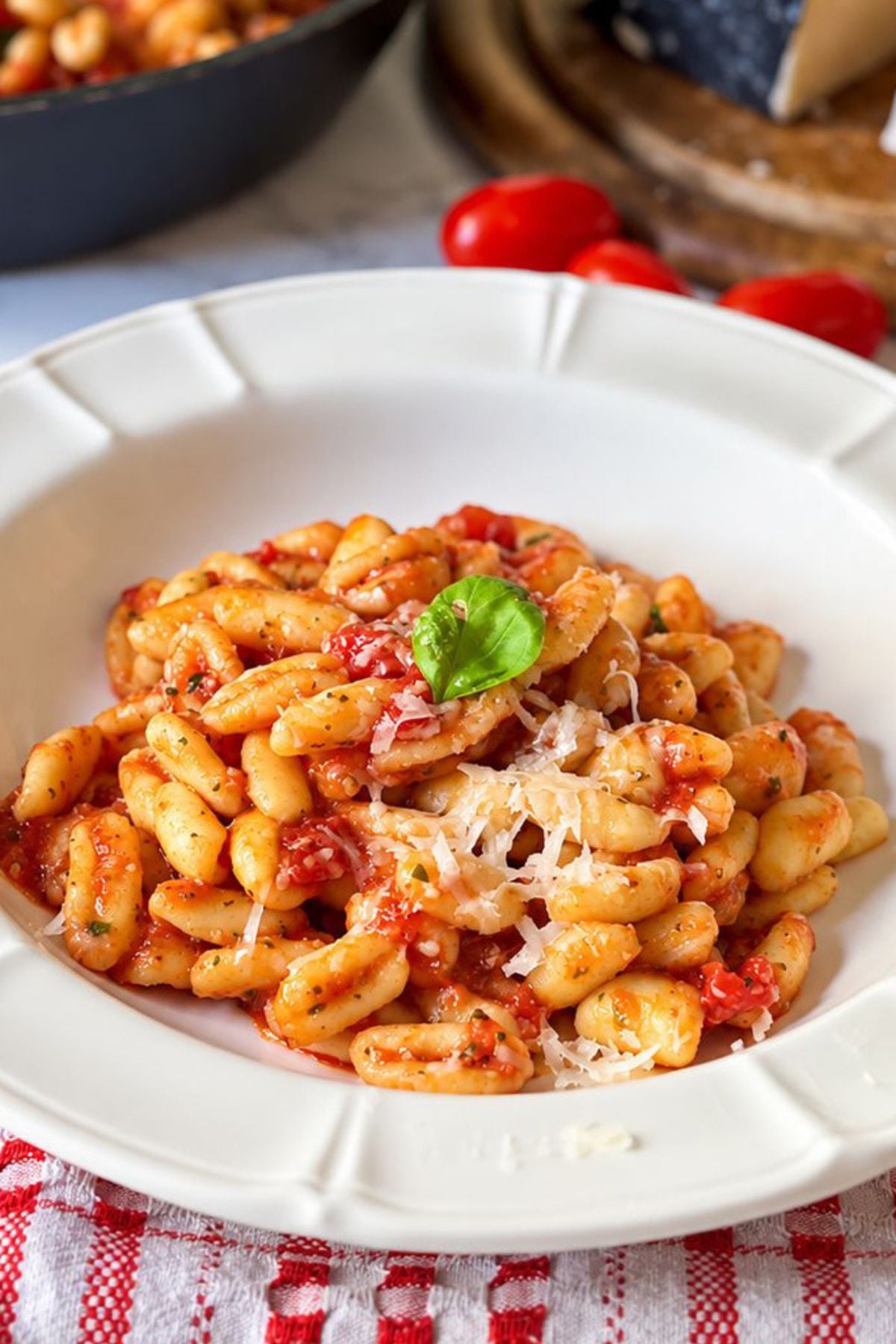
But why is it called sugo vedovo? In Italian, vedovo means "widower," and the name refers to a sauce that is "missing" the meat traditionally found in richer ragù recipes. In the humble kitchens of rural Molise, families often relied on lardo instead of more expensive cuts of meat to give their dishes flavor and richness. The result is a simple yet deeply flavorful sauce that reflects the resourcefulness of traditional Italian peasant cooking.
For this recipe, I used fresh cavatelli, but dried cavatelli work just as well. Ready in about 35 minutes, this comforting pasta dish is perfect for a family lunch or a casual dinner with friends.
Jump to:
What Is Sugo Vedovo?
In traditional Molise cooking, cavatelli were often served with rich ragù made with pork ribs, sausage, or other cuts of meat, especially for Sunday lunches and special occasions.
For less wealthy farming families, however, meat was not always affordable. Instead, they prepared a simpler, more economical sauce using battuto di lardo, a finely chopped mixture of Italian cured pork fat, garlic, and parsley, cooked with tomatoes.
As the lardo slowly melted, it released its rich, savory flavor into the sauce, creating a delicious condiment without the need for expensive cuts of meat.
The Italian word vedovo means "widower," so sugo vedovo literally translates to "widower's sauce." The name refers to a sauce that is "missing" the meat traditionally found in richer ragù recipes. However, despite its name, this is not a vegetarian sauce, as lardo is an essential ingredient.
This traditional preparation is a wonderful example of cucina povera, the Italian peasant cooking tradition in which simple, inexpensive ingredients were transformed into satisfying, flavorful dishes.
Ingredients
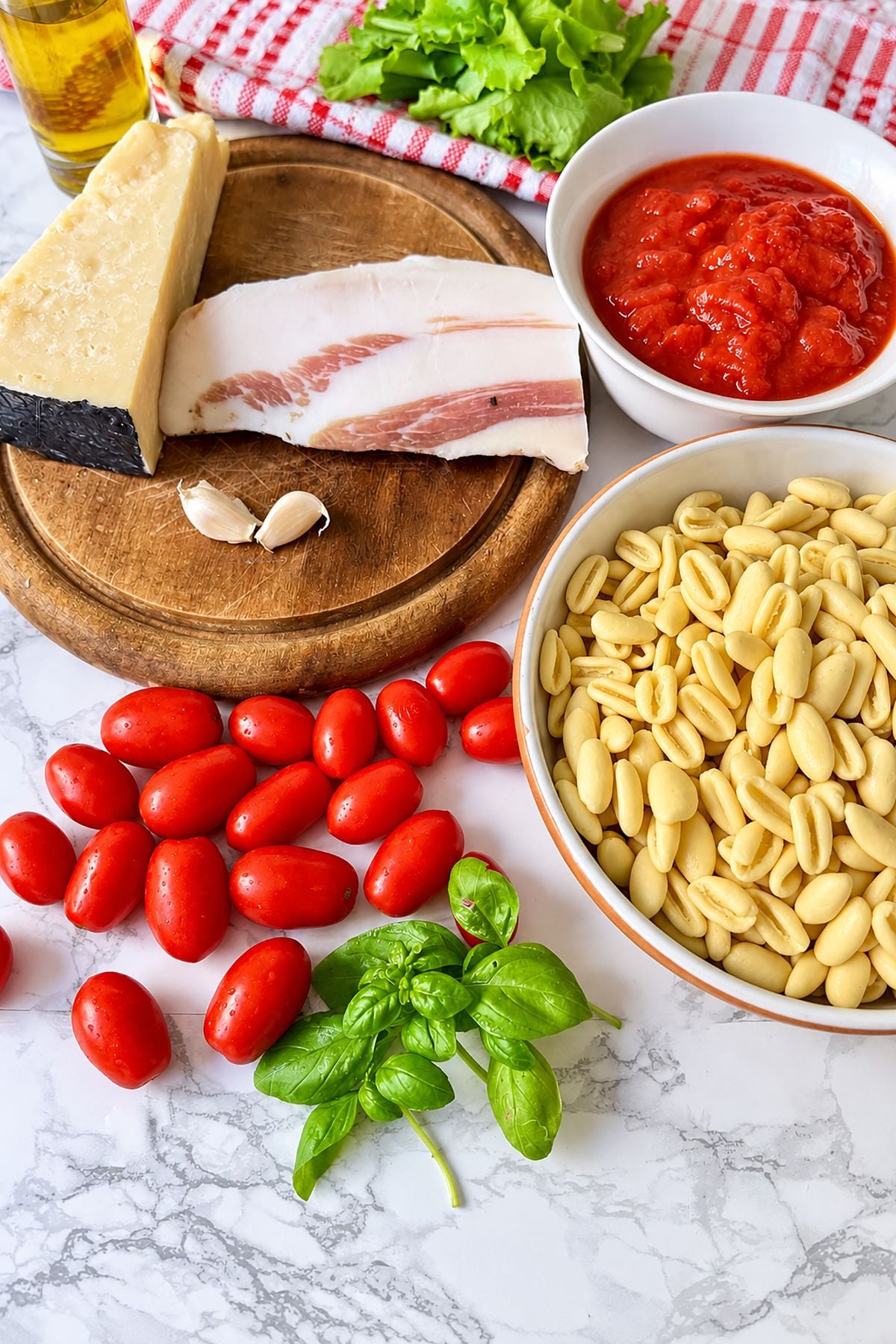
Prep Time: 15 Min | Cook Time: 20 Min | Servings: 4
- 400 g (14 oz) fresh cavatelli - You can use store-bought cavatelli for this recipe. However, if you prefer to make your pasta from scratch, follow our easy homemade cavatelli recipe.
- 400 g (14 oz) canned whole peeled tomatoes, crushed
- 100 g (3.5 oz) Italian lardo (cured pork fat)
- 1 garlic clove
- 1 sprig fresh parsley
- 3 tablespoons extra virgin olive oil
- 4–5 fresh basil leaves
- 50 g (1.8 oz) grated Pecorino Romano cheese
- Fine salt, to taste
- Freshly ground black pepper, to taste
A Note on Cooking Times: You can make this recipe with either fresh or dried cavatelli. Fresh cavatelli, whether homemade or store-bought, generally cook in about 4–6 minutes, while dried cavatelli usually take 12–15 minutes. Always check the package instructions and taste the pasta before draining. For more helpful advice, check out our guide on how to cook fresh pasta. If you're making homemade cavatelli, remember to allow extra time for preparing and shaping the dough.
How to Make cavatelli al sugo vedovo
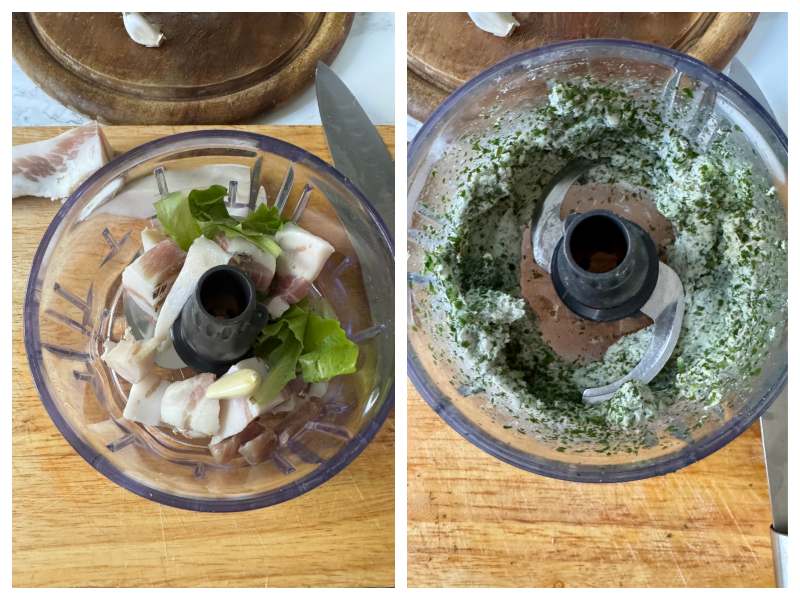
Step 1) - Start by preparing the lardo-based soffritto.
On a cutting board, use a sharp knife to finely chop the Italian lardo, garlic, and parsley together. Alternatively, you can use a food processor, pulsing briefly until finely chopped.
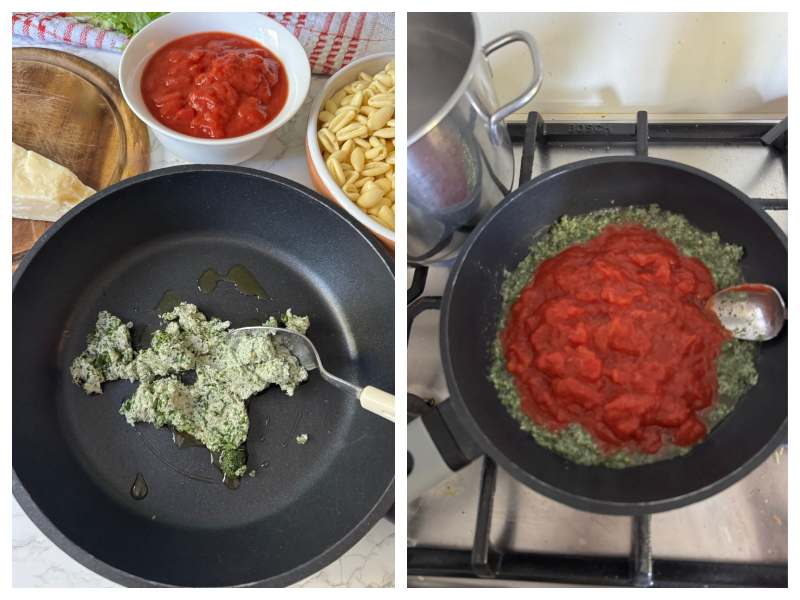
Step 2) - Heat 3 tablespoons of extra virgin olive oil in a large skillet over medium heat.
Add the chopped lardo, garlic, and parsley. Sauté for about 2 minutes, stirring occasionally, until the lardo begins to melt and the garlic becomes fragrant.
Add the crushed peeled tomatoes and season with a little salt and freshly ground black pepper.
Stir well and cook over medium heat for 15–20 minutes, stirring occasionally, until the sauce thickens slightly.
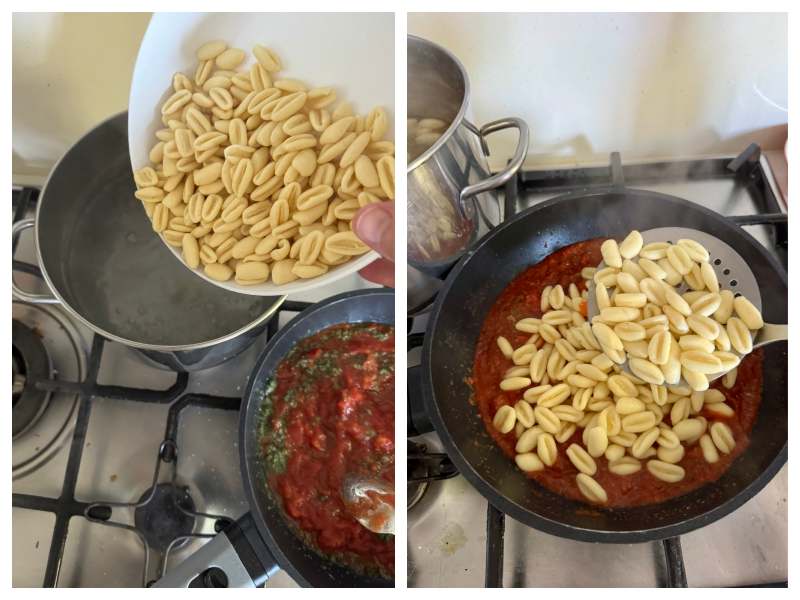
Step 3) - Meanwhile, bring a large pot of salted water to a boil. Add the cavatelli and cook until al dente. Fresh cavatelli generally cook in about 4–6 minutes, while dried cavatelli usually take 12–15 minutes.
Before draining, reserve a little pasta cooking water. Transfer the drained cavatelli directly to the skillet with the sauce and toss gently to coat. If necessary, add a splash of the reserved pasta water to loosen the sauce.
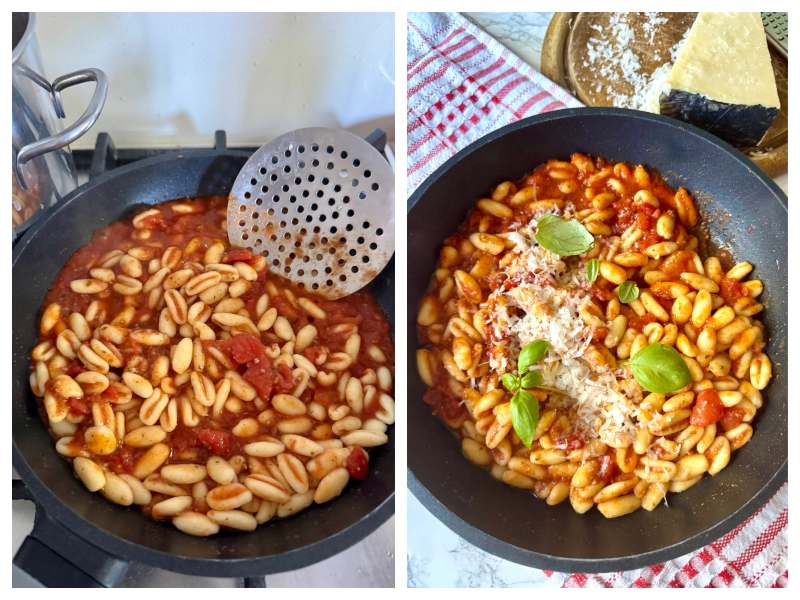
Step 4) - Turn off the heat. Add most of the grated Pecorino Romano and a few fresh basil leaves, torn by hand.
Toss everything together until the cheese is well incorporated and the cavatelli are evenly coated with the sauce.
Serve the Cavatelli al Sugo Vedovo immediately, garnished with the remaining grated Pecorino Romano and a few fresh basil leaves.
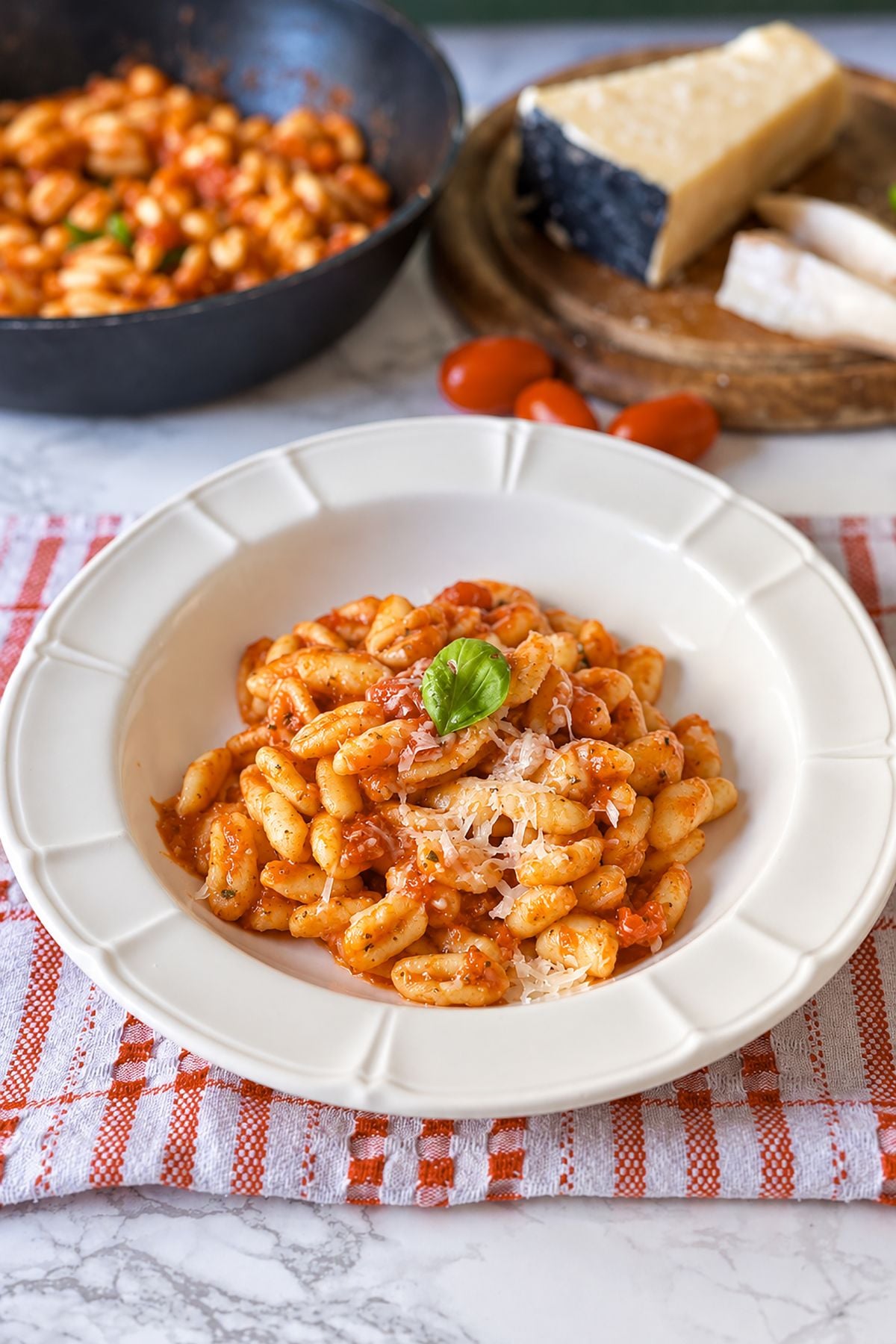
Italian Lardo: The Star of Cavatelli al Sugo Vedovo
Without Italian lardo, Cavatelli al Sugo Vedovo would be a simple pasta dish with tomato sauce. It's the lardo that makes this traditional Molise recipe so special, giving the sauce its distinctive rich, savory flavor.
But what exactly is Italian lardo?
Lardo is a traditional Italian cured pork fat, usually obtained from the back or shoulder of the pig. It's preserved with salt, often flavored with herbs and spices, and left to cure until it develops a delicate, distinctive taste.
Unlike the lard, which is rendered pork fat commonly used for cooking and frying, Italian lardo is cured and can be eaten as it is, without further cooking.
For centuries, preserving pork fat with salt was an important part of Italian rural food traditions, allowing families to make use of this valuable source of energy long after the pig had been butchered.
Today, Italian lardo is considered a delicacy, especially when sliced paper-thin and served on warm toasted bread. It can also be finely chopped and gently cooked with garlic and herbs to create a flavorful base for traditional sauces, just as we do in this recipe.
Tips for the Best Cavatelli al Sugo Vedovo
- Finely chop the lardo. For the best results, chop the lardo, garlic, and parsley as finely as possible. A sharp knife works perfectly, but you can also use a food processor. If using a processor, pulse briefly rather than blending everything into a smooth paste.
- Cook the soffritto gently. Avoid using high heat when cooking the lardo, garlic, and parsley. The lardo should gradually release its fat, while the garlic becomes fragrant without browning or burning.
- Don't let the tomato sauce get too thick. Sugo vedovo should be rich and flavorful but still moist enough to coat the cavatelli. If the sauce reduces too much, add a splash of water to loosen it.
- Be careful with the salt. Italian lardo is already cured with salt, and Pecorino Romano is naturally salty. Taste the sauce before adding more salt, and remember that the cheese will add extra flavor at the end.
- Add the pecorino and basil at the end. Turn off the heat before adding the grated pecorino, so it blends gently with the hot pasta. Add the fresh basil just before serving to preserve its wonderful aroma.
Variations and Substitutions
- Substitutes for Italian Lardo: If you can't find Italian lardo, you can use guanciale (cured pork jowl) or unsmoked pancetta instead. Both add richness and savory flavor to the tomato sauce, although the result will be slightly different from the traditional recipe. Use about 100 g (3.5 oz), finely chopped, and cook gently with the garlic and parsley to release the fat. Since both ingredients are already salted, taste the sauce before adding more salt.
- Fresh Tomatoes: When tomatoes are in season, you can replace the canned peeled tomatoes with about 500 g (1.1 lb) of fresh, ripe tomatoes. Peel them, chop them into small pieces, and add them to the soffritto. You may need to cook the sauce a little longer to allow the excess liquid to evaporate.
- Tomato Passata: If you prefer a smoother, more velvety sauce, use about 400 g (14 oz) of Italian tomato passata instead of crushed peeled tomatoes. The result will be less rustic but just as flavorful.
- Different Types of Pecorino: Although I used Pecorino Romano, you can choose another aged pecorino cheese. A traditional aged pecorino from Molise would be a particularly good choice if you can find it. The important thing is to use a flavorful sheep's milk cheese that complements the richness of the lardo.
- A Spicy Touch: For a slightly spicier version, add a pinch of crushed red pepper flakes to the soffritto. This isn't part of the traditional preparation, but it pairs nicely with the tomato sauce and lardo.
Storage
Cavatelli al Sugo Vedovo are best enjoyed freshly made, while the pasta is hot and perfectly coated with the sauce.
You can prepare the sauce ahead of time and store it in the refrigerator, then cook the cavatelli just before serving.
If you have leftovers, transfer the pasta and sauce to an airtight container and refrigerate for up to 2–3 days.
To reheat, warm the cavatelli gently in a skillet with a splash of water to loosen the sauce and prevent the pasta from drying out. Keep in mind that reheated cavatelli may be slightly softer than freshly cooked pasta.
More Traditional Italian Pasta Recipes
If you enjoy discovering authentic regional Italian pasta dishes, here are some more traditional recipes worth trying!
- Pasta e Patate – A comforting Neapolitan dish made with pasta, potatoes, and simple ingredients. Another wonderful example of Italian cucina povera, rich in flavor and tradition.
- Malloreddus alla Campidanese – A traditional Sardinian pasta dish featuring small semolina pasta shapes tossed with a flavorful tomato and sausage sauce, finished with Pecorino Sardo cheese.
- Orecchiette with Broccoli Rabe – A classic recipe from Puglia, combining traditional orecchiette pasta with slightly bitter broccoli rabe, garlic, anchovies, and chili pepper.
- Pasta alla Norma – A beloved Sicilian specialty made with tomato sauce, fried eggplant, fresh basil, and grated ricotta salata. A delicious celebration of simple Mediterranean ingredients.
Recipe Card
Cavatelli al Sugo Vedovo (Tomato and Lardo Sauce)

Ingredients
- 400 g fresh cavatelli - 14 oz - You can use store-bought cavatelli for this recipe. However, if you prefer to make your pasta from scratch, follow our easy homemade cavatelli recipe.
- 400 g canned whole peeled tomatoes, crushed - 14 oz
- 100 g Italian lardo (cured pork fat) - 3.5 oz
- 1 clove garlic
- 1 sprig fresh parsley
- 3 tablespoons extra virgin olive oil
- 5 fresh basil leaves
- 50 g grated Pecorino Romano cheese - 1.8 oz
- fine salt - to taste
- freshly ground black pepper - to taste
Instructions
- Start by preparing the lardo-based soffritto.On a cutting board, use a sharp knife to finely chop the Italian lardo, garlic, and parsley together. Alternatively, you can use a food processor, pulsing briefly until finely chopped.
- Heat 3 tablespoons of extra virgin olive oil in a large skillet over medium heat.
- Add the chopped lardo, garlic, and parsley. Sauté for about 2 minutes, stirring occasionally, until the lardo begins to melt and the garlic becomes fragrant.
- Add the crushed peeled tomatoes and season with a little salt and freshly ground black pepper.
- Stir well and cook over medium heat for 15–20 minutes, stirring occasionally, until the sauce thickens slightly.
- Meanwhile, bring a large pot of salted water to a boil. Add the cavatelli and cook until al dente. Fresh cavatelli generally cook in about 4–6 minutes, while dried cavatelli usually take 12–15 minutes.
- Before draining, reserve a little pasta cooking water. Transfer the drained cavatelli directly to the skillet with the sauce and toss gently to coat. If necessary, add a splash of the reserved pasta water to loosen the sauce.
- Turn off the heat. Add most of the grated Pecorino Romano and a few fresh basil leaves, torn by hand.
- Toss everything together until the cheese is well incorporated and the cavatelli are evenly coated with the sauce.
- Serve the Cavatelli al Sugo Vedovo immediately, garnished with the remaining grated Pecorino Romano and a few fresh basil leaves.
Leave a Reply