
Gelato and ice cream may look similar, but they are not the same. In fact, they are made in completely different ways and deliver a very different experience.
Many people think gelato is simply the Italian version of ice cream. That’s not true. Authentic Italian gelato has a lower fat content, less air, and a softer, creamier texture.
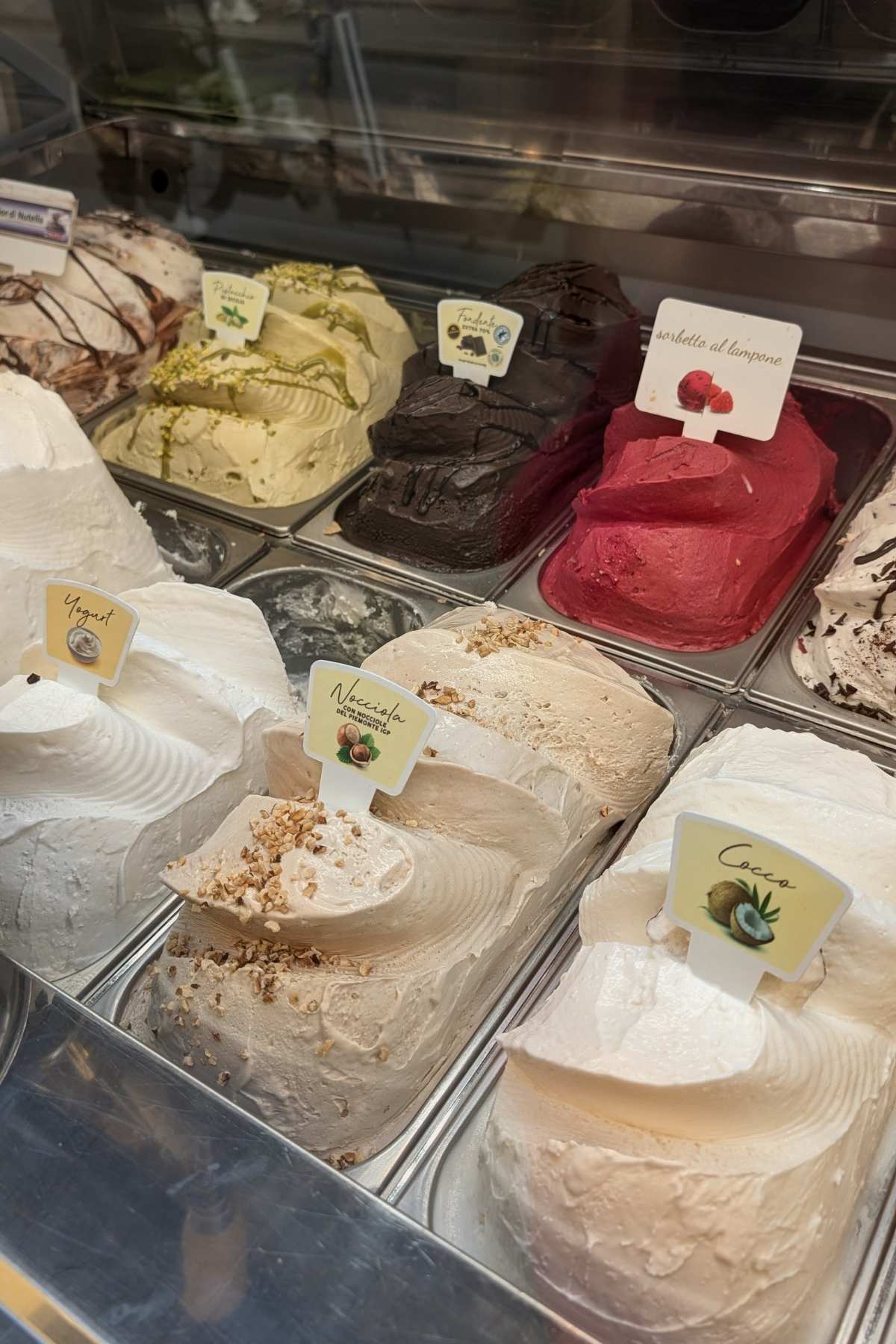
It’s also served at a slightly warmer temperature, which makes its flavor more intense.
In this article, you’ll discover the real difference between gelato and ice cream, from ingredients to technique.
Once you understand how they are made, you’ll never look at them the same way again.
Jump to:
What Is Italian Gelato
Italian gelato is a traditional frozen dessert made with milk, sugar, and, in some cases, eggs. Unlike ice cream, it contains less fat and is churned more slowly, which means it incorporates less air.
This results in a denser, smoother texture and a more intense flavor. Gelato is also served at a slightly warmer temperature than ice cream, allowing its aromas to be more noticeable on the palate.
Another key difference lies in the balance of ingredients. Authentic Italian gelato focuses on natural flavors and careful proportions, rather than relying on heavy cream or artificial additives.
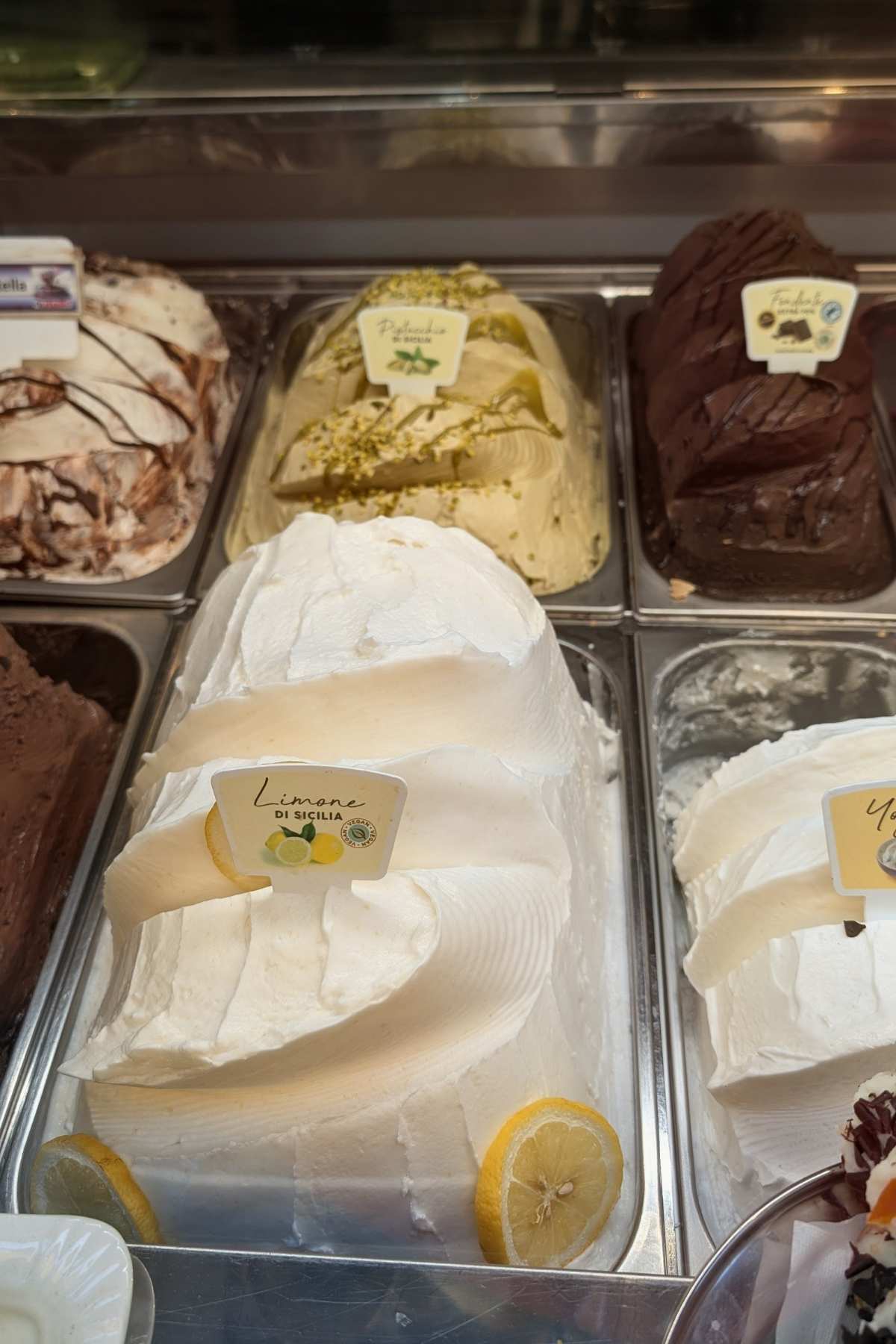
In Italy, gelato is not just a dessert, but part of everyday culture. It is typically made fresh in small batches and enjoyed at any time of day, especially during the warmer months.
What is Ice Cream
Ice cream is a frozen dessert typically made with cream, milk, sugar, and often egg yolks. Compared to Italian gelato, it contains a higher percentage of fat, mainly due to the larger amount of cream used.
Another important characteristic of ice cream is the amount of air incorporated during churning, known as overrun. Ice cream is churned faster than gelato, which introduces more air into the mixture and gives it a lighter, fluffier texture.
Ice cream is also served colder than gelato. This makes it firmer and less immediately aromatic, as the cold can slightly mute the flavors.
In many industrial versions, ice cream may also include stabilizers, emulsifiers, and flavorings to improve texture, shelf life, and consistency. While artisanal ice cream exists, most commercially available ice cream is produced on a large scale and designed to be stored for longer periods.
Gelato vs Ice Cream: Key Differences Explained
At first glance, gelato and ice cream may seem the same, but their differences become clear when you compare how they are made and served.
Here are the main differences:
Fat Content
Gelato contains less fat than ice cream because it is made with more milk and less cream.
Ice cream, on the other hand, has a higher fat content, which gives it a richer but heavier mouthfeel.
Air (Overrun)
Gelato is churned slowly, incorporating very little air. This makes it dense and creamy.
Ice cream is churned faster and contains more air, resulting in a lighter and fluffier texture.
Serving Temperature
Gelato is served at a slightly warmer temperature than ice cream.
Ice cream is served colder, which makes it firmer but can dull the flavors.
Texture
Because of the lower fat and reduced air, gelato has a smoother, silkier texture.
Ice cream feels lighter and more airy due to the higher overrun.
Flavor Intensity
Gelato flavors tend to be more intense and pronounced.
Ice cream flavors are often milder, partly because of the higher fat content and lower serving temperature.
Ingredients and Production
Authentic Italian gelato is often made in small batches with fresh ingredients and minimal additives.
Many types of ice cream, especially industrial ones, include stabilizers and emulsifiers to improve shelf life and consistency.
Why Gelato Tastes More Intense
One of the most noticeable differences between gelato and ice cream is the intensity of flavor.
Gelato is served at a slightly warmer temperature, which allows your taste buds to perceive flavors more easily. When food is too cold, it numbs the palate and reduces the ability to detect subtle aromas.
Another important factor is the lower fat content. In ice cream, the higher amount of fat can coat the tongue and soften the perception of flavors. Gelato, with less fat, lets the main ingredients stand out more clearly.
Finally, gelato contains less air than ice cream. This denser structure means that each spoonful delivers more flavor, without being diluted by excess air.
All these elements work together to create a more direct and intense taste experience, which is why gelato often feels richer in flavor, even though it contains less fat.
Why Gelato Is Not Just Italian Ice Cream
Many people think gelato is simply the Italian version of ice cream. In reality, the differences go far beyond the name.
Authentic Italian gelato follows a different philosophy. It focuses on balance, freshness, and the natural flavor of the ingredients, rather than richness alone. The goal is not just to create something sweet, but to highlight the true taste of milk, fruit, nuts, or chocolate.
Another key aspect is how gelato is made and served. In Italy, gelato is often prepared fresh in small batches and consumed within a short time. This allows for a softer texture and a more vibrant flavor, without the need for heavy stabilizers or long storage.
Ice cream, especially in its industrial form, is designed for mass production and longer shelf life. It's often richer in fat and air, but not necessarily more expressive in taste.
For this reason, calling gelato “Italian ice cream” can be misleading. While they belong to the same family of frozen desserts, they represent two different approaches to flavor, texture, and tradition.
How Gelato Is Made (Quick Overview)
Authentic Italian gelato is made by carefully balancing ingredients such as milk, sugar, and sometimes eggs, depending on the flavor. The mixture is first heated to dissolve the sugar and, in some cases, to create a custard base.
Once ready, the mixture is cooled and churned slowly. This slow churning process incorporates very little air, giving gelato its dense and creamy texture.
Temperature control is essential throughout the process. Gelato is churned and stored at slightly warmer temperatures than ice cream, which helps preserve its smooth consistency and enhances the flavor.
Try Authentic Italian Gelato Recipes
Now that you know the difference between gelato and ice cream, it’s time to experience it for yourself.
Here are some classic Italian gelato recipes you can try at home:
CLASSIC BASES
- How to Make Gelato with Eggs (Vanilla Gelato)
- How to Make Gelato Without Eggs (Fior di Latte Gelato)
RICH AND CREAMY
- Chocolate Gelato
- Gianduia Gelato
- Stracciatella Gelato
- Coffee Gelato
- Yogurt Gelato
- Tiramisu Gelato
- Zabaglione Gelato
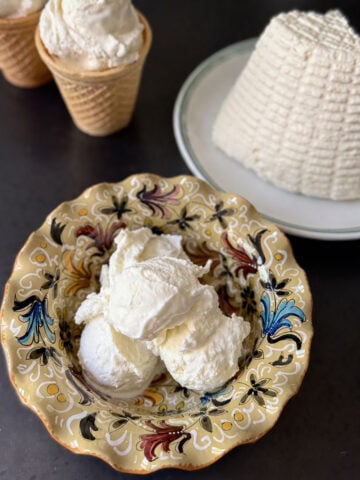
- Ricotta Gelato
Discover all our Italian gelato recipes, including fruit gelato, sorbets, and semifreddo, in our full collection.

JoJo says
Under "What is Ice Cream" it states "Ice cream is served at a low temperature." Everywhere else, it's gelato is served 'at a lower temperature."
I've found gelato is better in Italy. Is it just me?
Barbara Felicità Lucchini says
Thank you for pointing this out! The wording can definitely be a little confusing. Gelato is actually served at a slightly warmer temperature than ice cream, while ice cream is served colder. I’ve clarified that sentence to make the difference easier to understand.
And no, it’s not just you! A good artisanal gelato in Italy is often made fresh in small batches and served at the ideal temperature, which makes the texture softer and the flavors more pronounced. Of course, there are excellent gelaterias outside Italy too, but I completely understand what you mean!