
Ricotta gnocchi are one of the easiest and quickest Italian dumplings you can make at home. Unlike traditional potato gnocchi, they require no boiling potatoes and come together in less than 30 minutes with just a few simple ingredients.
Soft, light and delicate, these homemade Italian ricotta gnocchi are perfect with butter and sage, tomato sauce or pesto.
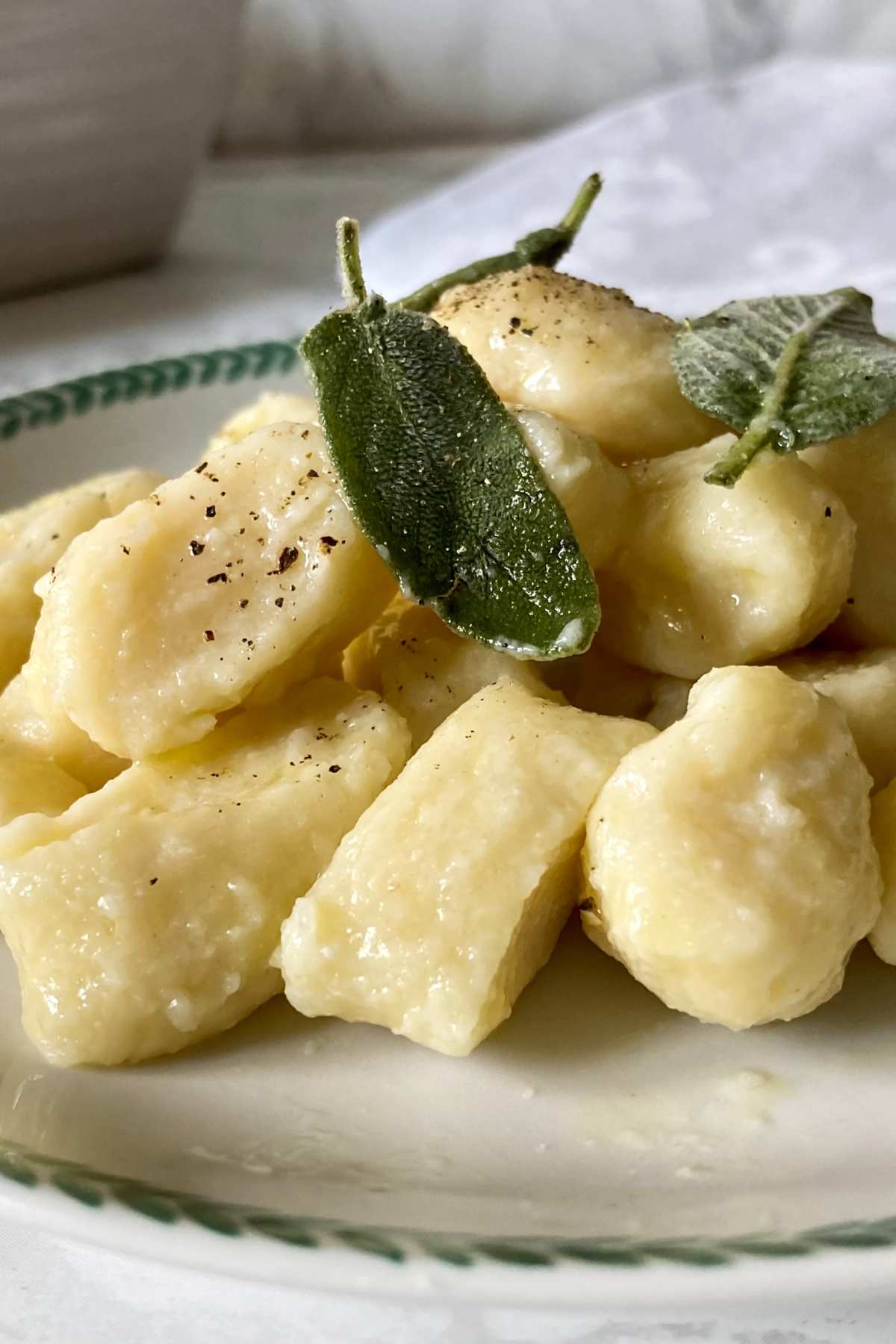
The texture is incredibly pillowy, while the flavor remains mild and rich thanks to fresh ricotta and Parmigiano Reggiano.
In this step-by-step recipe you’ll learn how to make authentic Italian ricotta gnocchi, how to keep them soft and not gummy, and the best sauces to serve with them.
Jump to:
- Ingredients
- Kitchen Tools and Equipment
- How to Make Ricotta Gnocchi Step by Step
- How to Cook Ricotta Gnocchi
- Why Are My Ricotta Gnocchi Too Soft?
- Ricotta Gnocchi vs Potato Gnocchi
- Best Sauces for Ricotta Gnocchi
- How to Store and Freeze Ricotta Gnocchi
- Tips for Soft and Pillowy Ricotta Gnocchi
- Variations
- More Italian Gnocchi and Dumpling Recipes
- FAQ About Ricotta Gnocchi
- Recipe Card
Ingredients
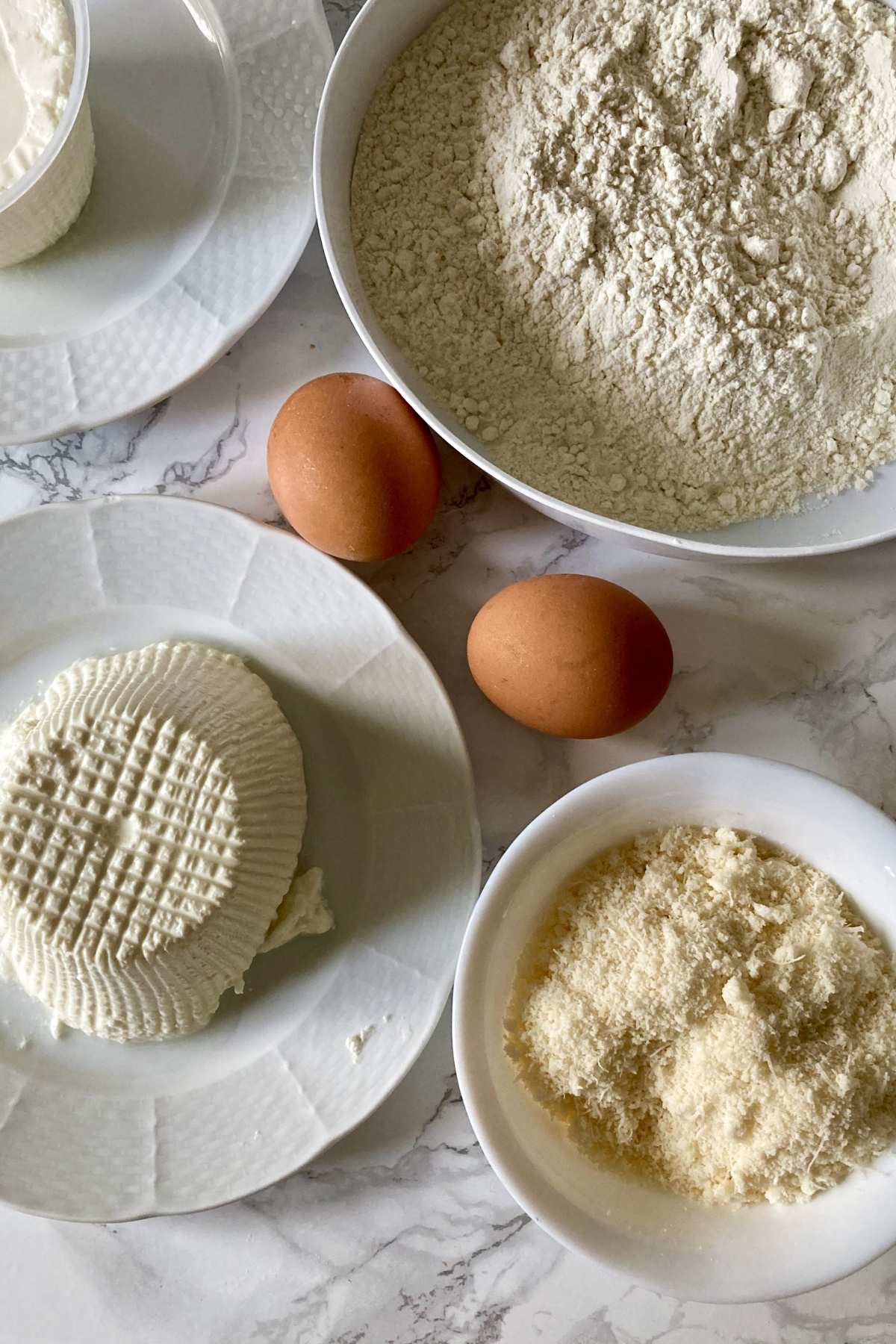
Prep Time: 15 Min | Cook Time: 5 Min | Servings: 4
FOR THE RICOTTA GNOCCHI
- 500 g (2 cups) whole milk ricotta cheese, well drained
- 200 g (1⅓ cups) all-purpose flour, plus more for dusting
- 2 medium eggs
- 110 g (1 cup) grated Parmigiano Reggiano Cheese
- 1 pinch of salt
FOR THE BUTTER AND SAGE SAUCE
- 60 g (4 tablespoons) unsalted butter
- a few fresh sage leaves
- freshly ground black pepper, to taste
Kitchen Tools and Equipment
- To make ricotta gnocchi you definitely need a pastry board to knead and cut the gnocchi. We recommend this reversible Woden Pastry Board with engraved ruler and pie board template. Really lovely and useful!
- You can cut gnocchi just fine with a well-honed knife. But if you want something fancier and always useful in the kitchen, try checking out this multi-purpose stainless steel Bench Scraper-Chopper-Cutter.
- A mixing bowl for mix up all the ingredients should never be lacking in a kitchen. Check out this set of stainless steel mixing bowls with airtight lids. Great for mixing or serving.
How to Make Ricotta Gnocchi Step by Step

Step 1) - Place the ricotta in a fine mesh strainer and let it drain well before using it. Ricotta that is too wet will require more flour and make the gnocchi heavy instead of soft and pillowy.
In a large bowl, combine the drained ricotta and the eggs. Mix with a spoon until creamy and smooth.

Step 2) - Add the grated Parmigiano Reggiano and a pinch of salt. Then gradually add the flour, mixing gently until you get a soft and slightly sticky dough.
Do not add too much flour. The dough should remain soft to keep the ricotta gnocchi light and delicate after cooking.

Step 3) - Transfer the dough to a lightly floured work surface. Knead very briefly, just long enough to form a smooth dough ball.
Cut off a piece of dough and roll it gently with your hands to form a rope about 2 cm (¾ inch) thick.
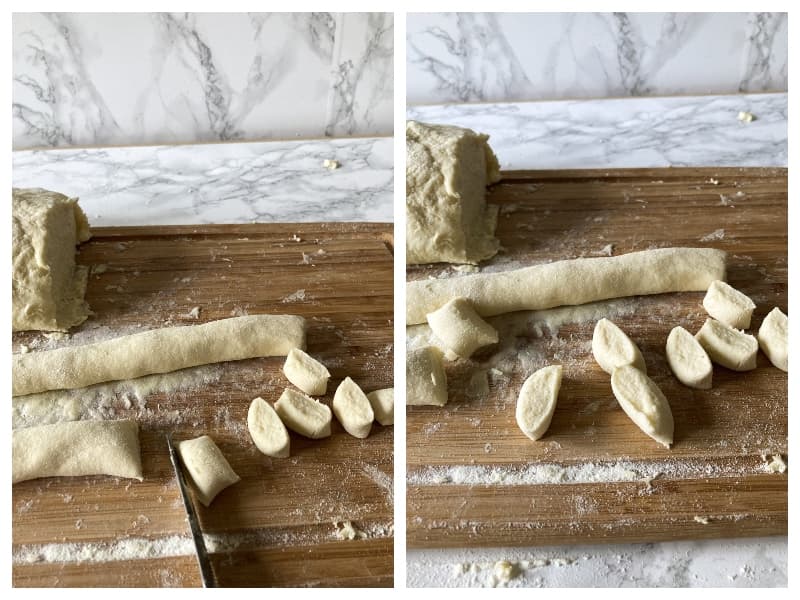
Step 4) - Using a knife or bench scraper, cut the rope into small gnocchi about 2 cm (¾ to 1 inch) wide.
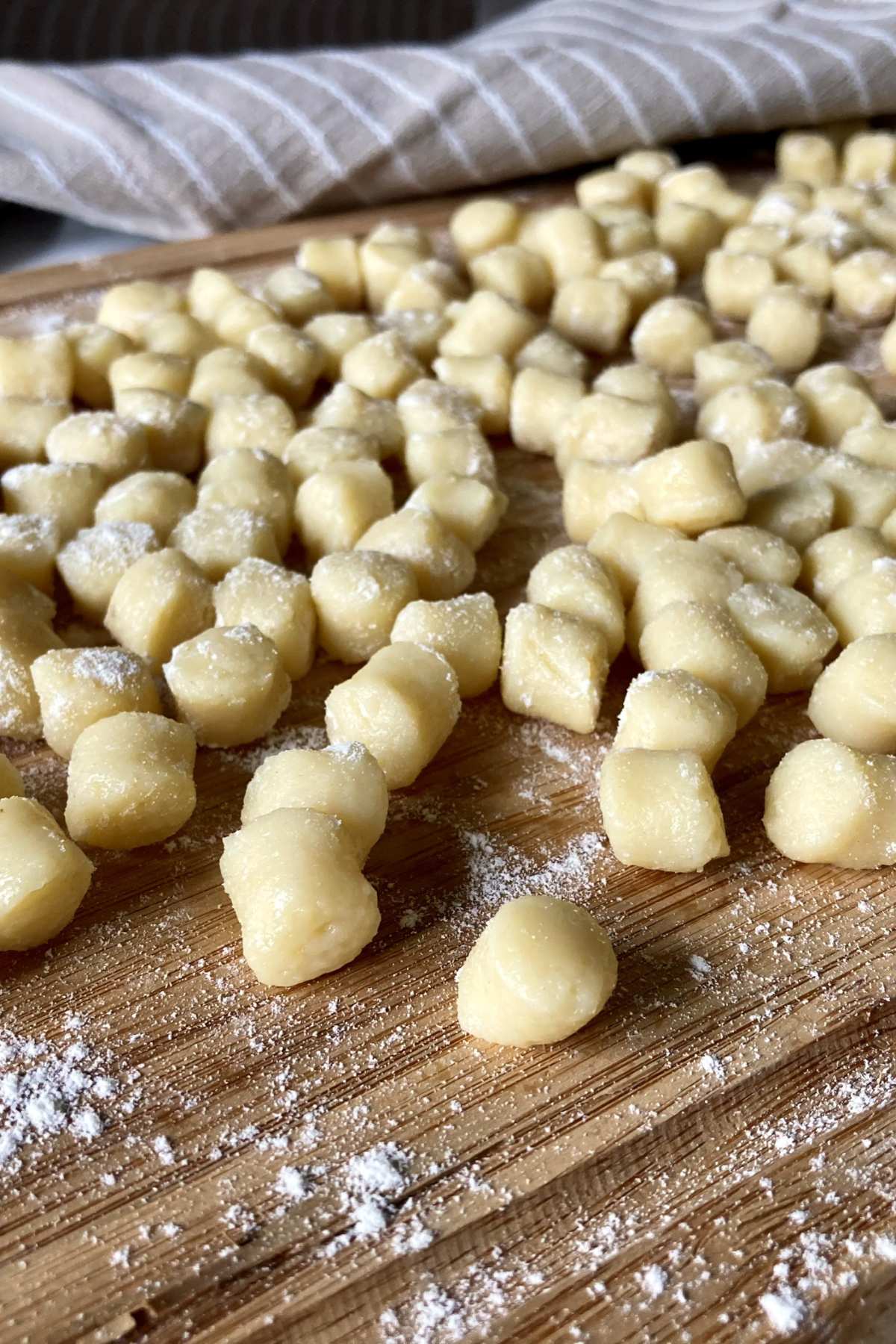
Lightly dust the ricotta gnocchi with flour as you cut them to prevent sticking. Arrange them on a floured wooden board or kitchen towel while you finish shaping the remaining dough.
At this point, your homemade ricotta gnocchi are ready to cook.
How to Cook Ricotta Gnocchi

Step 5) - Bring a large pot of salted water to a gentle boil. Shake off the excess flour from the gnocchi and cook them in batches.
Avoid stirring too vigorously because ricotta gnocchi are very delicate and may break apart.
Meanwhile, melt the butter in a large pan with the sage leaves until fragrant and lightly golden.
As soon as the gnocchi float to the surface, lift them out with a slotted spoon. Transfer the cooked ricotta gnocchi directly to the pan and toss gently to coat.
Serve the ricotta gnocchi with butter and sage, topped with a generous sprinkling of Parmigiano Reggiano cheese.
I love ricotta gnocchi served with melted butter and sage, but they are also delicious with tomato sauce, pesto Genovese or a simple Parmigiano crea
Why Are My Ricotta Gnocchi Too Soft?
Ricotta gnocchi are naturally softer and more delicate than traditional potato gnocchi, but if they fall apart during cooking or feel too wet, the dough usually contains too much moisture.
The most common reason is ricotta that has not been drained well enough. Fresh ricotta often contains a lot of liquid, and excess moisture makes the dough difficult to handle. For best results, place the ricotta in a fine mesh strainer for at least 30 minutes before making the dough.
Another common mistake is adding the flour too quickly or using too little. The dough should remain soft and slightly sticky, but still firm enough to roll into ropes and cut into gnocchi.
If the dough feels excessively wet, add a little more flour, one tablespoon at a time. Avoid adding too much, however, or the ricotta gnocchi will become dense and heavy instead of light and pillowy.
Finally, ricotta gnocchi should always be cooked in gently boiling water and handled carefully. Vigorous stirring can cause them to break apart before they are fully cooked.
Ricotta Gnocchi vs Potato Gnocchi
Ricotta gnocchi and potato gnocchi are both classic Italian dumplings, but they have different textures, flavors and preparation methods.
Traditional potato gnocchi are made with cooked potatoes, flour and sometimes egg. They have a slightly firmer texture and a more neutral flavor. Since the potatoes must be boiled and cooled first, they also take longer to prepare.
Ricotta gnocchi, on the other hand, are much quicker and easier to make because they require no potatoes at all. The dough comes together in just a few minutes using ricotta cheese, eggs, Parmigiano Reggiano and flour.
The texture of ricotta gnocchi is softer, lighter and more delicate than potato gnocchi. Their flavor is also richer and creamier thanks to the ricotta cheese.
Because they are so light, ricotta gnocchi pair especially well with simple sauces such as butter and sage, fresh tomato sauce or pesto Genovese.
If you want to try the more traditional version, take a look at our Traditional Potato Gnocchi Recipe, made the authentic Italian way with potatoes and flour only.
Best Sauces for Ricotta Gnocchi
The mild and delicate flavor of ricotta gnocchi makes them incredibly versatile and easy to pair with many Italian sauces.
One of the most traditional ways to serve ricotta gnocchi is with butter and sage. The simplicity of this classic Italian sauce enhances their soft, pillowy texture without overpowering the flavor.
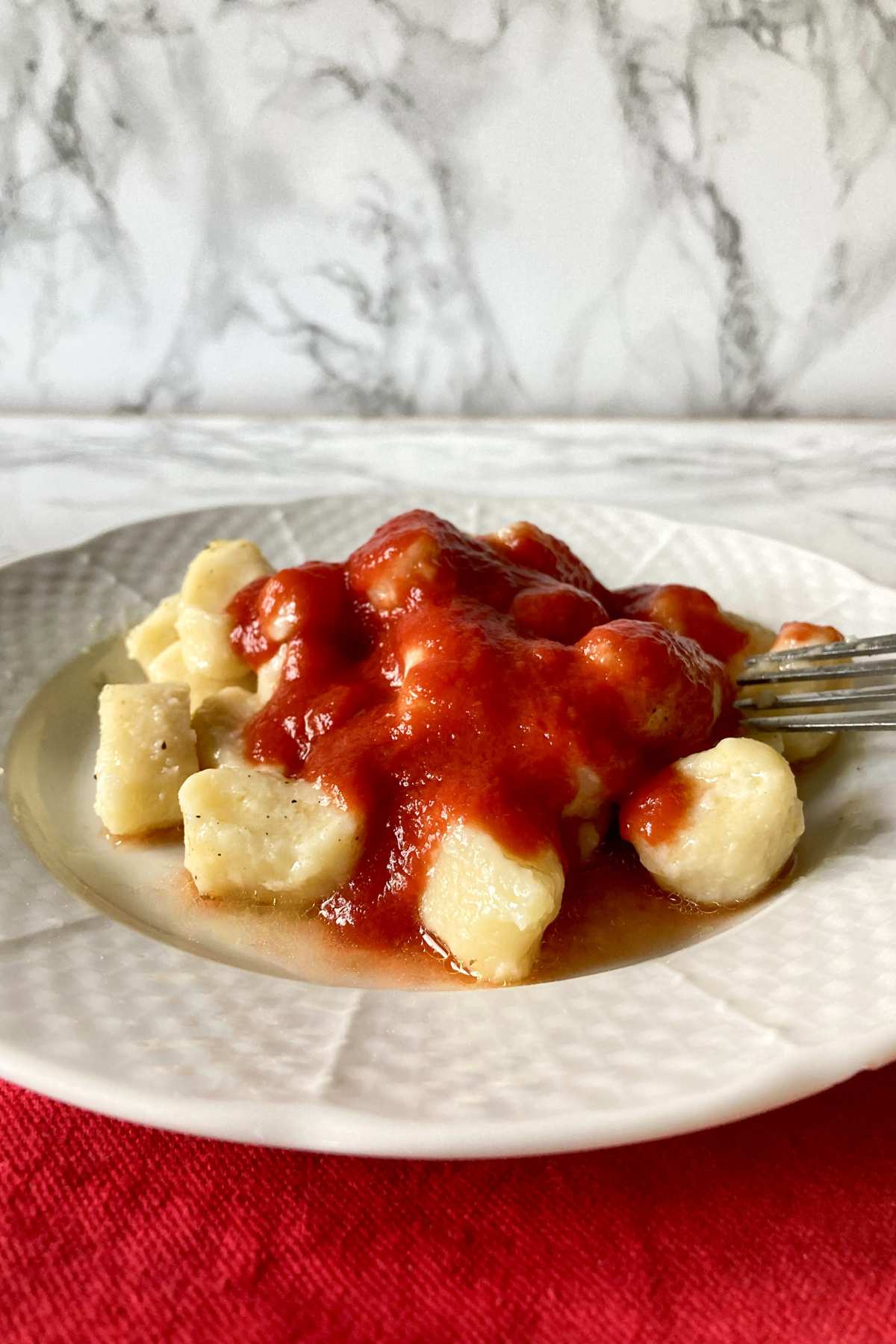
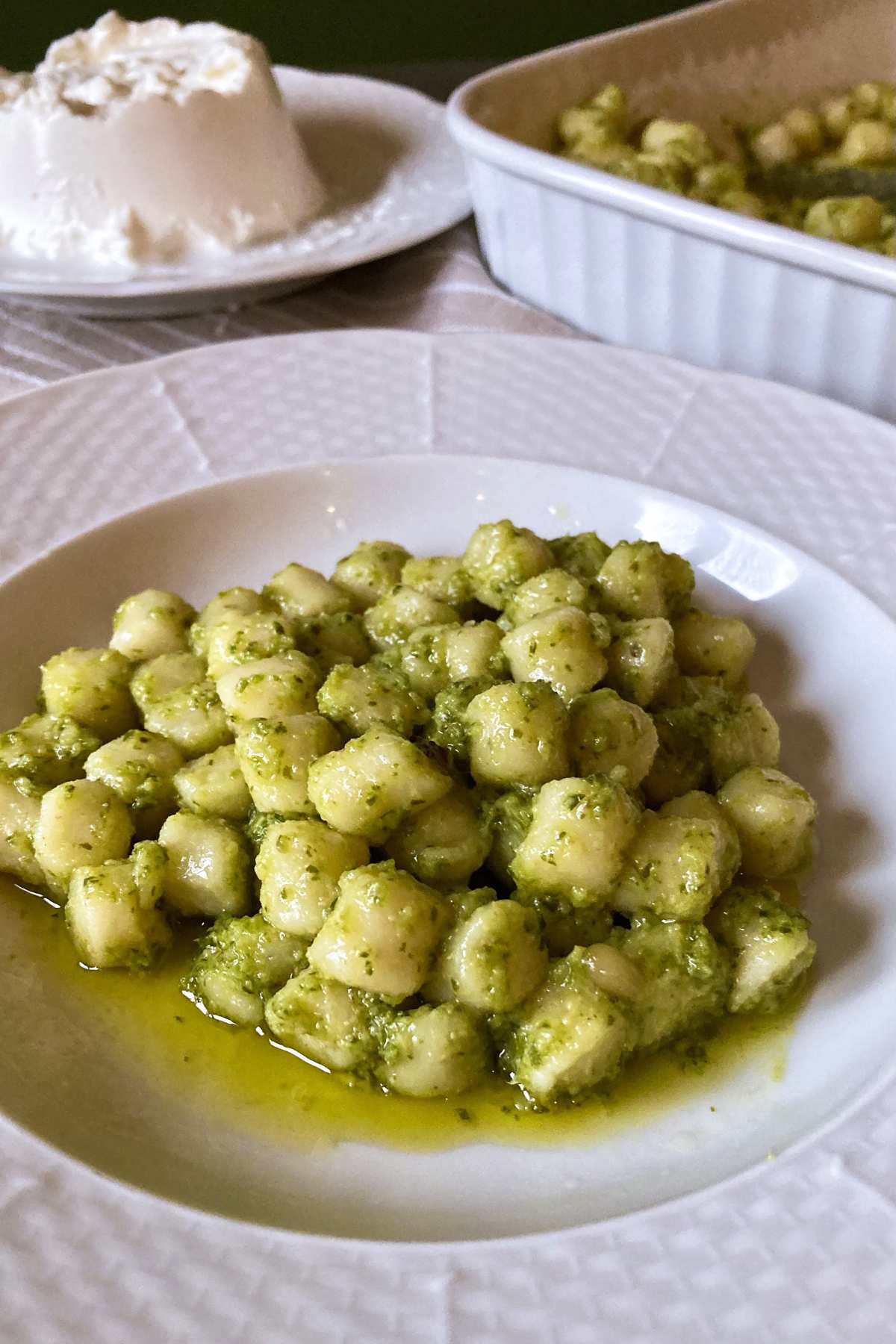
They are also delicious with a simple tomato sauce made with fresh tomatoes or with fresh and aromatic Pesto Genovese.
If you prefer richer and more substantial dishes, ricotta gnocchi pair beautifully with hearty sauces such as Bolognese sauce or creamy cheese sauces made with Gorgonzola or Parmigiano.
How to Store and Freeze Ricotta Gnocchi
Ricotta gnocchi are best cooked immediately after shaping. Because the dough is very soft and delicate, we do not recommend storing uncooked ricotta gnocchi in the refrigerator.
Once cooked, however, they can be stored in an airtight container in the refrigerator for up to 3 days.
Ricotta gnocchi also freeze very well. Arrange the uncooked gnocchi on a tray in a single layer, making sure they do not touch each other. Place the tray in the freezer until the gnocchi are completely frozen, about 2 hours.
At that point, transfer them to freezer bags or airtight containers and store them in the freezer for up to 6 weeks.
When ready to cook, drop the frozen ricotta gnocchi directly into boiling salted water without thawing them first.
Tips for Soft and Pillowy Ricotta Gnocchi
Use well-drained ricotta. This is the most important step for making light and delicate ricotta gnocchi. If the ricotta contains too much moisture, the dough will require extra flour and the gnocchi may turn dense and heavy.
Add the flour gradually. Depending on the ricotta, you may need slightly more or less flour. The dough should stay soft and slightly sticky, never dry or stiff.
Do not overwork the dough. Kneading too much develops the gluten in the flour and can make the gnocchi chewy instead of soft and pillowy.
Cook the gnocchi in gently boiling water. A strong boil or vigorous stirring can break the gnocchi apart because ricotta gnocchi are more delicate than potato gnocchi.
Cook them in batches. Avoid overcrowding the pot so the gnocchi can cook evenly and float freely to the surface.
Serve them immediately. Ricotta gnocchi are at their best when freshly cooked and coated right away with the sauce.
Variations
Although traditional ricotta gnocchi are simple and delicate, there are a few delicious variations you can try without changing the character of the recipe.
Ricotta Gnocchi with Pecorino Romano - For a stronger and more savory flavor, replace Parmigiano Reggiano with Pecorino Romano cheese. A pinch of freshly ground black pepper also pairs beautifully with this variation.
Ricotta Gnocchi Without Eggs - You can make ricotta gnocchi without eggs by mixing ricotta, flour, grated Parmigiano and salt only. The texture will be even softer and more delicate, so handle the gnocchi carefully during cooking and pair them with light sauces such as butter and sage or simple tomato sauce.
Baked Ricotta Gnocchi - For a richer and comforting baked version, arrange the cooked ricotta gnocchi in individual baking dishes. Add a few small pieces of butter, black pepper, a pinch of nutmeg and plenty of grated Parmigiano Reggiano. Bake at 180°C (350°F) for about 20 minutes, until golden and lightly crispy on top.
More Italian Gnocchi and Dumpling Recipes
If you love soft and comforting Italian dumplings, here are a few more traditional recipes to try, from classic baked gnocchi to delicate ricotta and spinach specialties.
- Spinach and Ricotta Gnudi recipe
- How to make Pumpkin Gnocchi
- Potato Gnocchi with Arugula Pesto and Gorgonzola Cheese
- Gnocchi alla Sorrentina
- Ricotta Gnudi Recipe
- Gnocchi alla Romana (Italian Semolina Gnocchi)
FAQ About Ricotta Gnocchi
Yes, but ricotta gnocchi are best cooked immediately after shaping. If you need to prepare them ahead, freezing is the best option.
Ricotta gnocchi usually become dense when too much flour is added to the dough. For soft and pillowy gnocchi, use well-drained ricotta and add only as much flour as needed.
Yes. Freeze the uncooked gnocchi on a tray until firm, then transfer them to freezer bags. Cook them directly from frozen without thawing.
Butter and sage is one of the most traditional sauces for ricotta gnocchi because it enhances their delicate flavor. They are also delicious with tomato sauce, pesto Genovese or creamy cheese sauces.
Ricotta gnocchi are softer, lighter and much quicker to make because they do not require potatoes. Potato gnocchi have a firmer texture and a more traditional flavor.
Recipe Card

Italian Ricotta Gnocchi Recipe, Soft and Pillowy

Ingredients
For the Ricotta Gnocchi
- 500 g whole milk ricotta cheese - 2 cups, well drained
- 200 g all-purpose flour - 1⅓ cups, plus more for dusting
- 2 medium eggs
- 110 g grated Parmigiano Reggiano Cheese - 1 cup
- 1 pinch salt
For the Butter and Sage Sauce
- 60 g unsalted butter - (4 tablespoons)
- a few fresh sage leaves
- freshly ground black pepper - to taste
Instructions
- Place the ricotta in a fine mesh strainer and let it drain well before using it. Ricotta that is too wet will require more flour and make the gnocchi heavy instead of soft and pillowy.
- In a large bowl, combine the drained ricotta and the eggs. Mix with a spoon until creamy and smooth.
- Add the grated Parmigiano Reggiano and a pinch of salt. Then gradually add the flour, mixing gently until you get a soft and slightly sticky dough.Do not add too much flour. The dough should remain soft to keep the ricotta gnocchi light and delicate after cooking.
- Transfer the dough to a lightly floured work surface. Knead very briefly, just long enough to form a smooth dough ball.
- Cut off a piece of dough and roll it gently with your hands to form a rope about 2 cm (¾ inch) thick.
- Using a knife or bench scraper, cut the rope into small gnocchi about 2 cm (¾ to 1 inch) wide.
- Lightly dust the ricotta gnocchi with flour as you cut them to prevent sticking. Arrange them on a floured wooden board or kitchen towel while you finish shaping the remaining dough.
- Bring a large pot of salted water to a gentle boil. Shake off the excess flour from the gnocchi and cook them in batches.Avoid stirring too vigorously because ricotta gnocchi are very delicate and may break apart.
- Meanwhile, melt the butter in a large pan with the sage leaves until fragrant and lightly golden.
- As soon as the gnocchi float to the surface, lift them out with a slotted spoon. Transfer the cooked ricotta gnocchi directly to the pan and toss gently to coat.
- Serve the ricotta gnocchi with butter and sage, topped with a generous sprinkling of Parmigiano Reggiano cheese.


Bobbi Fosburg says
These turned out beautifully. Soft, light, so delicious. I was surprised at how easy and fast it was. I will make these again and again. Thank you for yet another incredible recipe from my favorite Italian website
Dee says
Made these yesterday. They were DEELicious! My family said it was the best recipe so far. It's a keeper!