
Pasticciotto is a traditional Italian custard pastry from Puglia, especially from Salento and the city of Lecce. It’s one of the most beloved sweets in southern Italy, usually enjoyed for breakfast with coffee, but also perfect as a small dessert.
This easy pasticciotto recipe is made with a sweet and crumbly pasta frolla shell filled with rich Italian crema pasticcera. Once baked, the pastry becomes golden and slightly crisp on the outside, while the center stays soft, creamy and fragrant.
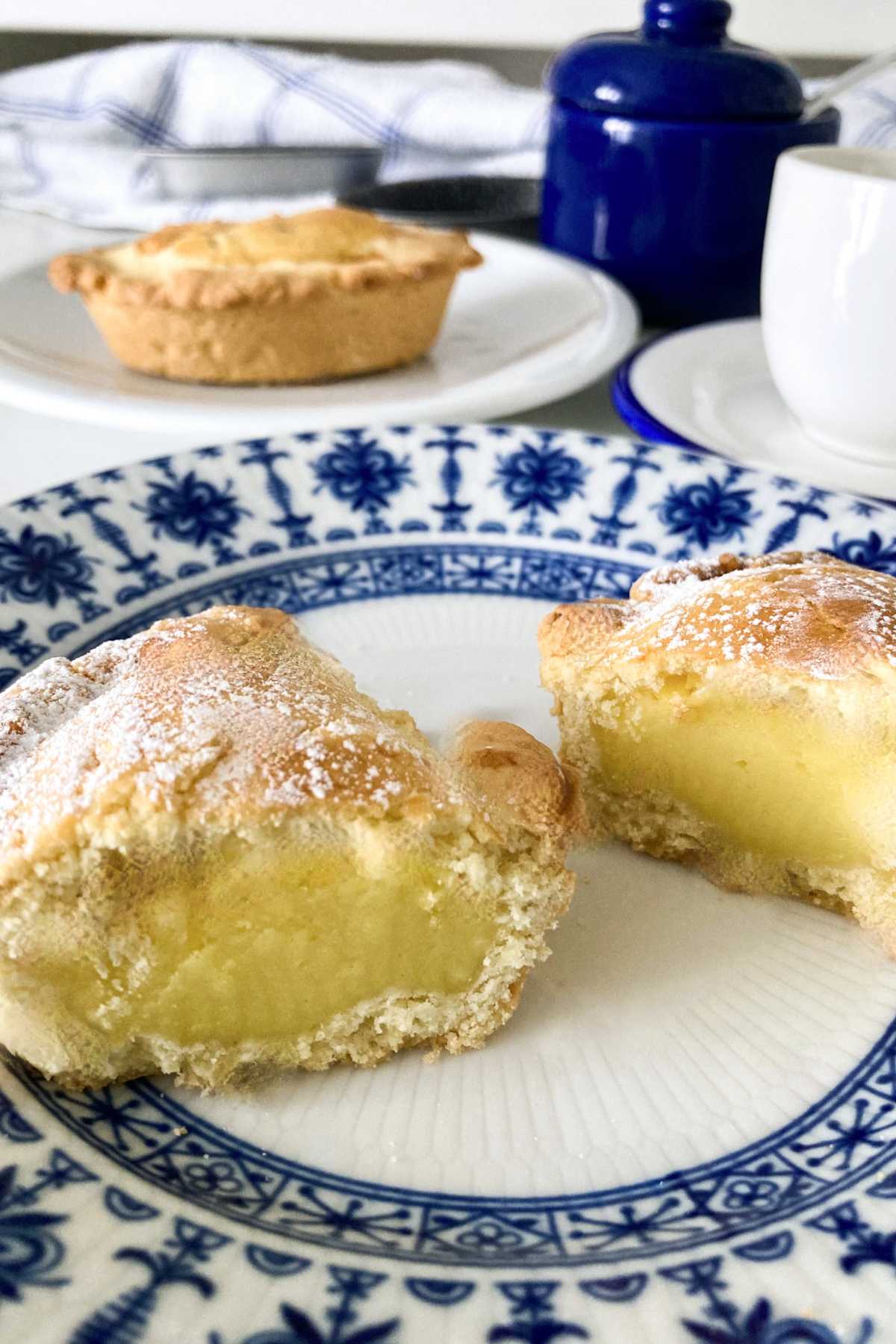
The classic Pasticciotto Leccese is usually oval-shaped and filled with pastry cream, although there are also popular variations with black cherries, chocolate or other fillings. The contrast between the buttery shortcrust pastry and the warm custard cream is what makes this little Italian pastry so irresistible.
In Puglia, pasticciotti are often served warm, fresh from the oven, when the aroma of pastry and vanilla fills the streets around local bakeries and cafés. But they are also delicious at room temperature, making them a wonderful make-ahead treat for breakfast, brunch or dessert.
Follow my step-by-step recipe to make homemade pasticciotto with pasta frolla and Italian pastry cream, just like the ones you would find in a traditional pastry shop in Lecce.
Jump to:
Ingredients
Prep Time: 30 min | Chilling Time: 30 Min | Cook Time: 30 Min | Servings: 6 Pasticciotti
For the Pasta Frolla (Italian Sweet Shortcrust Pastry)
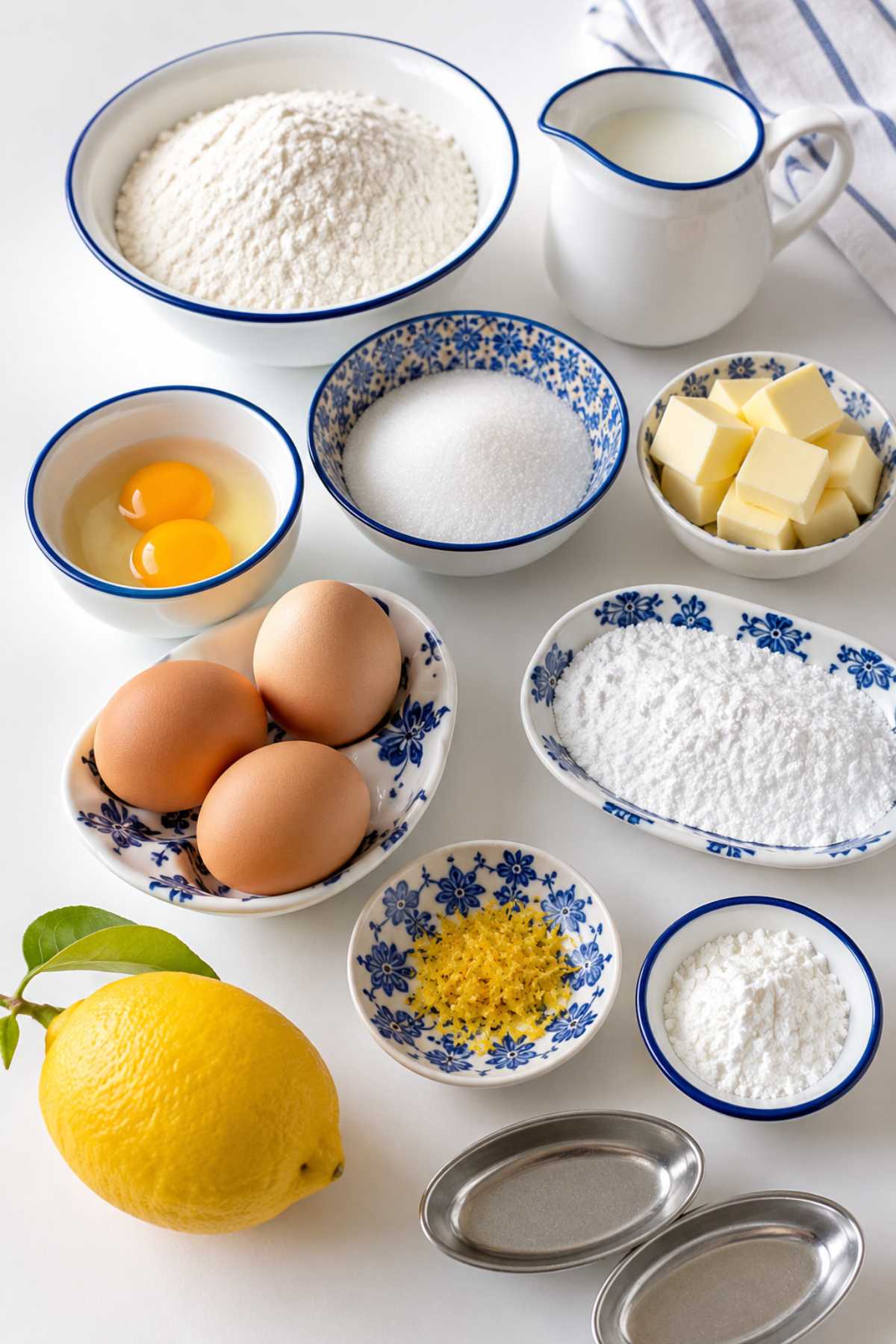
- 250 g (about 2 cups) Italian “00” flour or all-purpose flour
- 100 g (½ cup) granulated sugar
- 120 g (½ cup) cold unsalted butter
- 1 medium egg, at room temperature
- 1 medium egg yolk, at room temperature
- A pinch of fine salt
- Grated zest of ½ lemon, optional
For the Italian Pastry Cream (Crema Pasticcera)
Makes about 350 g (1 ½ cups) crema pasticcera
- 2 medium egg yolks
- 50 g (¼ cup) granulated sugar
- 15 g (2 tablespoons) Italian “00” flour or all-purpose flour
- 35 g (about 4 tablespoons) cornstarch
- 250 ml (1 cup) whole milk
- ½ teaspoon vanilla extract or the grated zest of ½ lemon
For the Egg Wash
- 1 yolk
- 3 tablespoons milk
To Serve
- Powdered sugar, optional
Tools You Need to Make Pasticciotto
To make homemade pasticciotto, you need a few basic kitchen tools for both the pasta frolla and the Italian pastry cream.
A hand whisk is essential for making a smooth crema pasticcera, while a rolling pin and a marble pastry board are useful for rolling out the shortcrust pastry evenly.
The most important tool, however, is the pasticciotto mold. Traditional pasticciotti have an oval shape, usually about 10 cm x 6 cm x 3 cm, although you can also find slightly smaller molds.
Single-portion aluminium molds are the most traditional and practical choice. silicone molds can also be used, but aluminum molds help the pastry bake more evenly and give the pasticciotto its classic golden crust.
How to Make Pasticciotto
To make Pasticciotti Leccesi at home, it's best to start with the crema pasticcera, the Italian pastry cream. While the cream cools in the refrigerator, you can prepare the sweet shortcrust pastry, known in Italy as pasta frolla.
Make the Crema Pasticcera

Step 1) - Heat the milk in a saucepan with the vanilla or lemon zest, depending on the flavor you prefer. Bring it almost to a boil.
Meanwhile, in another saucepan, beat the egg yolks with the sugar until well combined.
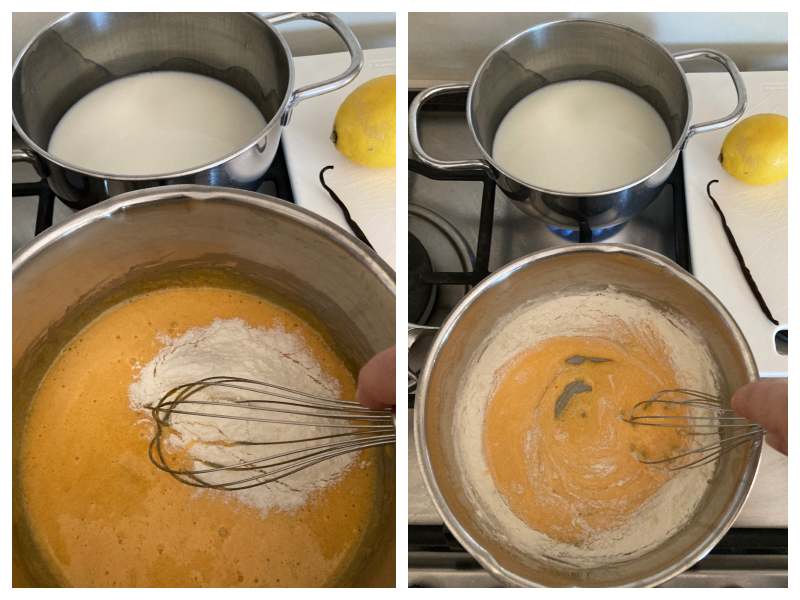
Step 2) - Add the sifted flour and cornstarch, then mix until smooth.

Step 3) - Slowly pour the hot milk into the egg, sugar and flour mixture, stirring constantly.
Place the saucepan over low heat and whisk until the cream thickens. This will take about 3 to 4 minutes.

Step 4) - Pour the pastry cream into a bowl. Cover it with plastic wrap, making sure the wrap touches the surface of the cream. Let it cool completely in the refrigerator for at least 30 minutes.
For more tips and details, read our full Italian Pastry Cream Recipe (Crema Pasticcera).
Make the Pasta Frolla

Step 1) - Place the flour on your work surface and make a well in the center. Add the sugar, lemon zest if using, salt, egg and egg yolk.

Step 2) - Add the cold butter, cut into small pieces. Quickly work the ingredients with your fingertips.
It's important not to knead the dough too much. The warmth of your hands can soften the butter and affect the final texture of the pasta frolla.
TIPS: A useful tip is to rinse your hands under very cold water, then dry them well before working the dough. If possible, use a marble pastry board, which helps keep the dough cool.

Step 3) - Knead the ingredients quickly, just until the dough comes together and becomes smooth and compact.
Shape the dough into a loaf, wrap it in plastic wrap and let it rest in the refrigerator for at least 30 minutes.
For more tips and details, read our full Pasta Frolla Recipe (Italian Sweet Shortcrust Pastry).
Make the Pasticciotti

Step 1) - Remove the pasta frolla from the refrigerator. Place it on a lightly floured work surface and roll it out with a rolling pin to about 5 mm (⅕ inch) thick.
Lightly grease the oval molds. Line each mold with the pasta frolla, pressing it gently with your fingers so it covers the bottom and sides well. Trim off any excess dough around the edges.

Step 2) - Fill each mold with 2 or 3 teaspoons of crema pasticcera. The cream should come just below the rim.
Roll out another piece of pasta frolla and place it over the filling to cover the cream completely.

Step 3) - Press the edges well to seal the pastry, then trim off any excess dough.
Beat the egg yolk with the milk and brush the surface of each pasticciotto. This will give the pastries their classic shiny, golden top.
Bake the Pasticciotti

Step 4) - Bake the pasticciotti in a preheated oven at 180°C (356°F) for 30 to 35 minutes, or until golden brown.
Remove them from the oven and let them cool for a few minutes at room temperature.
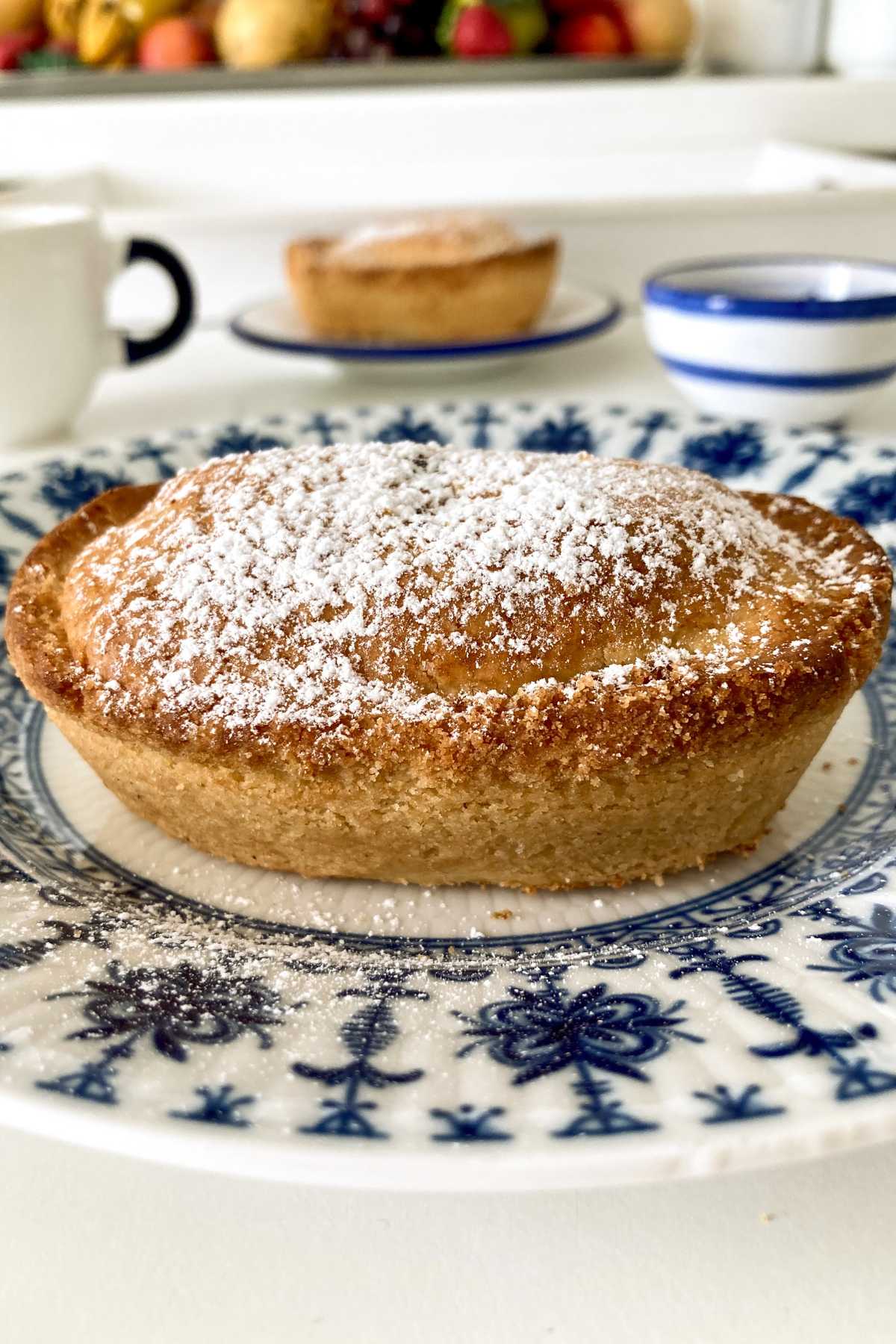
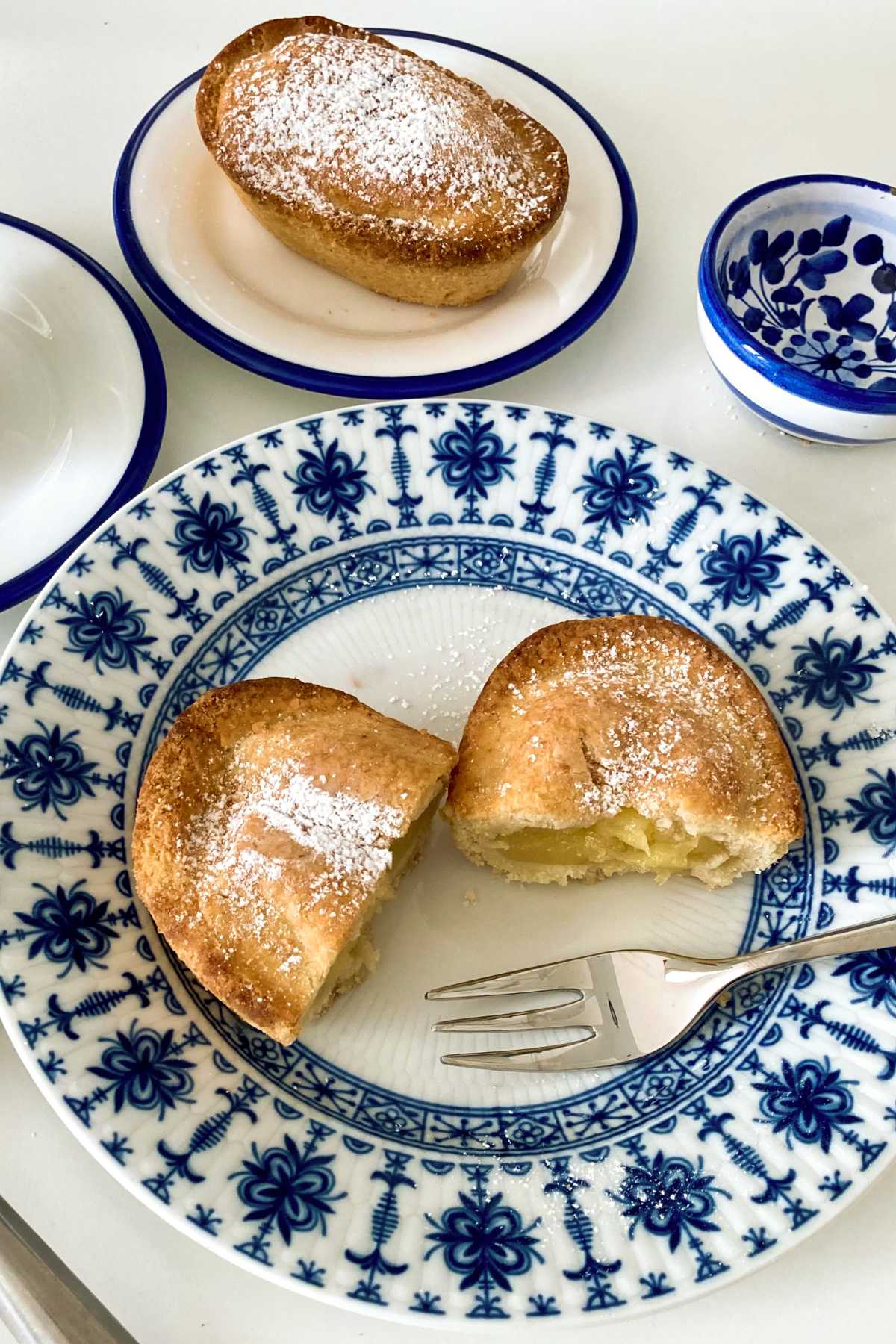
Dust with powdered sugar before serving, if you like.
Pasticciotti are delicious warm, when the filling is still soft and creamy, but they are also excellent at room temperature.
Tips for the Best Pasticciotto
For the best pasticciotto, keep the pasta frolla cold and work it as little as possible. This helps the pastry stay crumbly and delicate after baking.
Don't overfill the molds with pastry cream. The filling should come just below the rim, otherwise it may leak out during baking.
Seal the edges well before baking, pressing the top and bottom layers of pasta frolla together. This helps the pasticciotti keep their classic oval shape.
Use aluminum oval molds if possible. They help the pastry bake evenly and give the pasticciotti their traditional golden crust.
Finally, serve pasticciotti warm or at room temperature. The texture is much better when the pastry is not too cold and the cream inside is soft.
How to Store Pasticciotto
You can store homemade pasticciotti for 2 to 3 days after baking. Since they are filled with crema pasticcera, it's best to keep them in the refrigerator, stored in an airtight container.
For the best texture and flavor, don't serve them too cold. Take the pasticciotti out of the refrigerator about 30 to 60 minutes before serving, so the pastry softens slightly and the cream becomes pleasantly creamy again.
Pasticciotti are especially delicious when still slightly warm or at room temperature.
Can You Freeze Pasticciotto?
Yes, you can freeze homemade pasticciotto, either raw or baked.
The best method is to freeze the pasticciotti before baking. Once assembled, place them on a baking sheet lined with parchment paper and freeze until firm. Then transfer them to a freezer bag or airtight container.
When ready to bake, do not thaw them. Place the frozen pasticciotti directly in the oven and bake until golden brown. You may need to add a few extra minutes to the baking time.
You can also freeze baked pasticciotti. Let them cool completely, then wrap each one tightly in plastic wrap or place them in freezer bags.
Pasticciotti will keep well in the freezer for up to 1 month. To serve, thaw them in the refrigerator for a few hours or overnight, then warm them briefly in the oven before serving.
Can You Make Pasticciotto Ahead of Time?
Yes, you can make pasticciotto ahead of time.
You can prepare the pasta frolla and the crema pasticcera the day before and keep them in the refrigerator, stored separately, for up to 24 hours.
You can also assemble the pasticciotti in advance. Fill the pastry shells with the cream, seal them with the top layer of pasta frolla, then refrigerate them for up to 24 hours before baking.
If you want to prepare them further in advance, freeze the assembled pasticciotti before baking. This is a very convenient method if you want to have fresh, warm pasticciotti ready for breakfast, brunch or dessert.
Variations
The traditional Pasticciotto Leccese is made with a sweet pasta frolla shell and filled with Italian pastry cream. This is the classic version from Lecce and the one you will find most often in Puglia.
Over time, however, several variations have become popular in other parts of Italy. Here are some of the most common.
- Pasticciotto with Amarena Cherries: One of the most beloved variations is filled with pastry cream and black cherries in syrup, known in Italy as amarene sciroppate. This version is especially associated with the Neapolitan tradition. In Naples, pasticciotto is often made with a lard-based shortcrust pastry, which gives it an especially crumbly texture. The combination of pastry cream and amarena cherries also recalls other classic desserts from Campania, such as Crostata Amalfitana.
- Chocolate Pasticciotto: For a chocolate version, you can make the shell with cocoa pasta frolla. This creates a delicious contrast between the dark pastry and the pale pastry cream filling. To make the chocolate shortcrust pastry, add about 45 g (6 tablespoons) of unsweetened cocoa powder to the dough.
- Apple Pasticciotto: Another variation is made by adding small pieces of apple and a little cinnamon to the pastry cream. Apple and cream is a classic pairing, especially in Italian homemade desserts. You can finish apple pasticciotti with sliced almonds and a light dusting of powdered sugar.
- Ricotta Pasticciotto: Pasticciotti can also be filled with a ricotta cream, sometimes enriched with candied fruit. This filling is reminiscent of traditional southern Italian desserts such as Neapolitan pastiera.
Pasticciotto Leccese: Origins and Curiosities
The Origin of Pasticciotto Leccese
According to local tradition, Pasticciotto Leccese was born in Galatina, a town near Lecce, in the heart of Salento. The story is usually linked to the Ascalone pastry shop, one of the historic pastry shops of the area.
It's said that in 1745, pastry chef Nicola Ascalone used some leftover pasta frolla and pastry cream to make a small, improvised cake. The result was a little “pasticcio”, a word that in Italian can mean something put together in a rough or casual way. From this word came the name pasticciotto.
The small pastry was supposedly given, still warm, to a passerby, who loved it immediately. From that moment, the little cream-filled pastry became more and more popular in Galatina and then throughout Salento.
Today, Pasticciotto Leccese is one of the most iconic sweets of Puglia. It's especially associated with breakfast, often served warm with coffee, when the pasta frolla is still fragrant and the pastry cream is soft and creamy.
The historic Ascalone pastry shop still exists in Galatina, close to the Church of Saints Peter and Paul, and is closely connected to the tradition of this famous Italian pastry.
Fun Facts About Pasticciotto
Over time, Pasticciotto Leccese has become more than just a local pastry. It has inspired stories, tributes and even celebrity anecdotes.
One of the most curious modern versions is the Pasticciotto Obama, created in Campi Salentina by pastry chef Angelo Bisconti after Barack Obama’s election. It's a chocolate version of the traditional pasticciotto, made with cocoa in both the pastry and the filling. La Gazzetta del Mezzogiorno reported on the “Pasticciotto Obama” in 2009, describing it as a specialty from Campi Salentina.
Another famous story links pasticciotti to the wedding of George Clooney and Amal Alamuddin in Venice in 2014, where pasticciotti from Galatina were reportedly served among the wedding desserts.
There is also a well-known local story about Pope John Paul II, who is said to have enjoyed the pasticciotto from Ascalone so much that fresh pasticciotti were later sent to him from Puglia. Like many food legends, this story is part of the charm surrounding this beloved pastry.
Whether all these stories are perfectly documented or partly legendary, they show how deeply Pasticciotto Leccese is loved, not only in Puglia but far beyond Salento.
More Italian Pastry Recipes to Try
If you love this pasticciotto recipe, you may also enjoy these traditional Italian pastries and desserts made with pasta frolla or pastry cream:
- Italian Crostata Recipe
- Torta della Nonna
- Italian Fruit Tart
- Italian Chocolate Tart
- Sporcamuss, Italian Cream-Filled Pastries
- Bomboloni alla Crema Recipe
Recipe Card

Easy Pasticciotto Recipe (Italian Cream-Filled Pastry)

Ingredients
For the Pasta Frolla (Italian Sweet Shortcrust Pastry)
- 250 g Italian “00” flour or all-purpose flour - about 2 cups
- 100 g granulated sugar - ½ cup
- 120 g cold unsalted butter - ½ cup
- 1 medium egg - at room temperature
- 1 medium egg yolk - at room temperature
- 1 pinch fine salt
- ½ lemon, the zest - optional
For the Crema Pasticcera (Italian Pastry Cream)
- 2 medium egg yolks
- 50 g granulated sugar - ¼ cup
- 15 g Italian “00” flour or all-purpose flour - 2 tablespoons
- 35 g cornstarch - about 4 tablespoons
- 250 ml whole milk - 1 cup
- ½ teaspoon vanilla extract - or the grated zest of ½ lemon
For the Egg Wash
- 1 yolk
- 3 tablespoons milk
To Serve
- powdered sugar - optional
Instructions
Make the Crema Pasticcera
- Heat the milk in a saucepan with the vanilla or lemon zest, depending on the flavor you prefer. Bring it almost to a boil.
- Meanwhile, in another saucepan, beat the egg yolks with the sugar until well combined.
- Add the sifted flour and cornstarch, then mix until smooth.
- Slowly pour the hot milk into the egg, sugar and flour mixture, stirring constantly.
- Place the saucepan over low heat and whisk until the cream thickens. This will take about 3 to 4 minutes.
- Pour the pastry cream into a bowl. Cover it with plastic wrap, making sure the wrap touches the surface of the cream. Let it cool completely in the refrigerator for at least 30 minutes.
Make the Pasta Frolla
- Place the flour on your work surface and make a well in the center. Add the sugar, lemon zest if using, salt, egg and egg yolk.
- Add the cold butter, cut into small pieces. Quickly work the ingredients with your fingertips.It's important not to knead the dough too much. The warmth of your hands can soften the butter and affect the final texture of the pasta frolla.TIPS: A useful tip is to rinse your hands under very cold water, then dry them well before working the dough. If possible, use a marble pastry board, which helps keep the dough cool.
- Knead the ingredients quickly, just until the dough comes together and becomes smooth and compact.Shape the dough into a loaf, wrap it in plastic wrap and let it rest in the refrigerator for at least 30 minutes.
Make the Pasticciotti
- Remove the pasta frolla from the refrigerator. Place it on a lightly floured work surface and roll it out with a rolling pin to about 5 mm (⅕ inch) thick.
- Lightly grease the oval molds. Line each mold with the pasta frolla, pressing it gently with your fingers so it covers the bottom and sides well. Trim off any excess dough around the edges.
- Fill each mold with 2 or 3 teaspoons of crema pasticcera. The cream should come just below the rim.
- Roll out another piece of pasta frolla and place it over the filling to cover the cream completely.
- Press the edges well to seal the pastry, then trim off any excess dough.
- Beat the egg yolk with the milk and brush the surface of each pasticciotto. This will give the pastries their classic shiny, golden top.
Bake the Pasticciotti
- Bake the pasticciotti in a preheated oven at 180°C (356°F) for 30 to 35 minutes, or until golden brown.
- Remove them from the oven and let them cool for a few minutes at room temperature.
- Dust with powdered sugar before serving, if you like.

Donna M Chillemi says
Never mind I figured it out! I changed the recipe to make 10 servings, but the milk measurement (in cups) did not increase, hence my 'cream' was like farina! Made a second batch and all is well 🙂
Donna M Chillemi says
I followed the recipe for cream and crust, but my cream only filled 3 tins! The recipe says to fill to just under the top of the tin (which is 10cm x 6cm x 3cm) and that's all I got. What did I do wrong?!
Shannon says
Come si fa a non fuoriuscire la crema? Ho forse riempito troppo le forme? Grazie!
Silvana Nava says
Ciao Shannon!
Sì, molto probabilmente hai riempito un po’ troppo le formine. La crema deve arrivare appena sotto il bordo, non a filo, altrimenti in cottura tende a fuoriuscire.
Un altro passaggio fondamentale è sigillare molto bene i bordi, premendo la pasta frolla superiore contro quella inferiore e rimuovendo l’eccesso. Se la chiusura non è ben aderente, la crema trova facilmente una via di fuga durante la cottura.
Seguendo queste due accortezze (meno crema e bordi ben sigillati) i pasticciotti restano perfetti.
Grazie per aver provato la ricetta!
MrsD says
I LOVE these. I put a little slight raspberry jam on the bottom then cover the custard with pinolis. Not sure if if that has a different name but I do love them that way!
Vicki says
Do you know where I can find the molds?
Ali says
Molds can be found as a set on Amazon
A says
use a muffin tin 🙂