
Pecorino Romano is one of the most iconic cheeses in Italian cuisine and a key ingredient in traditional Roman pasta recipes. Made from sheep’s milk and aged for several months, it has a firm texture and a bold, salty flavor that makes it ideal for grating.
In Roman cooking, Pecorino Romano plays a central role in some of the city’s most famous dishes. It's the cheese used in classic pasta recipes such as Cacio e Pepe, Carbonara, Amatriciana, and Gricia, where its sharp taste helps create rich and flavorful sauces.
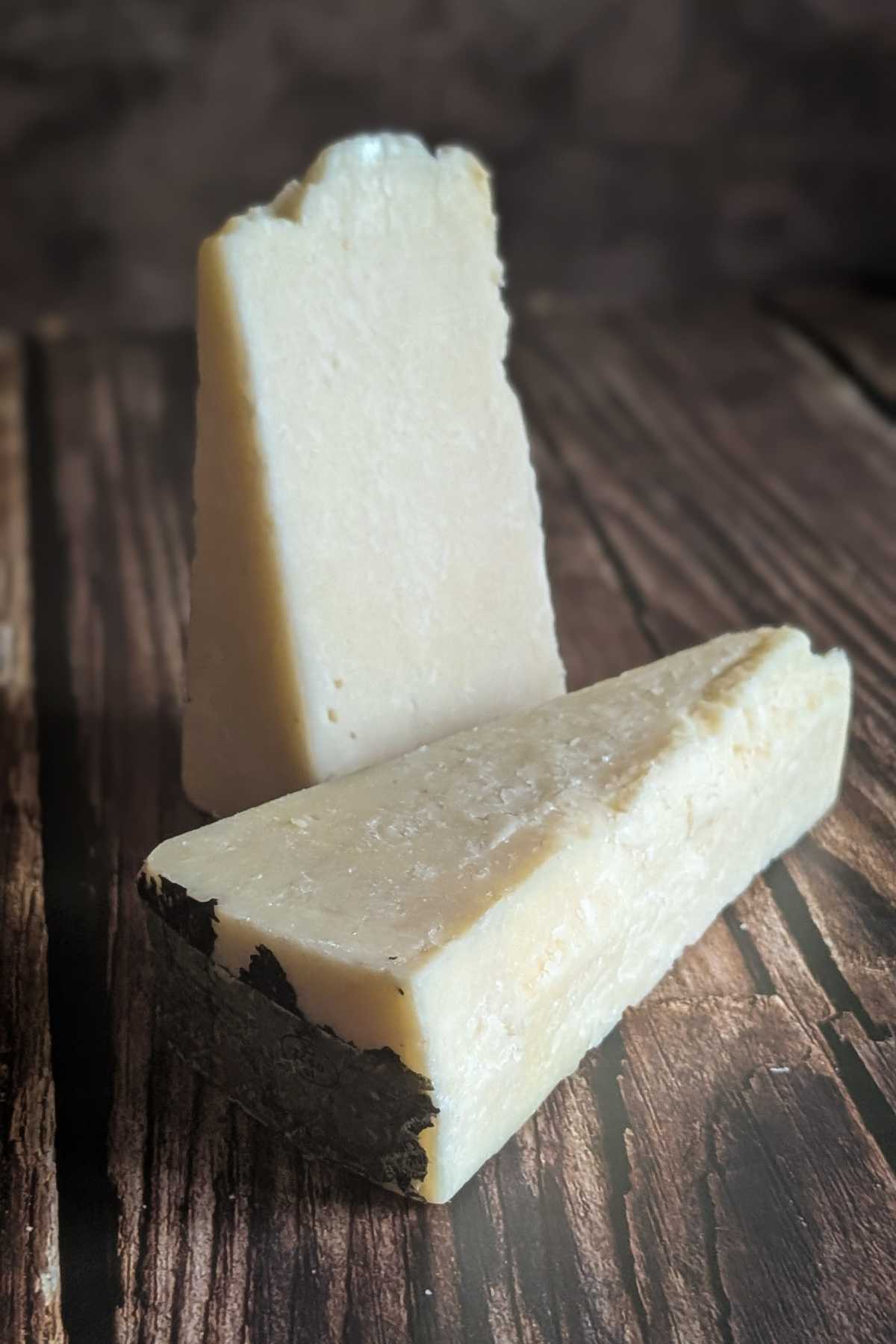
Unlike milder cheeses, Pecorino Romano brings intensity and depth to a dish with just a small amount. When combined with ingredients like guanciale and black pepper, it becomes one of the defining flavors of Roman cuisine.
Understanding what Pecorino Romano is and how it is used in cooking helps explain why this cheese has remained a cornerstone of Roman pasta for centuries.
Jump to:
What Is Pecorino Romano?
Pecorino Romano is a traditional Italian cheese made from sheep’s milk. Producers age it for several months until it develops a firm texture and a strong, salty flavor that makes it perfect for grating.
The name comes from the Italian word pecora, which means sheep. Like other pecorino cheeses, Pecorino Romano belongs to the family of Italian cheeses made from sheep’s milk, but it stands out for its bold taste and long history.
Today producers make Pecorino Romano mainly in Lazio, Sardinia, and parts of Tuscany, following strict rules protected by the DOP (Protected Designation of Origin) certification. These regulations define how producers raise the sheep, make the cheese, and age it.
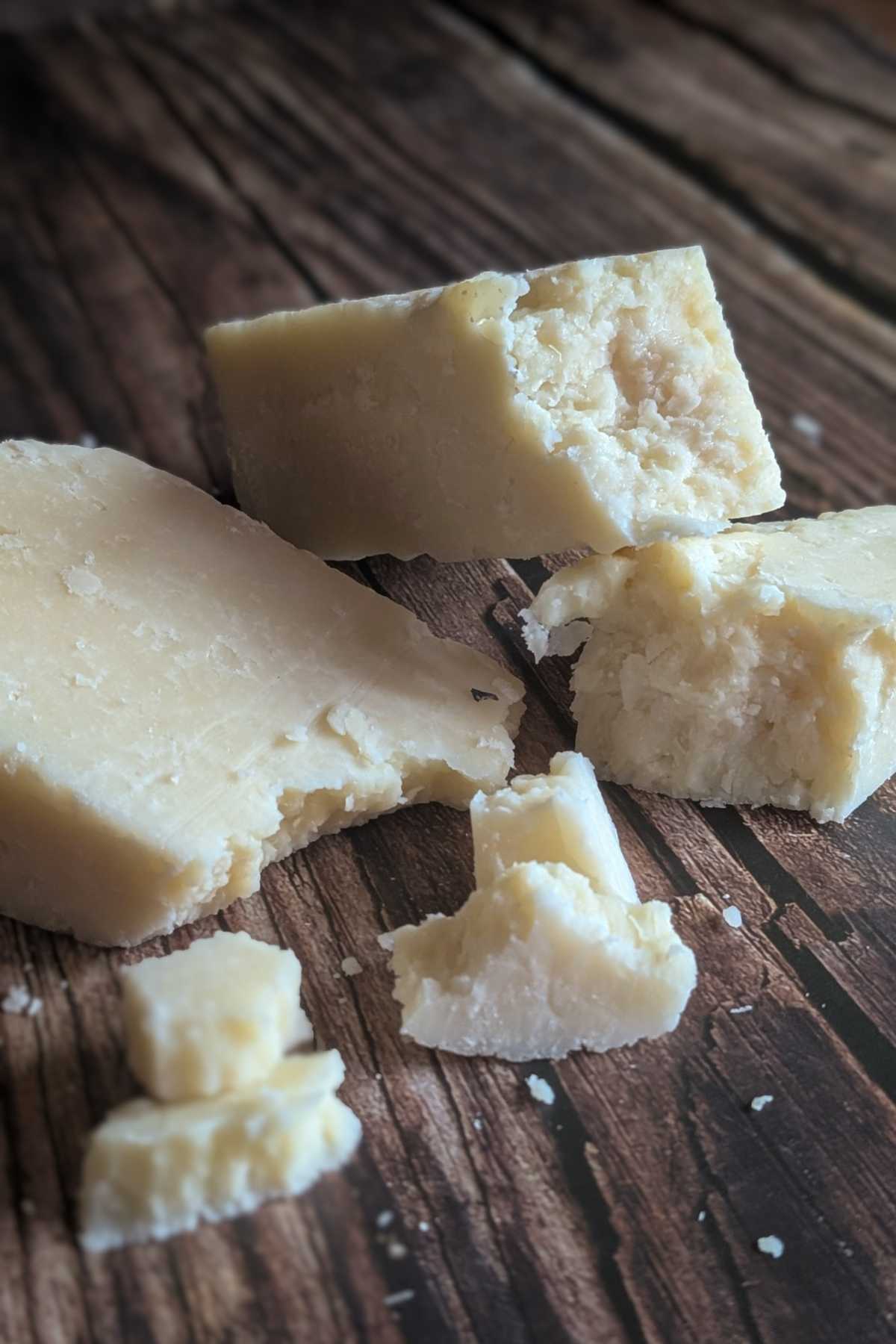
When young, Pecorino Romano has a slightly softer texture and a milder flavor. As it ages, the cheese becomes harder, more crumbly, and noticeably saltier. For this reason, cooks most often use it grated over pasta, where its intense flavor blends with other ingredients to create balanced sauces.
This distinctive character explains why Pecorino Romano has become the traditional cheese of many classic Roman pasta dishes.
The Origins of Pecorino Romano
Pecorino Romano has very ancient roots. Its history goes back more than two thousand years to the time of the Roman Empire.
Roman farmers and shepherds produced this cheese in the countryside around Rome. Sheep farming was common in central Italy, and sheep’s milk offered an ideal base for making durable, nutritious cheese.
Ancient Roman writers already mentioned Pecorino Romano. Historical sources describe how Roman soldiers carried it during long military campaigns. The cheese kept well over time and provided energy thanks to its high fat and protein content.
Over the centuries, Pecorino Romano remained an important part of rural life in central Italy. Shepherds produced it mainly in the Lazio region, especially in the countryside surrounding Rome.
Today most Pecorino Romano comes from Sardinia, while smaller quantities are still produced in Lazio and parts of Tuscany. Despite this geographic shift, the cheese continues to follow traditional methods protected by the DOP (Protected Designation of Origin) certification.
These strict production rules ensure that Pecorino Romano keeps the same character that made it famous centuries ago: a firm texture, a bold flavor, and a long aging process.
This deep connection with Roman history helps explain why Pecorino Romano remains the traditional cheese used in many classic Roman pasta recipes.
Why Pecorino Romano Is Essential in Roman Pasta
Pecorino Romano plays a central role in many traditional Roman pasta dishes. Its bold, salty flavor helps build sauces with just a few simple ingredients.
Roman cuisine often relies on strong flavors and simple techniques. Pecorino Romano fits perfectly into this style. When grated finely, it melts easily and blends with hot pasta and cooking water to create creamy sauces without the need for butter or cream.
This cheese forms the base of some of the most famous Roman pasta recipes. In Cacio e Pepe, Pecorino Romano combines with black pepper and pasta water to create a smooth and flavorful sauce. In Carbonara, it mixes with eggs and guanciale to give the dish its rich and savory character.
Pecorino Romano also appears in Amatriciana and Gricia, where it balances the intense flavor of guanciale and enhances the overall taste of the sauce.
Because of its strong taste and firm texture, cooks usually grate Pecorino Romano very finely. This helps it melt quickly and coat the pasta evenly.
For these reasons, Pecorino Romano has become the traditional cheese of Roman pasta. Its flavor defines the character of many dishes and gives them the distinctive taste of Roman cuisine.

Pecorino Romano vs Parmigiano Reggiano
Pecorino Romano and Parmigiano Reggiano are two of the most famous Italian cheeses. Both are hard cheeses often used grated over pasta, but they differ in several important ways.
The main difference lies in the type of milk. Pecorino Romano is made from sheep’s milk, while Parmigiano Reggiano comes from cow’s milk. This gives the two cheeses very different flavors.
Pecorino Romano has a stronger and saltier taste. Parmigiano Reggiano is milder and more balanced, with slightly nutty notes.
The texture also differs. Pecorino Romano is firmer and drier, which makes it ideal for grating over pasta. Parmigiano Reggiano has a more crumbly structure and often develops small crystals during aging.
Cooks often choose Pecorino Romano for traditional Roman pasta recipes such as Cacio e Pepe, Carbonara, and Amatriciana. Its intense flavor blends well with ingredients like guanciale, eggs, and black pepper.
Parmigiano Reggiano appears more often in dishes from northern Italy, where its milder flavor complements butter-based sauces, risottos, and vegetable dishes.
Both cheeses are excellent, but each plays a different role in Italian cooking.
How to Use Pecorino Romano in Cooking
Cooks most often use Pecorino Romano grated over pasta. Its strong, salty flavor blends easily with hot pasta and helps create simple but very flavorful sauces.
In Roman cuisine, cooks usually grate Pecorino Romano very finely. The fine texture allows the cheese to melt quickly when mixed with hot pasta and a small amount of cooking water. This technique creates creamy sauces without adding butter or cream.
Pecorino Romano works especially well in classic Roman pasta dishes. Recipes such as Cacio e Pepe, Carbonara, Amatriciana, and Gricia rely on its sharp flavor to balance ingredients like black pepper, eggs, tomato, or guanciale.
Beyond pasta, cooks also use Pecorino Romano in many other ways. They add it to soups, sprinkle it over roasted vegetables, or mix it into fillings for savory pies and baked dishes. Small shavings can also enhance salads or simple vegetable preparations.
Because Pecorino Romano has a strong taste, a small quantity often provides enough flavor for an entire dish. For this reason, cooks typically use it as a finishing ingredient rather than as the main component.
When grated fresh, Pecorino Romano releases its full aroma and gives many Italian dishes their distinctive savory character.
How to Store Pecorino Romano
Proper storage helps preserve the flavor and texture of Pecorino Romano for a long time.
After opening, wrap the cheese in parchment paper or wax paper. Then place it in an airtight container or a resealable bag and store it in the refrigerator. This method protects the cheese from excess moisture while allowing it to breathe slightly.
Avoid wrapping Pecorino Romano directly in plastic for long periods. Plastic can trap moisture and affect the texture of the cheese.
If the outer surface dries slightly over time, simply trim the thin outer layer before using the cheese.
Pecorino Romano keeps well in the refrigerator for several weeks, especially when stored in a cool and stable environment. Because it's a hard, aged cheese, it has a naturally long shelf life.
For the best flavor, grate Pecorino Romano just before using it. Freshly grated cheese melts better and releases its full aroma in pasta dishes and other recipes.


Leave a Reply