
Crostata is one of the most classic Italian homemade desserts. It's a rustic jam tart made with pasta frolla, the traditional Italian sweet shortcrust pastry, and filled with fruit jam.
The most traditional version is apricot crostata, often made at home for breakfast, snack time or as a simple dessert after a family meal. The buttery, crumbly crust and the sweet jam filling make it one of those recipes that every Italian family knows and loves.
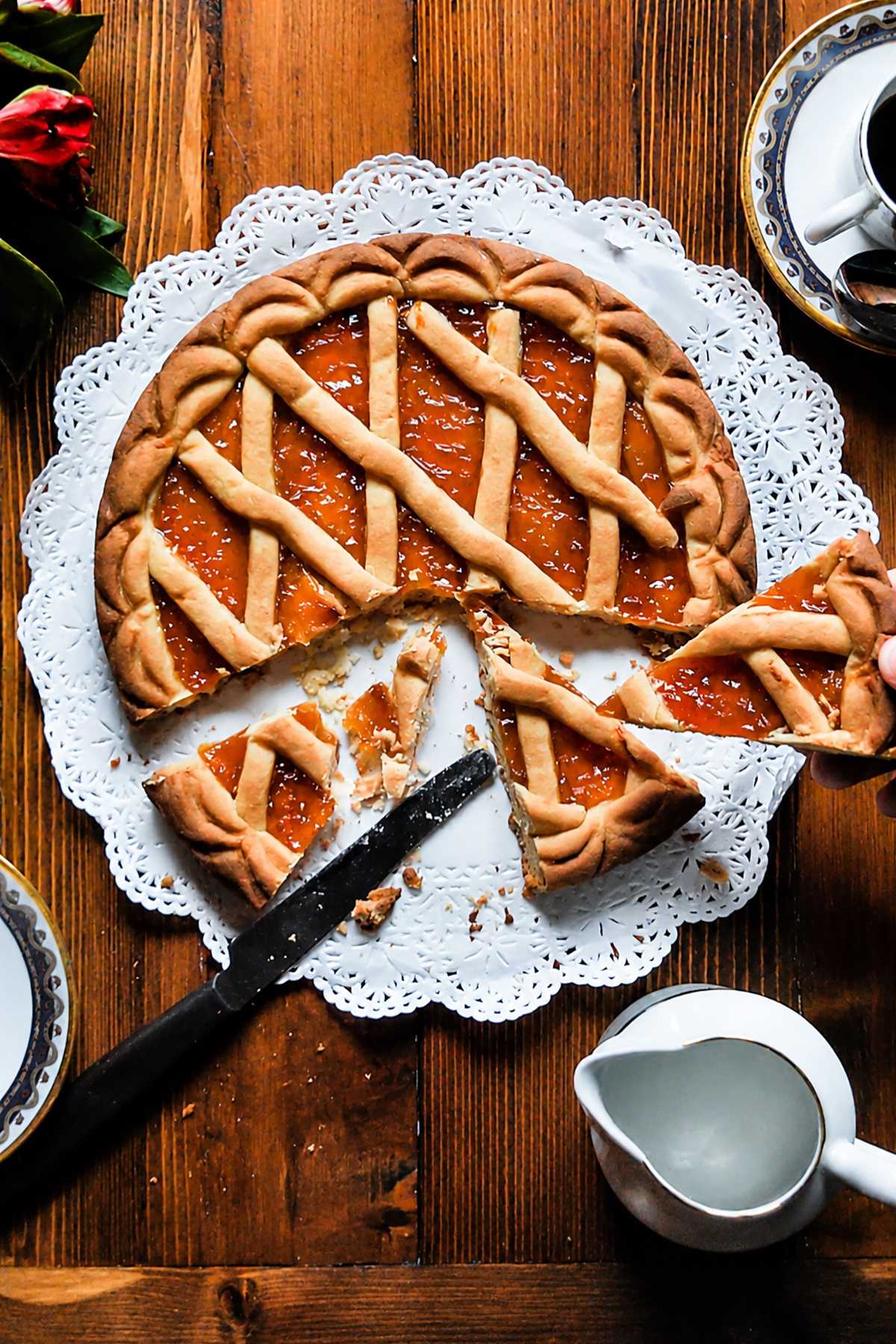
You can make crostata with many different fillings, from strawberry jam to fig jam, berry jam, chocolate, pastry cream, ricotta or fresh fruit. But the classic Italian jam crostata remains the simplest and most beloved version.
In this recipe, I’ll show you how to make traditional Italian crostata with homemade pasta frolla, a jam filling and the classic lattice top.
Jump to:
What Is Crostata?
Crostata is a traditional Italian tart made with pasta frolla and filled with jam, pastry cream, ricotta, chocolate or fresh fruit.
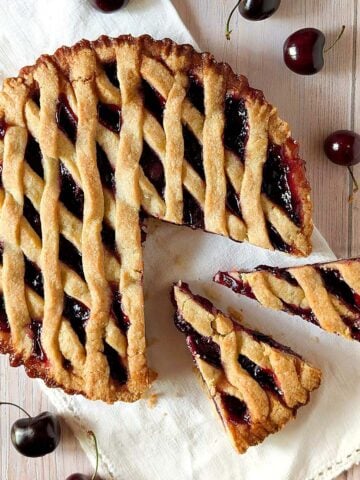
The most classic version is crostata alla marmellata, an Italian jam tart with a lattice top. It is usually made with apricot jam, although strawberry, cherry, peach, fig or berry jam are also very common.
Unlike a formal pastry tart, crostata is simple and rustic. It's a homemade dessert, often served for breakfast, as an afternoon snack or at the end of a family meal.
Here is the recipe for the authentic Italian crostata recipe.
Ingredients
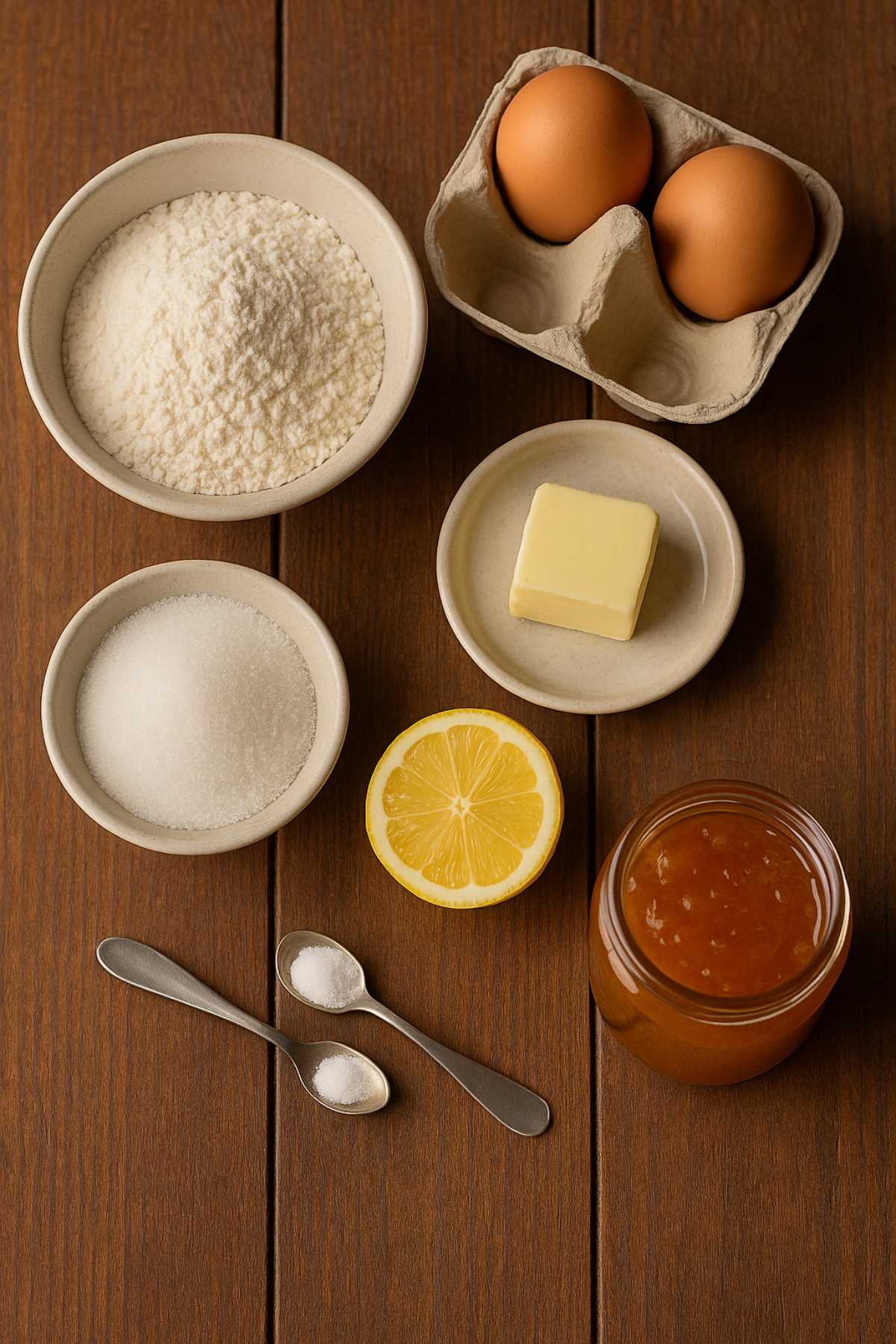
Prep Time: 30 Min | Chilling Time: 1 Hour | Cook Time: 30 Min | Servings: 6
For this recipe, you need a 22 cm (9-inch) tart pan with removable bottom.
For the Pasta Frolla
- 250 g (about 2 cups) Italian “00” flour
- 100 g (½ cup) granulated sugar
- 120 g (about 1 stick) cold unsalted butter, cut into small pieces
- 1 whole medium egg, at room temperature
- 1 medium egg yolk, at room temperature
- a pinch of fine salt
- zest of ½ organic lemon
The Filling
- 300 g (about 1 cup) apricot jam, or your favorite fruit jam
NOTE: Apricot jam is the most traditional filling for Italian crostata, but you can use many other fruit jams, such as strawberry, cherry, peach, fig or mixed berry jam. For the best result, choose a good-quality jam that is not too liquid. If the jam is very thick, stir it well with a spoon before spreading it over the pasta frolla shell.
How to Make Traditional Italian Crostata
Make the Pasta Frolla

Step 1) - Place the flour on a work surface and make a well in the center. Add the sugar, salt, lemon zest, the whole egg and the egg yolk.

Step 2) - Add the cold butter, cut into small pieces, and quickly work the ingredients with your fingertips. Knead just until the dough comes together into a smooth and compact ball. Do not overwork the dough, or the pasta frolla may become tough instead of crumbly.

Step 3) - Wrap the dough in plastic wrap and let it rest in the refrigerator for at least 1 hour. You can also make pasta frolla the day before and keep it in the refrigerator until ready to use.
For more detailed instructions, tips and step-by-step photos, see the complete pasta frolla recipe.
Assemble the Crostata

Step 4) - Take the chilled pasta frolla from the refrigerator. Cut off about one third of the dough, wrap it in plastic wrap and place it back in the refrigerator. You will use this piece to make the edge and the decorative lattice strips.
Roll out the remaining two thirds of pasta frolla on a lightly floured work surface to a thickness of about 4 to 5 mm, about ⅙ inch. Work quickly while the dough is still cold.

Step 5) - Place the rolled pasta frolla in a 22 cm (9-inch) tart pan with removable bottom, previously buttered and floured or lined with parchment paper.
Gently press the dough into the bottom and sides of the pan. Trim any excess dough from the edges.
Take the reserved pasta frolla from the refrigerator. Use part of it to make a long roll of dough, about as thick as a finger, and place it around the edge of the crostata.

Step 6) - Press it gently with your fingers to attach it to the bottom crust. Then decorate the edge with the tines of a fork or with the handle of the fork.
Spread the apricot jam over the bottom of the crostata with the back of a spoon.
You do not need to prick the bottom with a fork. The jam helps keep the pasta frolla from puffing up too much during baking.

Step 7) - With the remaining pasta frolla, make the lattice strips. You can roll out the dough and cut it into strips, or make small rolls of dough and gently flatten them with your hands.
Arrange the strips over the jam to create the classic lattice pattern, forming diamonds or squares. Press the ends of the strips well onto the edge of the crostata.
Bake the Crostata
Step 8) - Bake the crostata in a preheated conventional oven at 180°C (350°F) for about 30 minutes, or until the edges are golden and the jam is bubbling slightly.
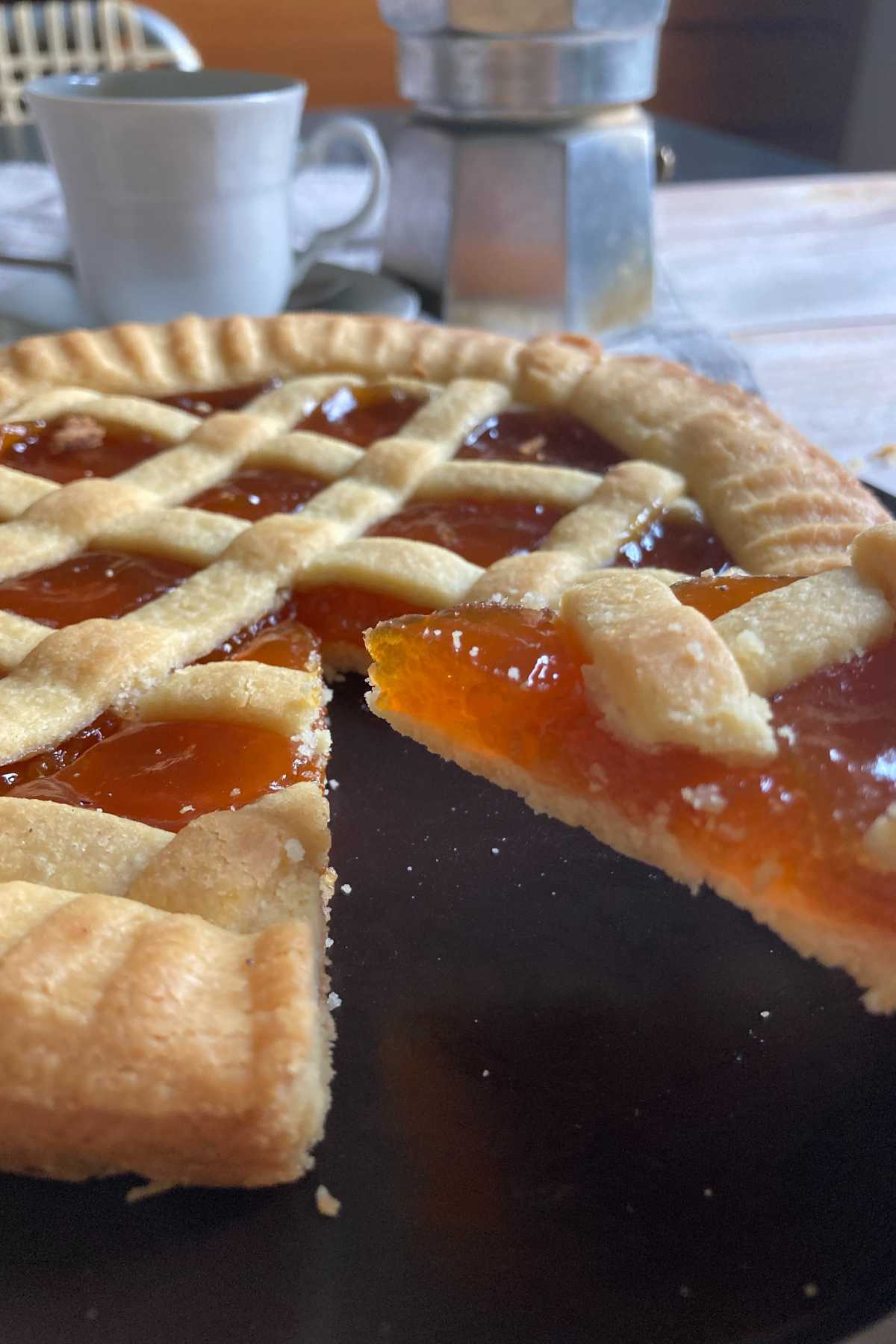
Remove the crostata from the oven and let it cool completely before serving. This resting time allows the jam to set and makes the crostata easier to slice.
Tips for the Best Italian Crostata
USE COLD PASTA FROLLA: Pasta frolla is much easier to work with when it's cold. If the dough becomes too soft while you are rolling it out or making the lattice strips, place it back in the refrigerator for a few minutes.
DO NOT OVERWORK THE DOUGH: Pasta frolla should be worked as little as possible. If you knead it too much, the gluten develops and the crust can become tough instead of tender and crumbly.
ROLL THE DOUGH EVENLY: For a traditional crostata, roll the pasta frolla to about 4 to 5 mm thick, about ⅙ inch. If the dough is too thin, it may break; if it is too thick, the crostata can become heavy.
USE GOOD-QUALITY JAM: Since the filling is very simple, the flavor of the jam is important. Apricot jam is the most traditional choice, but strawberry, cherry, peach, fig or berry jam also work very well.
AVOID VERY LIQUID JAM: If the jam is too runny, the filling may leak or make the crust too soft. Choose a jam with a thick texture. If needed, stir it well before spreading it over the pasta frolla.
DO NOT OVERFILL THE CROSTATA: A thin, even layer of jam is enough. Too much filling can bubble over during baking and make the crostata difficult to slice.
SEAL THE LATTICE STRIPS WELL: Press the ends of the strips gently onto the edge of the crostata. This helps them stay in place while baking.
BAKE UNTIL GOLDEN: The crostata is ready when the edges are golden and the jam is slightly bubbling. If the crust is still pale, bake it a few minutes longer.
LET IT COOL BEFORE SLICING: Let the crostata cool completely before cutting it. As it cools, the jam sets and the slices will be cleaner.
How to Store Crostata
Italian crostata keeps well at room temperature for about 3 to 4 days. Cover it with plastic wrap or keep it under a cake dome to prevent the pasta frolla from drying out.
Actually, crostata is often even better the next day, when the crust has had time to soften slightly and the jam has settled.
If the weather is very hot, store the crostata in the refrigerator, preferably in the least cold part. Before serving, let it sit at room temperature for about 20 to 30 minutes, so the pasta frolla becomes more fragrant and crumbly again.
You can also freeze baked crostata for up to 2 months. For best results, freeze it already cut into slices. This way, it will be easier to store and you can thaw only the slices you need.
Let the slices thaw at room temperature before serving.
How to Decorate an Italian Crostata
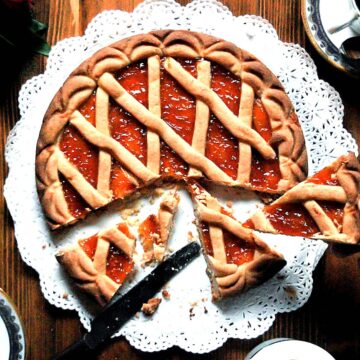
The classic Italian crostata is usually decorated with a lattice top, made with strips of pasta frolla arranged over the jam filling. This is the most traditional decoration, especially for crostata alla marmellata.
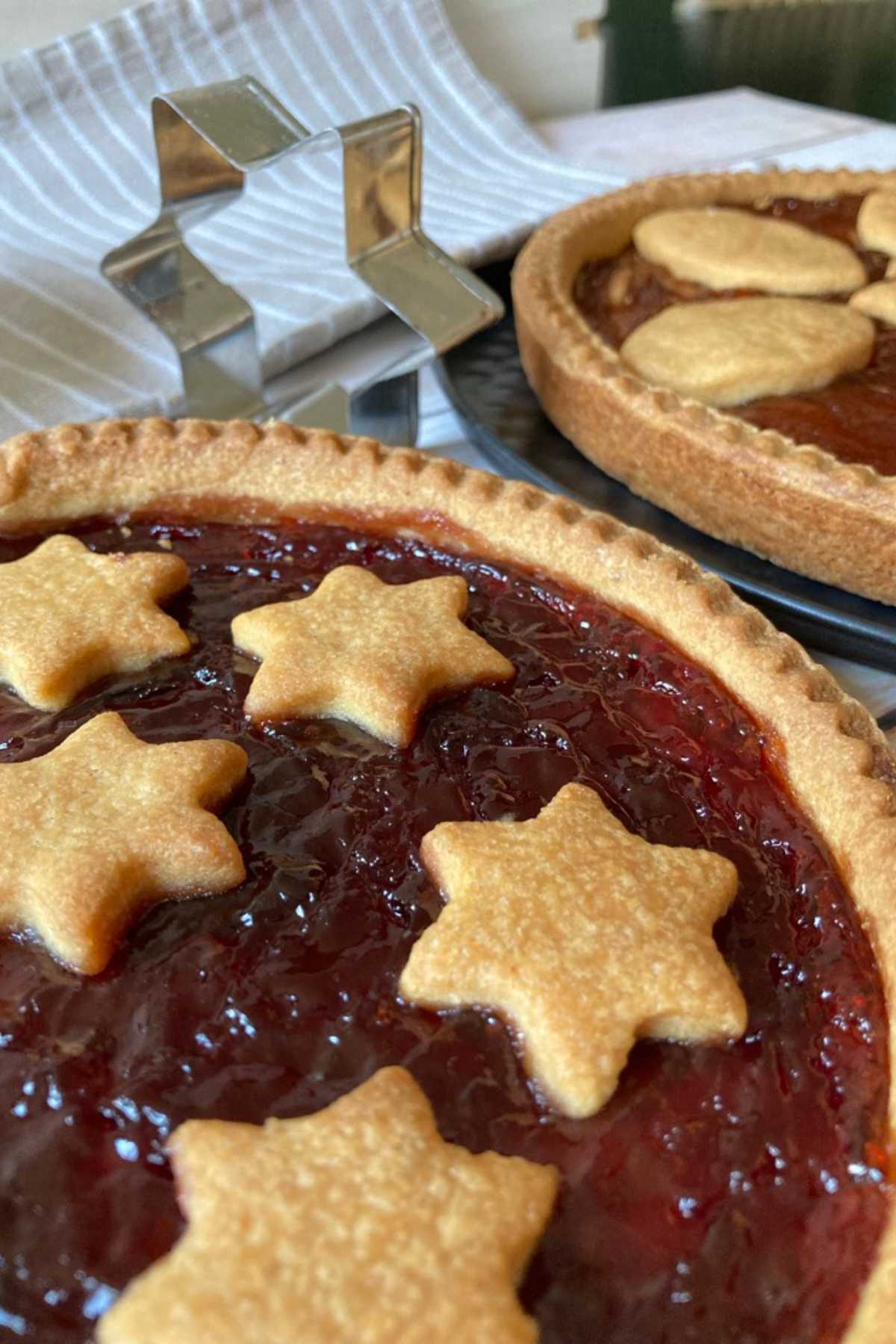
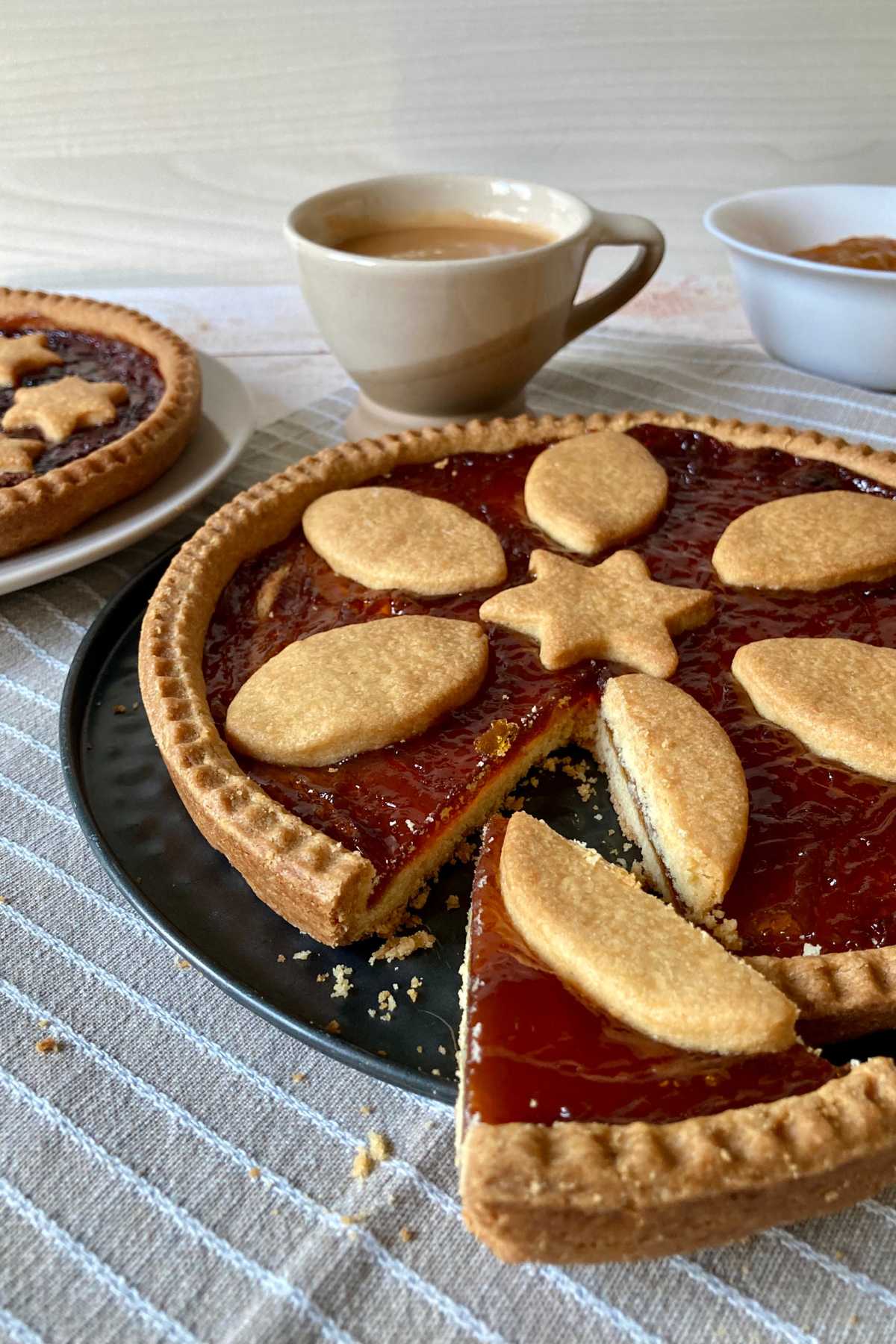
However, you can decorate crostata in many other simple ways. One of the easiest is to make a pasta frolla shell, fill it with jam and decorate only the surface with small shapes cut from the remaining dough.

Roll out the reserved pasta frolla and use cookie cutters to cut out stars, hearts, flowers or any shape you like. Place them gently over the jam, leaving some space between them so the filling remains visible.
You can also decorate the edge of the crostata by pressing it with the tines of a fork or by folding the pastry slightly over the filling. Bake the crostata following the same instructions, until the crust is golden and the jam is bubbling slightly.
This is a fun and easy way to personalize Italian crostata for different occasions, such as birthdays, holidays or a simple family breakfast.
Crostata Filling Variations
The classic Italian crostata is made with fruit jam. Apricot jam is one of the most traditional choices, but you can use many other flavors depending on the season and your taste.
OTHER FRUIT JAMS: Strawberry, cherry, peach, fig, raspberry, blueberry and mixed berry jams all work very well. Choose a good-quality jam with a thick texture, so it does not become too runny while baking.
CHOCOLATE FILLING: For a richer version, you can fill the pasta frolla shell with chocolate spread or chocolate pastry cream. This makes a delicious chocolate crostata, perfect for a more indulgent dessert.
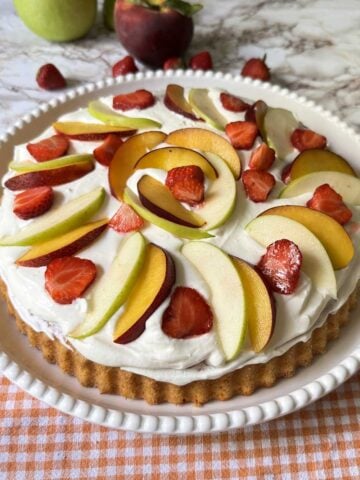
PASTRY CREAM AND FRESH FRUIT: You can also use pasta frolla to make a classic Italian fruit tart. In this case, the tart shell is usually baked empty, then filled with crema pasticcera and topped with fresh seasonal fruit.
RICOTTA FILLING: Another traditional variation is crostata with ricotta cream. The ricotta filling can be flavored with lemon zest, vanilla, chocolate chips or a little liqueur, depending on the recipe.
More Crostata Recipes to Try
Once you know how to make a classic Italian crostata, you can use the same pasta frolla base to prepare many other Italian tarts, from fresh fruit crostate to chocolate, almond and ricotta versions.
- Fresh Cherry Crostata: a rustic summer crostata made with fresh cherries and a lattice crust.
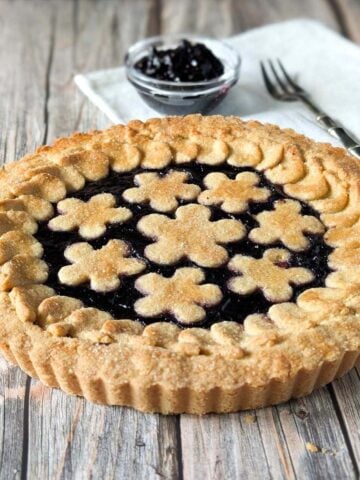
- Blueberry Jam Crostata Recipe, with buttery pasta frolla and sweet blueberry jam.
- Italian Fruit Tart: a classic crostata di frutta filled with crema pasticcera and topped with fresh seasonal fruit.
- White Chocolate Fruit Tart: a creamy and elegant fruit tart with white chocolate filling.
- Soft Fruit Tart with Yogurt Cream: a lighter fruit tart with a soft base and fresh yogurt cream.
- Fresh Fig and Ricotta Tart: a late-summer crostata with fresh figs and a creamy ricotta filling.
- Italian Chocolate Tart: a rich chocolate crostata made with a buttery cpasta frolla crust.
- Crostata di Mandorle: an Italian almond tart with a soft, fragrant filling.
- Italian Grape Tartlets: small tartlets filled with pastry cream and fresh grapes.
A Brief History of Crostata
The history of crostata is a mix of tradition, old pastry techniques and popular legends. In ancient cookbooks, the word “crostata” was often used for both sweet and savory pies, while the sweet jam tart we know today became more common as sugar and fruit preserves became part of Italian baking.
During the Renaissance, pastry-based desserts were already very important in Italian cooking. Bartolomeo Scappi, one of the most famous Italian cooks of the sixteenth century, published his Opera in Venice in 1570. The fifth book of his work includes pasticci, crostate, torte and other sweet preparations, showing how central these desserts had become in Italian cuisine.
There are also many legends surrounding crostata. One says that the lattice strips of pasta frolla recall the grates behind which cloistered nuns attended religious services. Another popular story says that a sweet tart was able to make Queen Maria Theresa of Austria, wife of Ferdinand II of Bourbon, smile, despite being known as “the queen who never smiles.”
Today, crostata remains one of the most beloved homemade desserts in Italy. Simple, rustic and endlessly adaptable, it's the kind of cake that brings a smile to the table, whether made with apricot jam, cherry jam, ricotta, chocolate or fresh fruit.
FAQ
Crostata is an Italian tart, but it is usually more rustic and homemade in style. It is made with pasta frolla, the Italian sweet shortcrust pastry, and is often decorated with a lattice top or simple pastry shapes.
Yes. Crostata is a great make-ahead dessert. In fact, it is often even better the next day, when the crust has softened slightly and the jam has settled.
Crostata can break if it is sliced while still warm. Let it cool completely before cutting, so the jam has time to set and the pasta frolla becomes firm enough to slice cleanly.
Apricot jam is one of the most traditional fillings for Italian crostata. However, strawberry, cherry, peach, fig, raspberry and mixed berry jams also work very well. Choose a good-quality jam with a thick texture.
Recipe Card
Traditional Italian Crostata Recipe (Italian Jam Tart)

Ingredients
For the Pasta Frolla:
- 250 g Italian “00” flour - 2 cups
- 100 g granulated sugar - ½ cup
- 120 g cold unsalted butter - about 1 stick, cut into small pieces
- 1 whole medium egg - at room temperature
- 1 egg yolk - at room temperature
- 1 pinch fine salt
- ½ organic lemon zest
For the Filling:
- 300 g apricot jam, or your favorite fruit jam - about 1 cup
Instructions
Make the Pasta Frolla
- Place the flour on a work surface and make a well in the center. Add the sugar, salt, lemon zest, the whole egg and the egg yolk.
- Add the cold butter, cut into small pieces, and quickly work the ingredients with your fingertips. Knead just until the dough comes together into a smooth and compact ball. Do not overwork the dough, or the pasta frolla may become tough instead of crumbly.
- Wrap the dough in plastic wrap and let it rest in the refrigerator for at least 1 hour. You can also make pasta frolla the day before and keep it in the refrigerator until ready to use.
Assemble the Crostata
- Take the chilled pasta frolla from the refrigerator. Cut off about one third of the dough, wrap it in plastic wrap and place it back in the refrigerator. You will use this piece to make the edge and the decorative lattice strips.Roll out the remaining two thirds of pasta frolla on a lightly floured work surface to a thickness of about 4 to 5 mm, about ⅙ inch. Work quickly while the dough is still cold.
- Place the rolled pasta frolla in a 22 cm (9-inch) tart pan with removable bottom, previously buttered and floured or lined with parchment paper.Gently press the dough into the bottom and sides of the pan. Trim any excess dough from the edges.Take the reserved pasta frolla from the refrigerator. Use part of it to make a long roll of dough, about as thick as a finger, and place it around the edge of the crostata.
- Press it gently with your fingers to attach it to the bottom crust. Then decorate the edge with the tines of a fork or with the handle of the fork.Spread the apricot jam over the bottom of the crostata with the back of a spoon.You do not need to prick the bottom with a fork. The jam helps keep the pasta frolla from puffing up too much during baking.
- With the remaining pasta frolla, make the lattice strips. You can roll out the dough and cut it into strips, or make small rolls of dough and gently flatten them with your hands.Arrange the strips over the jam to create the classic lattice pattern, forming diamonds or squares. Press the ends of the strips well onto the edge of the crostata.
- Bake the crostata in a preheated conventional oven at 180°C (350°F) for about 30 minutes, or until the edges are golden and the jam is bubbling slightly.Remove the crostata from the oven and let it cool completely before serving. This resting time allows the jam to set and makes the crostata easier to slice.
Notes
- Doses for about 500 g (1.1 pound) of Pasta Frolla for a crostata in a tart pan of about 22 cm (9 inch) in diameter
- The heat of your hands can melt the butter too much and alter the final flavor of the pasta frolla. So BEFORE KNEADING, here 2 useful TIPS: 1) put your hands under cold-ice water then dry them well; 2) use a marble pastry board. It's really important not to heat the pasta frolla dough too much!
- It's not necessary to pierce the bottom of the tart with a fork. The weight of the jam does not allow the cake to swell during cooking.
- You can decorate your crostata in a more original or specific way, for differt occasions. For another type of decoration read the paragraph above "How to Decorate an Italian Crostata".

Leave a Reply