
This Italian olive oil cake is a simple, homemade dessert made with extra virgin olive oil instead of butter. Soft, moist, and delicately flavored with lemon zest, it's the kind of cake that Italian families love to enjoy for breakfast or an afternoon snack.
Made with everyday ingredients like eggs, sugar, flour, milk, and good-quality olive oil, this easy olive oil cake takes just 15 minutes to prepare. The olive oil gives it a wonderfully tender texture that stays soft for days, along with a delicate Mediterranean flavor.
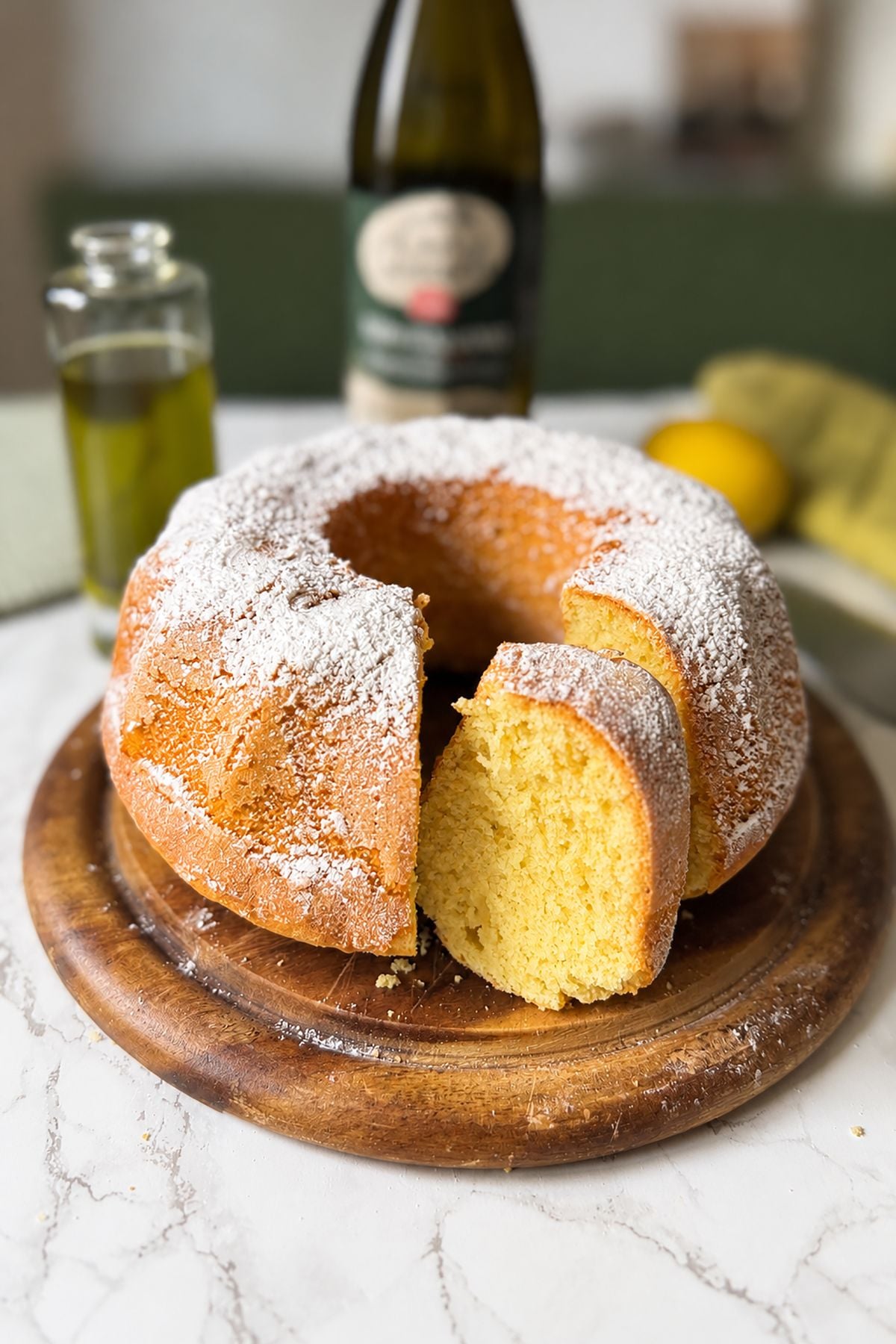
In some ways, it reminds me of Torta Paradiso, the traditional cake from Lombardy known for its buttery flavor and light, delicate texture. While butter has long played an important role in Northern Italian baking, olive oil has traditionally been more common in the kitchens of Central and Southern Italy. This cake reflects that simple, rustic tradition of making delicious desserts with local ingredients.
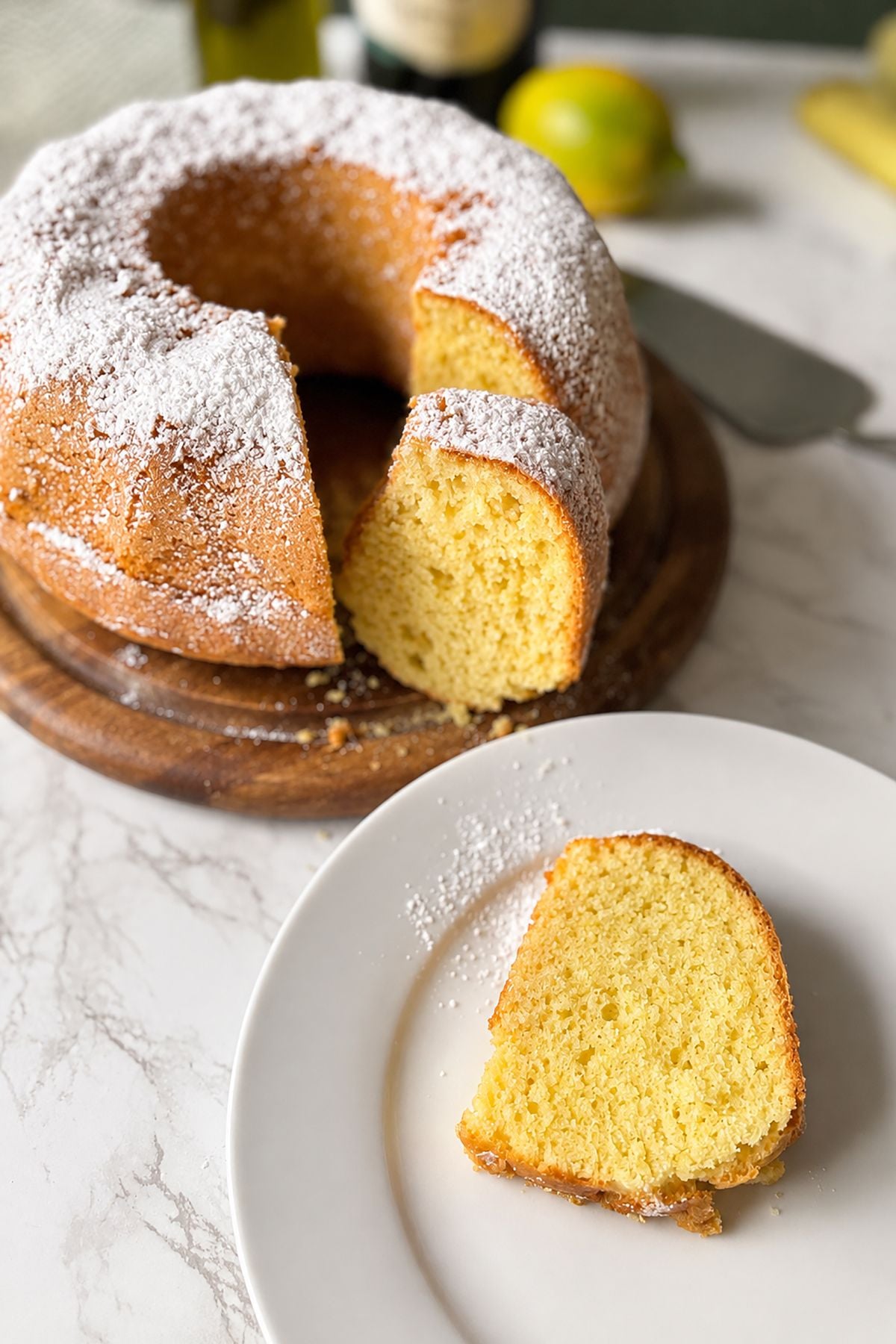
Enjoy this homemade olive oil cake with a generous dusting of powdered sugar, or use it as a base for your favorite jam or sweet spread. It's perfect with a morning coffee, a cup of tea, or a glass of milk.
With its golden crust, soft crumb, and comforting aroma, this is one of those old-fashioned Italian cakes that brings to mind Grandma's kitchen: simple, fragrant, and made to be shared.
Jump to:
Why This Recipe Works
- Extra virgin olive oil instead of butter: Olive oil gives the cake a tender, moist texture that stays soft for days. It also adds a delicate fruity flavor without making the cake taste heavy.
- A combination of flour and potato starch: The potato starch helps create a finer, softer crumb, giving this simple homemade cake a wonderfully light texture.
- Well-beaten eggs and sugar: Whipping the eggs with the sugar incorporates air into the batter, helping the cake rise and become fluffy.
- Simple ingredients and easy preparation: With just a few pantry staples and 15 minutes of prep time, you can make a delicious Italian cake. Fresh lemon zest adds a subtle citrus aroma that pairs beautifully with the olive oil.
Ingredients
Prep Time: 15 Min | Cook Time: 40 Min | Servings: 8
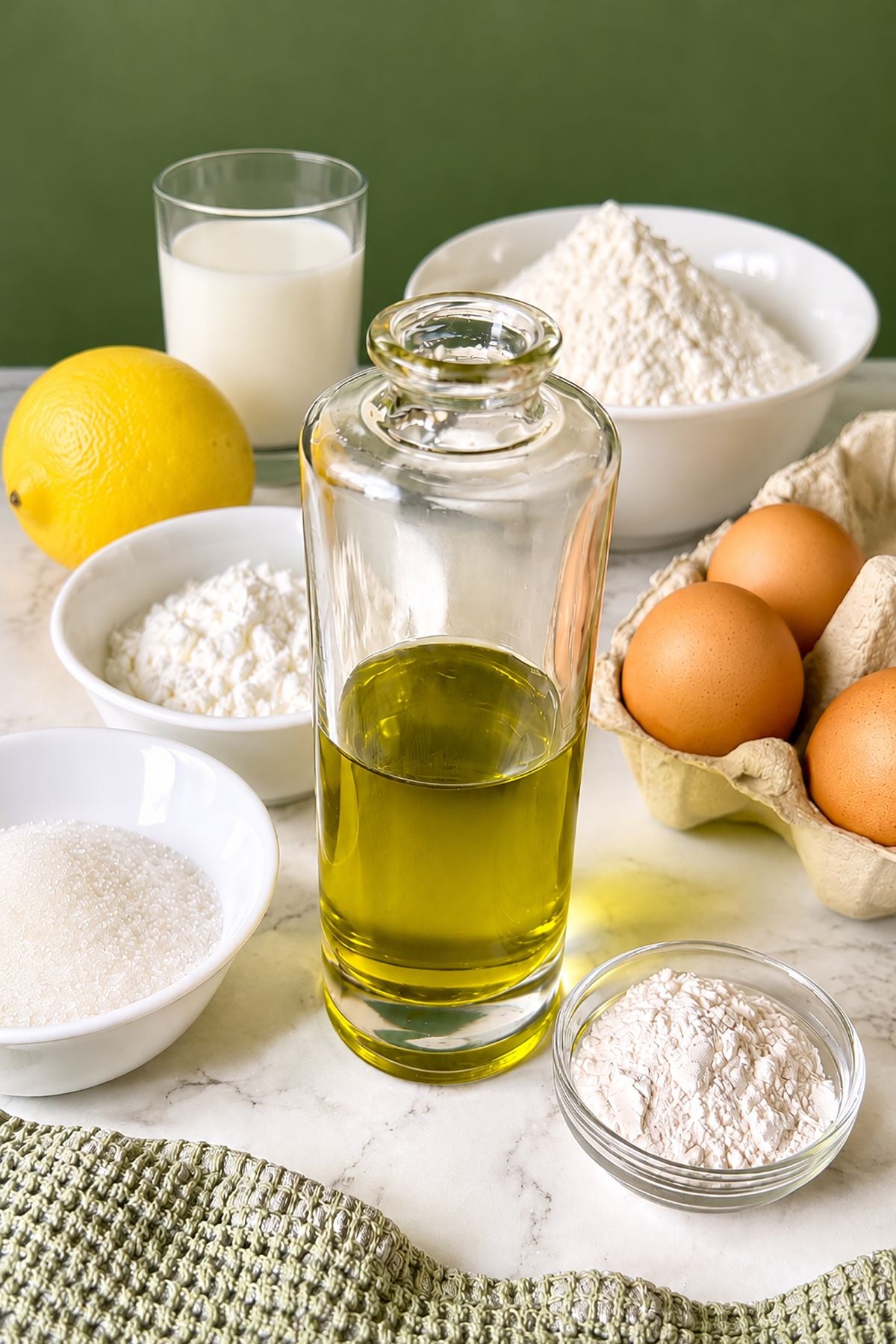
These quantities are suitable for a 22 cm (9-inch) round cake pan with a removable bottom or a ring-shaped cake pan (tube pan) of approximately the same diameter.
- 3 medium eggs, at room temperature
- 120 g (½ cup + 1 tablespoon) granulated sugar
- 80 ml (⅓ cup) extra virgin olive oil, preferably mild or medium-fruity, with a delicate flavor and no strong bitter notes
- 100 ml (⅓ cup + 1 tablespoon) whole milk, at room temperature
- 200 g (1⅔ cups) Italian 00 flour or all-purpose flour
- 50 g (about ⅓ cup) potato starch or cornstarch
- 16 g (4 teaspoons) baking powder
- Finely grated zest of 1 organic lemon
- Powdered sugar, for dusting
Kitchen Tools and Equipment
You don't need any special equipment to make this Italian olive oil cake. Here are the kitchen tools I recommend:
- Food processor: Useful for beating the eggs and sugar until light and fluffy and mixing in the remaining ingredients. I used my KitchenAid food processor, but an electric hand mixer works well too.
- Grater or zester: A fine zester is ideal for grating the lemon zest without removing the bitter white pith underneath.
- Cake pan: You can use a 22 cm (9-inch) round cake pan with a removable bottom or a similarly sized ring-shaped pan. I used a nonstick carbon steel cake pan with fluted sides, approximately 20–22 cm (8–9 inches) in diameter.
- Fine-mesh sieve: A fine-mesh sieve is useful for sifting the flour, starch, and baking powder together. You can also use it to dust the finished cake evenly with powdered sugar.
How to Make Italian Olive Oil Cake
Make the Batter
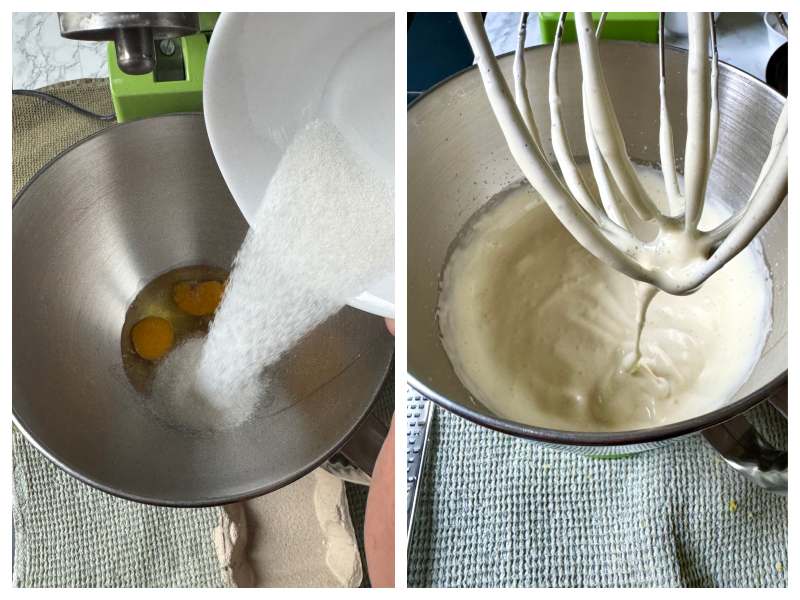
Step 1) - Crack the eggs into the bowl of a food processor and add the sugar. Beat for about 5 minutes, until the mixture becomes pale, light, and fluffy and has noticeably increased in volume.
This step helps incorporate plenty of air into the batter, making the cake soft and airy.
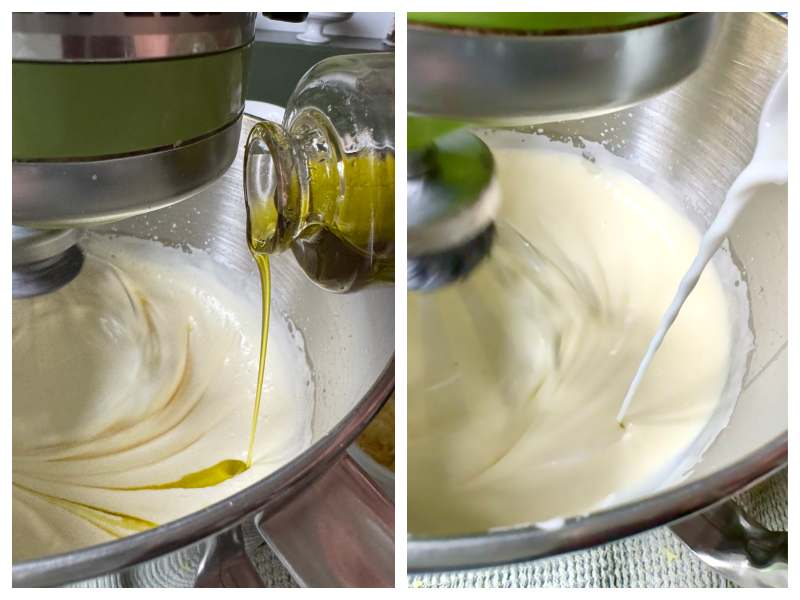
Step 2) - Slowly pour in the extra virgin olive oil while mixing, then add the milk. Continue mixing until well combined.
Note: For a well-balanced flavor, I recommend using a mild or medium-fruity extra virgin olive oil. An oil with a very strong or bitter flavor may overpower the delicate taste of the cake.
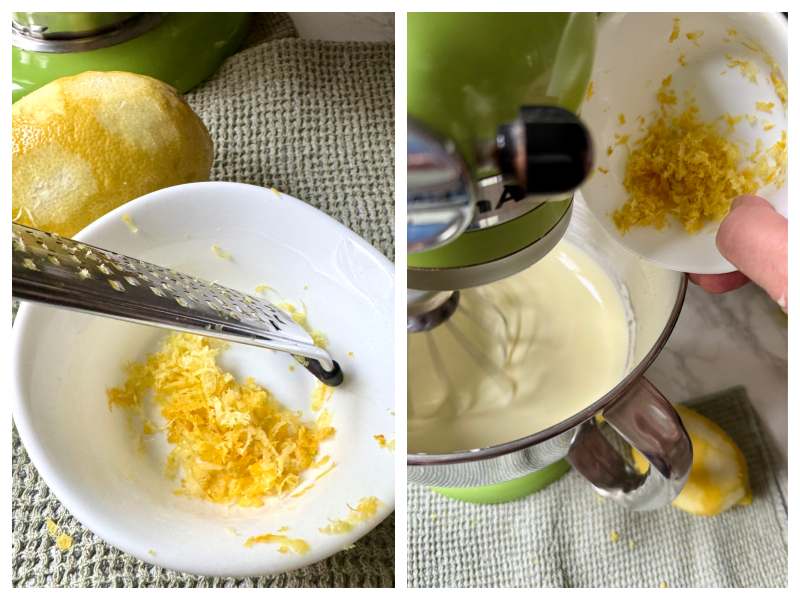
Step 3) - Wash and dry the organic lemon, then finely grate the zest. Be careful to grate only the yellow outer layer, avoiding the white pith underneath, which can taste bitter.
Add the grated lemon zest to the mixture and mix well to distribute it evenly throughout the batter.
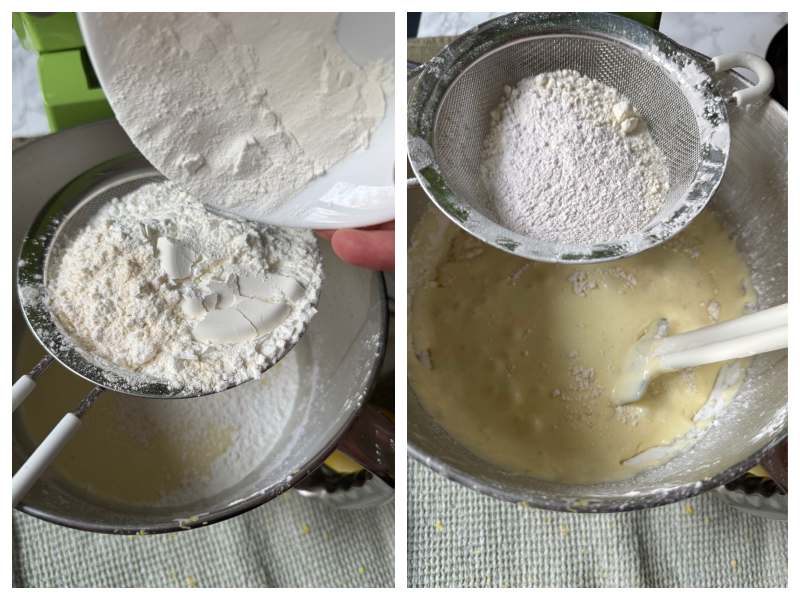
Step 4) - Sift together the flour, potato starch (or cornstarch), and baking powder. Gradually add the dry ingredients to the mixture in several batches, mixing until everything is well incorporated and the batter is smooth and free of lumps.
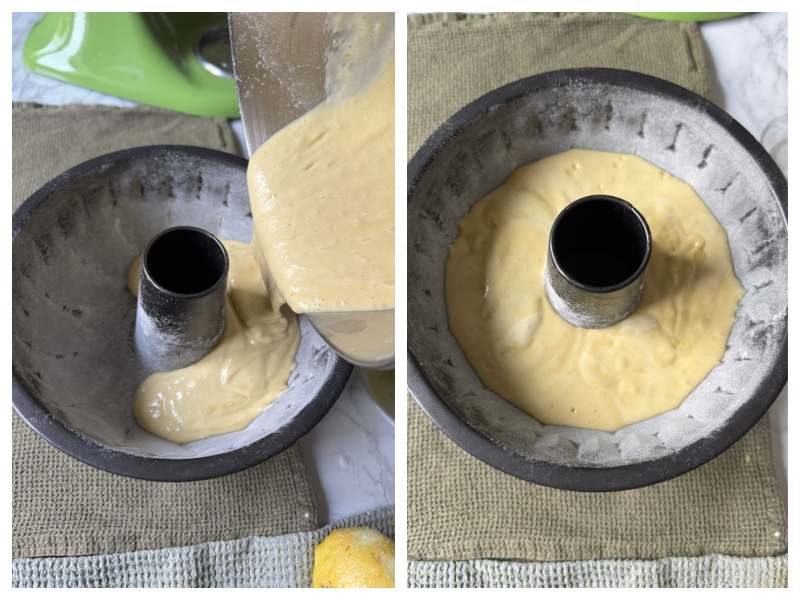
Step 5) - Take a 20 cm (8-inch) round cake pan with a removable bottom or a similarly sized ring-shaped cake pan. Brush it with a little olive oil, then dust it with flour, shaking off any excess.
Pour the batter into the prepared pan.
Bake and Serve
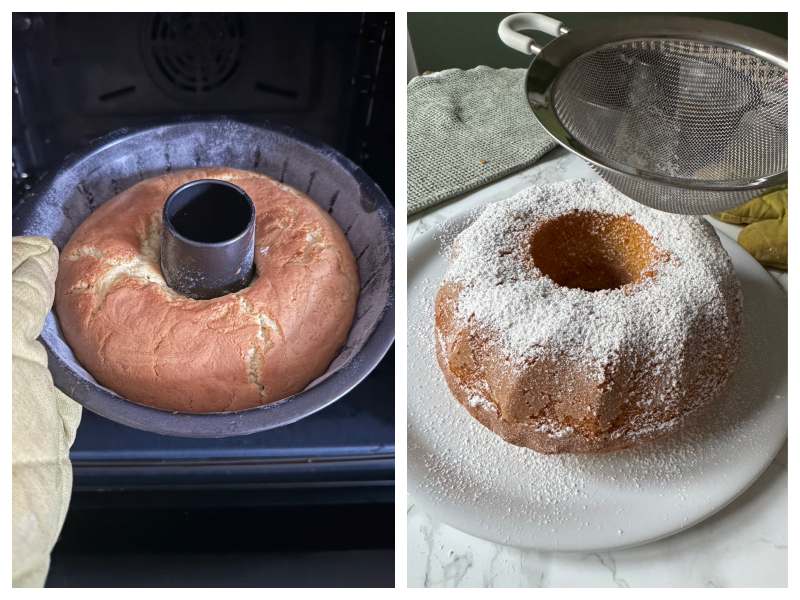
Step 6) - Bake in a preheated convection oven at 170°C (340°F) for about 40 minutes. If using a conventional oven, increase the temperature to 180°C (350°F) and bake for an additional 5–10 minutes.
Before removing the cake from the oven, insert a toothpick into the center to check for doneness. If it comes out clean, the cake is ready.
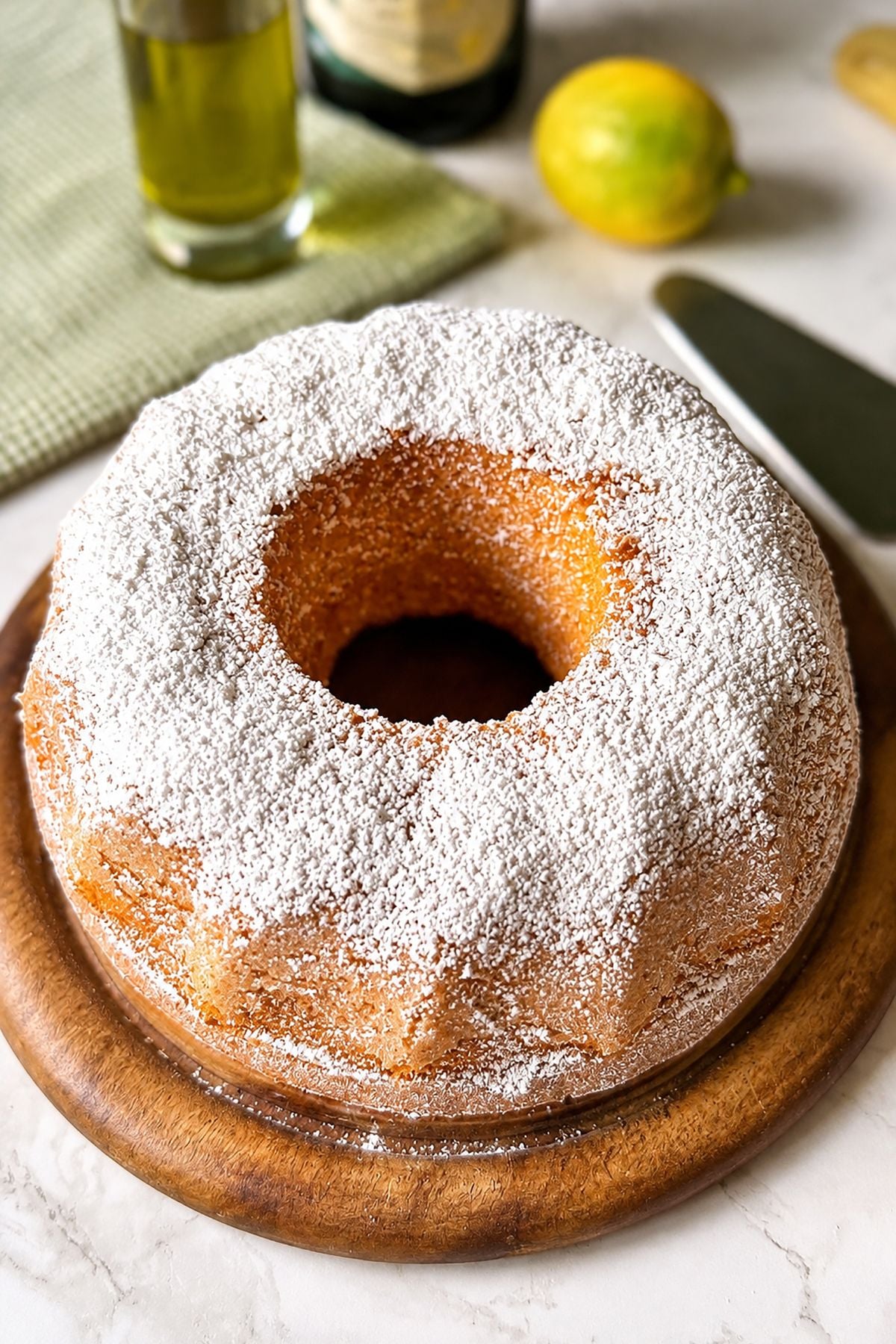
Let the cake cool completely, then carefully remove it from the pan. Dust generously with powdered sugar before serving.
Tips for Making the Best Italian Olive Oil Cake
This Italian olive oil cake is easy to prepare, but a few simple tips will help you get a soft, fluffy texture and a delicate, well-balanced flavor every time.
- Choose the right extra virgin olive oil. The flavor of the oil makes a real difference in this cake. Choose a mild or medium-fruity extra virgin olive oil with a delicate taste. Avoid very intense, peppery, or bitter oils, as their flavor may be too strong for a sweet cake.
- Beat the eggs and sugar thoroughly. Don't rush this step! Beating them for about 5 minutes until pale, thick, and fluffy incorporates air into the mixture and helps give the cake its light texture.
- Sift the dry ingredients. Sifting the flour, potato starch, and baking powder helps eliminate lumps and distribute the baking powder evenly throughout the batter. Once incorporated, avoid mixing longer than necessary.
- Use fresh lemon zest. Freshly grated lemon zest adds a wonderful fragrance without overpowering the olive oil. Remember to grate only the yellow part of the peel, avoiding the bitter white pith.
- Grease the cake pan carefully. This is particularly important if you're using a ring-shaped pan with fluted sides. Make sure to grease the grooves and the area around the central tube so the cake releases easily.
- Check the cake before removing it from the oven. Oven temperatures can vary, so use the toothpick test to check that the center is fully baked. Let the cake cool completely before dusting it with powdered sugar, otherwise the sugar will quickly dissolve into the surface.
Italian Olive Oil Cake Variations
One of the best things about this Italian olive oil cake is how versatile it is. Its delicate flavor makes it a wonderful base for experimenting with different ingredients, from citrus fruits to chocolate and nuts.
Here are some delicious variations to try:
- Extra lemon flavor: If you prefer a more pronounced lemon taste, add the juice of half a lemon along with the grated zest.
- Orange olive oil cake: Replace the lemon zest with freshly grated orange zest, or combine both for a more fragrant citrus flavor.
- Chocolate chips: Fold in 100–120 g (about ⅔ cup) of chocolate chips or chopped chocolate for a richer, more indulgent cake.
- Chocolate olive oil cake: Replace 30 g of all-purpose flour with 30 g of unsweetened cocoa powder for a delicious chocolate version.
- Fresh fruit: Add diced apples, pears, or apricots to make the cake even more flavorful and moist. These fruits pair beautifully with the delicate taste of olive oil.
- Nuts and raisins: For a more rustic Italian-style cake, add chopped walnuts, almonds, or hazelnuts, along with a handful of raisins.
A useful tip: To maintain a good balance in the batter, I recommend keeping additional dry ingredients, such as chocolate, nuts, or raisins, to around 100–150 g in total. If you're using fresh fruit, add no more than 200 g.
Keep in mind that these additions may slightly change the cake's texture and baking time, so always check for doneness with a toothpick.
How to Store Italian Olive Oil Cake
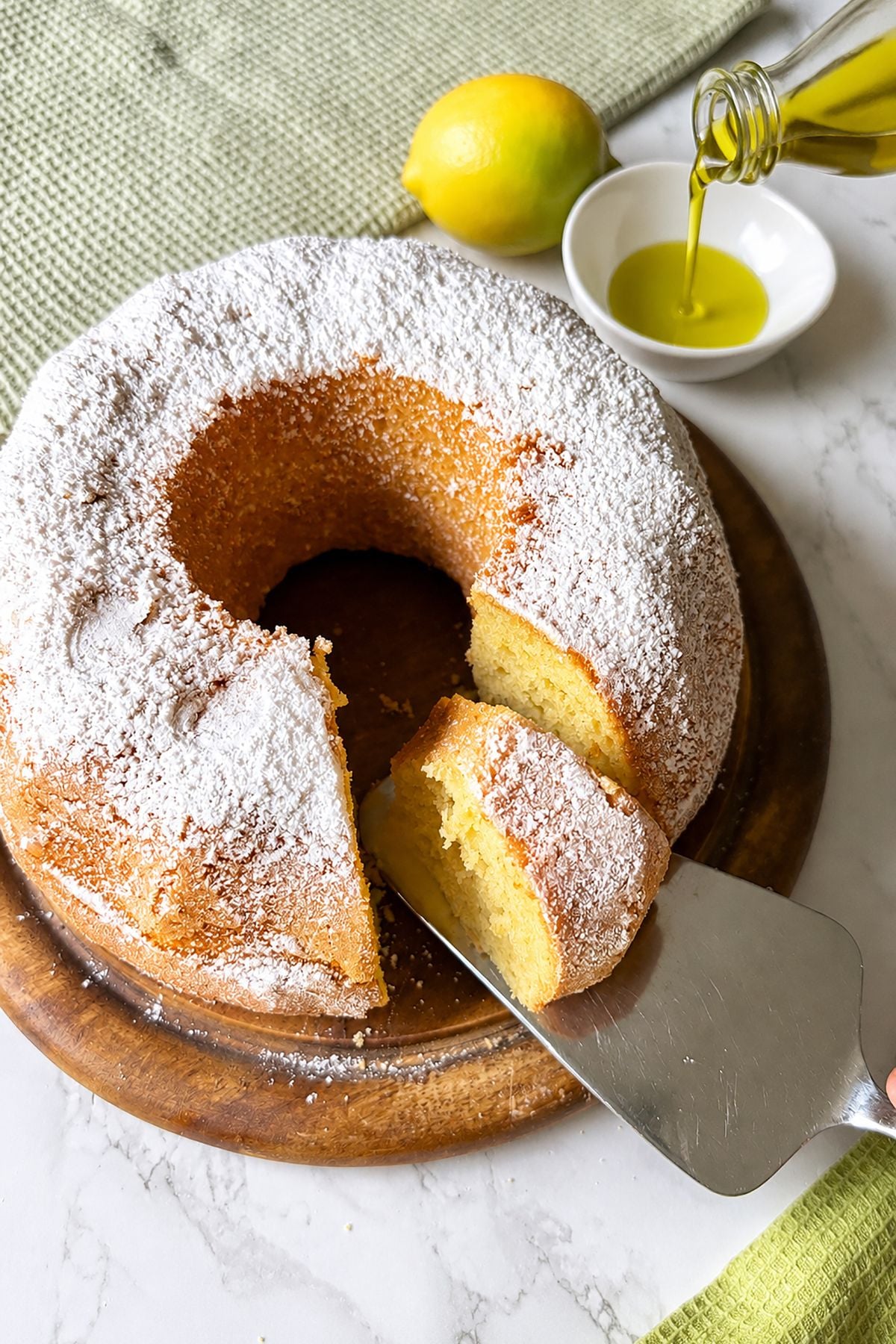
This Italian olive oil cake stays soft and moist for up to 4–5 days when stored properly.
Once completely cooled, keep it under a cake dome or wrap it tightly in plastic wrap to prevent it from drying out. Store it at room temperature in a cool, dry place, away from direct sunlight.
One of the advantages of baking with extra virgin olive oil is that it helps the cake retain its moisture, keeping the crumb tender and soft even after a few days.
There's no need to refrigerate the cake under normal conditions. In fact, storing it at room temperature helps preserve its soft texture.
Frequently Asked Questions
Absolutely! You can replace the 100 ml of cow's milk with the same amount of almond milk, oat milk, or another unsweetened plant-based milk. You can also use water, although the flavor may be slightly less rich.
For a citrus twist, try replacing some of the milk with freshly squeezed orange juice. I wouldn't recommend replacing all the milk with lemon juice, as its acidity could overpower the delicate flavor of the cake.
One of the most important steps in this recipe is beating the eggs and sugar until pale, thick, and fluffy. This takes about 5 minutes and incorporates air into the batter, helping the cake rise and develop a light texture.
Also, make sure your baking powder is fresh and active. Avoid overmixing once you've added the flour, and always bake the cake in a properly preheated oven. Opening the oven door too early can also cause the cake to sink before its structure has set.
Both olive oil and vegetable oil work well in baking, but I prefer extra virgin olive oil for its delicate fruity flavor, natural antioxidants, and connection to Italian culinary traditions.
Unlike neutral-flavored vegetable oils, extra virgin olive oil adds a distinctive aroma to homemade cakes. The key is choosing the right variety: oils from Liguria or Lake Garda are often milder, while those from Tuscany or Puglia can be more intense and peppery.
For this cake, I recommend a mild or medium-fruity extra virgin olive oil that complements the lemon zest without overpowering it. Both types of oil can be part of a balanced diet, so the choice is mainly about flavor and personal preference.
More Italian Desserts Made with Olive Oil
If you enjoy baking with olive oil, here are some more delicious Italian desserts to try. From homemade fruit cakes to traditional cookies, these recipes show just how versatile olive oil can be in sweet baking.
- Italian Peach Cake with Yogurt – A soft summer cake made with fresh peaches, yogurt, and mild olive oil.
- Chocolate Pear Cake – A rich, moist cake combining juicy pears, dark chocolate, cocoa, and olive oil.
- Soft Pumpkin Chocolate Chip Cookies – Tender, butter-free cookies made with pumpkin, extra virgin olive oil, and chocolate chips.
- Castagnaccio (Tuscan Chestnut Cake) – A rustic Tuscan dessert made with chestnut flour, olive oil, raisins, nuts, and rosemary.
- Ciambelline al Vino (Italian Wine Cookies) – Traditional crunchy cookies made with wine and extra virgin olive oil, without butter or eggs.
Recipe Card
Easy Italian Olive Oil Cake Recipe

Ingredients
- 3 medium eggs - at room temperature
- 120 g granulated sugar - ½ cup + 1 tablespoon
- 80 ml extra virgin olive oil - ⅓ cup, preferably mild or medium-fruity, with a delicate flavor and no strong bitter notes
- 100 ml whole milk - ⅓ cup + 1 tablespoon, at room temperature
- 200 g Italian 00 flour or all-purpose flour - 1⅔ cups
- 50 g potato starch or cornstarch - about ⅓ cup
- 16 g baking powder - 4 teaspoons
- finely grated zest of 1 organic lemon
- powdered sugar - for dusting
Instructions
- Crack the eggs into the bowl of a food processor and add the sugar. Beat for about 5 minutes, until the mixture becomes pale, light, and fluffy and has noticeably increased in volume.
- Slowly pour in the extra virgin olive oil while mixing, then add the milk. Continue mixing until well combined.
- Wash and dry the organic lemon, then finely grate the zest. Be careful to grate only the yellow outer layer, avoiding the white pith underneath, which can taste bitter.
- Add the grated lemon zest to the mixture and mix well to distribute it evenly throughout the batter.
- Sift together the flour, potato starch (or cornstarch), and baking powder. Gradually add the dry ingredients to the mixture in several batches, mixing until everything is well incorporated and the batter is smooth and free of lumps.
- Take a 20 cm (8-inch) round cake pan with a removable bottom or a similarly sized ring-shaped cake pan. Brush it with a little olive oil, then dust it with flour, shaking off any excess.
- Pour the batter into the prepared pan.
- Bake in a preheated convection oven at 170°C (340°F) for about 40 minutes. If using a conventional oven, increase the temperature to 180°C (350°F) and bake for an additional 5–10 minutes.
- Let the cake cool completely, then carefully remove it from the pan. Dust generously with powdered sugar before serving.
Leave a Reply